The oil industry has long been seen as a path to financial success. High wages, steady demand, and opportunities for advancement attract thousands of workers every year. Yet, behind the paycheck lies a grueling lifestyle that takes a heavy toll on both body and mind. Long hours, physical strain, and isolation leave many oil field workers struggling with exhaustion. For too many, this fatigue leads to unhealthy coping mechanisms like substance use, which can quickly spiral into addiction. Understanding the connection between exhaustion and escapism is the first step in creating healthier pathways to success.
The Physical and Emotional Burden of Oil Work
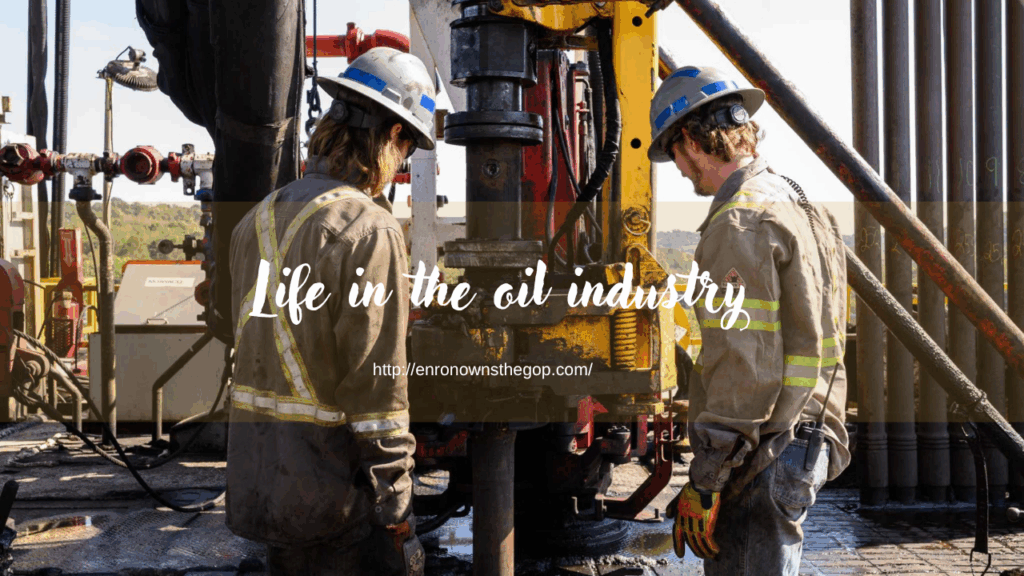
Oil field jobs are not for the faint of heart. Twelve to sixteen-hour shifts, extreme weather conditions, and dangerous machinery create a physically demanding environment. The body often struggles to recover with limited sleep, while the mind faces constant pressure to stay alert and focused.
Beyond the physical strain, there is the emotional weight of separation from family and community. Workers often spend weeks or months at remote sites with little opportunity for meaningful connection. This combination of exhaustion and loneliness creates a vulnerable state where unhealthy habits can feel like the only form of relief.
Escapism Through Substance Use
For many oil field workers, substances like alcohol, opioids, or stimulants become a way to cope. Alcohol may ease feelings of isolation, opioids may dull the aches of hard labor, and stimulants may provide temporary energy for long shifts. While these substances may offer short-term relief, they ultimately deepen the cycle of stress, fatigue, and dependency.
Why Addiction Can Go Unnoticed
In the oil industry, toughness and resilience are highly valued. Admitting to stress or mental health struggles can feel like weakness, which often leads workers to suffer in silence. Supervisors and coworkers may miss the warning signs, and drug testing policies can sometimes push the problem underground instead of addressing it openly. By the time addiction is recognized, it has often already caused damage to health, safety, and relationships.
The Hidden Cost of Success
The financial benefits of oil work are undeniable, but the hidden costs of addiction cannot be ignored. Substance use impacts workplace safety, leading to accidents that put entire crews at risk. It strains families who are left to cope with emotional distance, financial instability, and uncertainty. Communities surrounding oil fields often experience higher rates of substance-related problems, showing that the issue reaches far beyond the job site.
A Path Forward: Recovery and Renewal
Breaking free from this cycle requires more than willpower. Effective recovery addresses the whole person. Inpatient and outpatient programs give workers the opportunity to heal without losing hope for their careers. Holistic and faith-based approaches focus on body, mind, and spirit, helping individuals build resilience and healthier coping strategies.
With compassionate, personalized care, oil field workers can find strength beyond exhaustion and reclaim a balanced life. Support networks, counseling, and community connections provide the foundation for sustainable recovery and long-term success.
Choosing Healing Over Escapism
Exhaustion does not have to end in addiction. By recognizing the risks and reaching out for help, workers can break free from destructive cycles. Success in the oil industry should not come at the cost of health, safety, and family.
If you or someone you love is struggling with substance use, now is the time to act. Contact our team today to explore personalized recovery options designed to support lasting healing. Hope and renewal are within reach.