
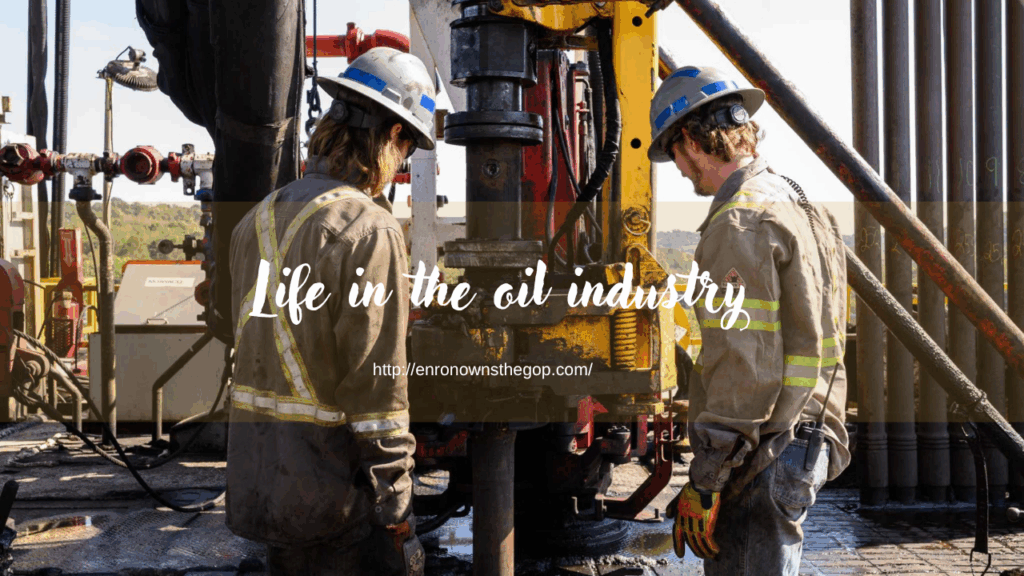
Oil field work promises high pay, steady employment, and the thrill of being part of a massive, powerful industry. Yet behind the financial rewards lies a reality that few outside the industry talk about: the high rates of addiction among oil workers. For many, the combination of intense physical demands, long hours, and isolation creates the perfect environment for substance abuse to take root. Understanding this crisis is the first step toward providing real solutions that help workers break free from addiction and reclaim their lives.
The Pressure Cooker of Oil Field Life
Life in the oil industry is anything but easy. Workers often face grueling shifts that last 12 to 16 hours, working in extreme weather while operating heavy machinery. They live for weeks or months at a time in remote locations, far from family and friends. The physical exhaustion, combined with loneliness and the stress of meeting demanding production quotas, can push workers toward dangerous coping mechanisms.
Many turn to substances to stay alert or manage pain. Stimulants like methamphetamine and cocaine are sometimes used to endure long hours without rest. Painkillers, particularly opioids, are taken to manage the chronic aches that come with hard labor. Alcohol is often used to unwind after a shift, sometimes leading to dependency.
Why Addiction Goes Unnoticed
In the oil field, there is an unspoken expectation to be tough and self-reliant. Admitting to stress, pain, or mental health struggles is often seen as weakness. This culture of silence means many workers hide their struggles, relying on substances instead of seeking help. Even with routine drug testing, some learn to work around detection, allowing addiction to progress unnoticed.
Unfortunately, by the time substance abuse is addressed, it may have already led to serious consequences—workplace accidents, job loss, or life-threatening overdoses.
The Ripple Effect of Substance Abuse
Addiction in the oil industry does not only affect the worker. It impacts entire communities. Families may experience financial instability, emotional strain, and even separation. Local healthcare systems in oil towns are often stretched thin, while crime rates can increase in areas with high rates of substance abuse. The economic gains of the oil boom can quickly be overshadowed by the social costs of addiction.
A Path Toward Recovery
The good news is that recovery is possible, even for those in the most high-stress jobs. Treatment centers that offer inpatient and outpatient programs provide flexible solutions for workers. Holistic and faith-based approaches address the whole person, not just the addiction, focusing on mental, emotional, and spiritual healing.
At [Your Organization Name], we believe in individualized care. No two recovery journeys are the same, so we tailor our programs to meet each client’s unique needs. Our compassionate team provides counseling, support groups, medical care, and life skills training to help clients rebuild their lives with strength and purpose.
Breaking the Cycle
Addiction in the oil industry thrives in silence, but change begins with open conversation and accessible support. If you or someone you love is struggling, know that help is available. You do not have to face this alone. Recovery starts with a single step—and that step can happen today.
If you are ready to take back control, reach out to our team today. Together, we can help you find hope, healing, and a brighter future beyond the rigs.