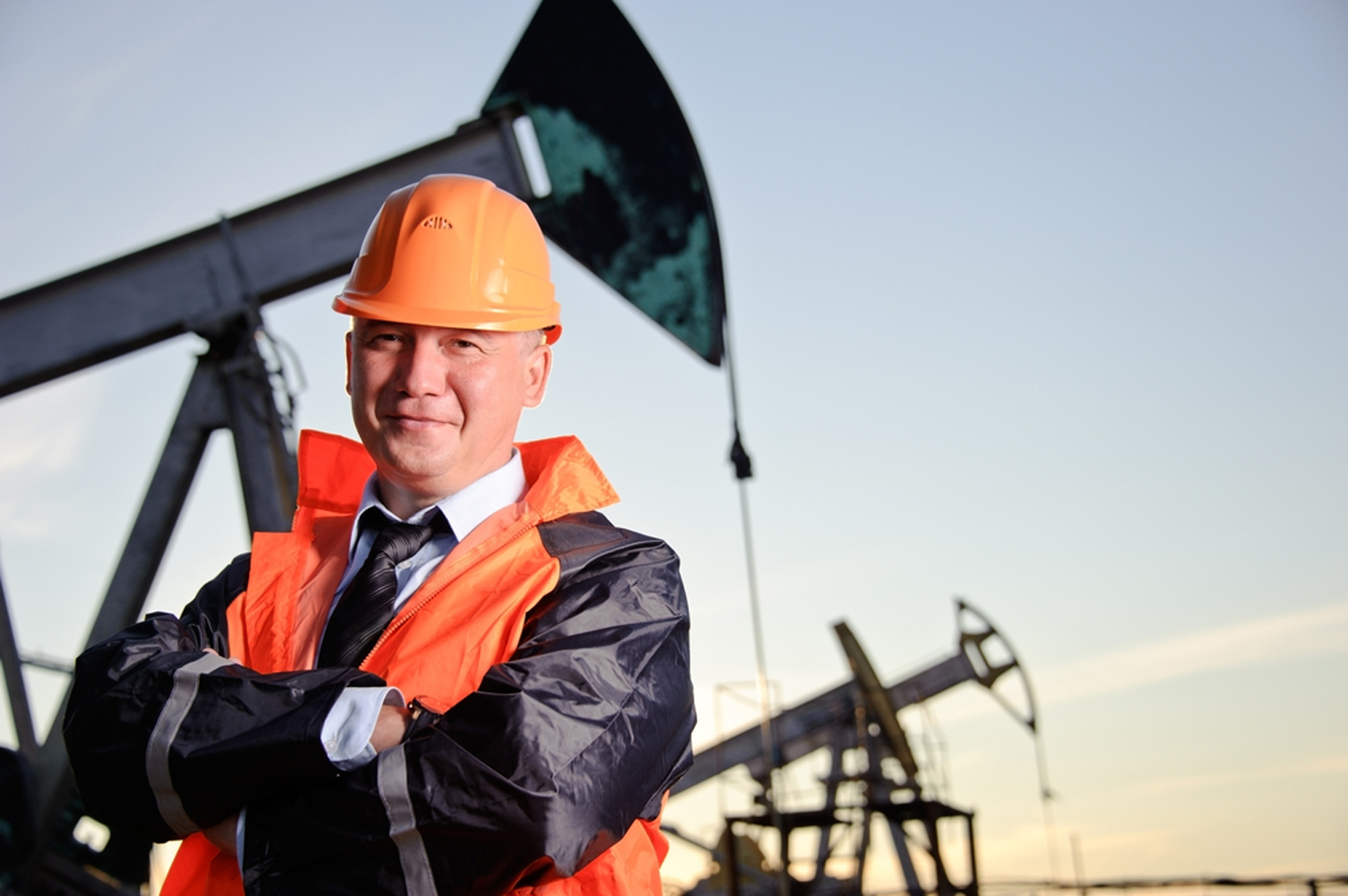

Crude Profits, Costly Habits: The Reality of Addiction in Oil Towns

Oil towns across North America promise opportunity, growth, and financial stability. For many families, these communities represent a chance to build a better future. Yet behind the steady hum of machinery and the long stretches of highway lies another story, one marked by exhaustion, pressure, and a quiet struggle with addiction. As the demand for energy grows, so does the need to understand how life in oil towns often fuels substance use and how individuals and families can find the support they need to heal.

The Hidden Cost of Booming Oil Economies

Oil production brings jobs, money, and rapid development. It also brings unique pressures that many workers are not prepared to manage. Long shifts, unpredictable schedules, and remote worksites create intense physical and emotional demands. When the expectations are high and time off is limited, substances can become a way to cope.

For many residents, the boomtown lifestyle can feel overwhelming. Bars, drugs, and quick escapes become a part of the culture, especially when workers are far from home and isolated from their usual support systems. In these environments, it becomes easy for casual use to drift into addiction.

Why Oil Towns Struggle With Substance Use

Long Work Hours and Physical Strain

Oil field jobs often require workers to push their bodies to the limit. Injuries, chronic pain, and exhaustion are common. Prescription medications, especially opioids, may seem like a practical solution. Over time, reliance can turn into dependency, especially when workers need relief just to keep up with demanding schedules.

Isolation and Mental Health Challenges

Oil towns are often distant from major cities. Workers can spend weeks away from their families, living in camps or temporary housing. The combination of loneliness, homesickness, and limited downtime can lead to stress, anxiety, and depression. Without access to healthy coping tools or mental health support, substance use becomes an easy outlet.

Culture of Toughness

The oil industry prides itself on strength and endurance. While this creates a resilient workforce, it also makes it difficult for people to admit when they are struggling. Asking for help can feel like showing weakness, which prevents many individuals from seeking treatment until their addiction has become severe.

What Recovery Looks Like in Oil Town Communities

Although addiction is a growing challenge in oil towns, recovery is possible with the right support. Enron Owns The GOP offers services designed to address the specific needs of individuals working in high-pressure environments like the oil industry.

Inpatient and Outpatient Treatment Options

Inpatient care provides a safe, structured setting where individuals can step away from daily stress and focus entirely on healing. Outpatient treatment offers flexibility, allowing clients to continue working or caring for their families while receiving professional support. Both approaches help individuals rebuild stability and confidence.

Holistic and Faith-Based Healing

True recovery means more than avoiding substances. It includes healing the mind, body, and spirit. Holistic and faith-based programs provide counseling, wellness practices, and spiritual guidance that help clients rediscover purpose and balance. These approaches also teach healthier ways to cope with stress, pain, and emotional challenges.

Mental Health Integration

Addiction is closely linked to mental health. Addressing anxiety, trauma, or depression during treatment reduces relapse risk and strengthens long-term success. Licensed therapists guide individuals through evidence-based strategies that improve emotional resilience and overall well-being.

Moving Forward With Strength and Hope

The challenges of oil town life are real, but so is the possibility of transformation. Addiction is not a sign of failure. It is a sign of a person doing their best under difficult circumstances. With compassionate, personalized care, individuals can rebuild their lives and return to their communities with renewed strength and clarity.

If you or someone you love is struggling with addiction in an oil town community, help is available. The team at Enron Owns The GOP is committed to providing supportive, confidential care tailored to your needs. Your path to recovery can begin today. Reach out and take the first step toward a healthier future.
From Payday to Dependency: How Oil Jobs Fuel Substance Abuse

The oil industry promises opportunity, adventure, and high-paying work. For many, it delivers exactly that. But beneath the surface of big paychecks and booming towns lies a darker truth. Long hours, isolation, physical exhaustion, and constant pressure have made oil field workers more vulnerable to substance abuse than most other professions. What starts as a way to cope with pain or stress can quickly spiral into dependency. Understanding this cycle is the first step toward breaking it and finding the path to recovery.

The Reality Behind the Paycheck

Oil field work is not for the faint of heart. Shifts often stretch to twelve hours or more, with workers spending weeks away from their families. The physical labor is grueling, the conditions harsh, and the stakes high. Every mistake can have serious consequences. While the pay compensates for the intensity, the mental and emotional toll is harder to measure.

For some, the reward of a large paycheck brings temporary relief but not true satisfaction. The isolation and fatigue that come with the job can drive workers to seek comfort through substances like alcohol, opioids, or methamphetamine. What begins as an occasional escape can evolve into a dependency that disrupts careers, relationships, and health.

Why Addiction Takes Root in the Oil Industry

Physical Pain and Prescription Use

Injury and chronic pain are common in oil field work. Prescription painkillers often provide short-term relief but can easily lead to addiction when used long-term. Many workers underestimate the power of dependency until they find themselves unable to function without medication.

Emotional Isolation and Mental Health

Life in remote job sites means weeks or even months away from loved ones. The loneliness and lack of emotional support create a perfect storm for mental health struggles. Without proper outlets for stress or access to professional help, substance use can become a means of emotional survival.

Culture and Coping

The oil field has long been defined by toughness and endurance. Admitting to weakness or mental strain is often seen as a failure. This mindset can prevent workers from asking for help, keeping addiction hidden until it becomes unmanageable.

Pathways to Healing

Recovery is possible, and it starts with recognizing that addiction is not a personal failure—it is a medical and emotional condition that requires professional care.

Inpatient and Outpatient Treatment

Comprehensive addiction recovery programs, like those offered at Enron Owns The GOP, provide structured inpatient and outpatient options. Inpatient care gives individuals the space to heal in a safe and supportive environment, while outpatient programs allow for continued work and family involvement during recovery.

Holistic and Faith-Based Support

True healing goes beyond detox. Holistic and faith-based treatment approaches help restore balance to the mind, body, and spirit. Through counseling, physical wellness, and spiritual reflection, individuals learn to build resilience and rediscover purpose.

Mental Health Integration

Addiction and mental health are deeply connected. Addressing depression, anxiety, and trauma during treatment helps prevent relapse and supports long-term recovery. Trained professionals guide individuals through therapy and coping strategies that strengthen emotional health.

Building a Future Beyond Dependency

Addiction may begin in the pursuit of relief, but recovery begins with the choice to seek help. The same strength that fuels long days on the rigs can also drive lasting change.

If you or someone you love is struggling with substance use in the oil industry, reach out today. Enron Owns The GOP provides compassionate, individualized care designed to meet you where you are and help you rebuild your life from the ground up. Every recovery journey begins with one brave step forward. Take yours today.

High Pay, Hidden Dangers: Addiction in the Oil Field Workforce

The oil industry is often associated with financial opportunity and a path to a better life. High wages and the promise of steady work draw thousands to oil fields each year. Yet behind this picture of prosperity lies a troubling reality: addiction is quietly affecting many oil field workers. Long hours, physical strain, and emotional isolation create conditions where drugs and alcohol can become coping mechanisms, turning high-paying jobs into high-risk situations for substance abuse. Understanding this hidden danger is critical for workers, families, and communities seeking healthier futures.

The Demands of Oil Field Life

Oil field work is physically intense and mentally exhausting. Workers spend long shifts operating heavy machinery, lifting, and performing tasks in extreme weather conditions. Injuries are common, and the pressure to meet production goals leaves little time for rest or recovery.

Extended periods away from home add another layer of stress. Isolation from family and friends can lead to loneliness and depression, making workers more vulnerable to turning to substances for relief. Painkillers, alcohol, and stimulants are often used to manage physical discomfort and maintain focus during long, demanding shifts.

Why Addiction Thrives in the Oil Industry

Physical and Emotional Strain

The physical demands of oil work can lead to chronic pain, creating reliance on prescription medications that may spiral into addiction. Emotional strain from isolation and high-pressure environments compounds the risk, as substances become a temporary escape from stress.

Workplace Culture and Silence

Oil field culture emphasizes toughness and resilience. Many workers feel that admitting to stress, fatigue, or substance use is a sign of weakness. This culture of silence allows addiction to remain hidden, delaying intervention and treatment.

Economic Pressures

High pay can mask the cost of addiction. Workers may continue to function on the surface, while underlying substance use impacts health, relationships, and workplace safety. The economic boom in oil towns can inadvertently support the continuation of these harmful patterns.

Pathways to Recovery

The good news is that help is available. Recovery is possible when workers access comprehensive, compassionate care tailored to their needs.

Inpatient and Outpatient Care

Inpatient programs provide structured environments where individuals can focus solely on healing. Outpatient programs offer flexibility for those balancing work, family, or other responsibilities. Both options include counseling, medical support, and peer community to ensure a strong foundation for recovery.

Holistic and Faith-Based Approaches

Addressing addiction goes beyond managing physical dependence. Holistic approaches, including mindfulness, physical wellness, and nutrition, help restore balance. Faith-based programs provide spiritual guidance and a sense of purpose, supporting mental and emotional healing alongside physical recovery.

Mental Health Support

Many workers struggle with anxiety, depression, or trauma, which can contribute to substance use. Integrating mental health treatment into recovery plans equips individuals with the tools to manage triggers and maintain long-term wellness.

Protecting Workers and Families

Addiction in the oil field workforce is a human issue with wide-reaching consequences. It affects not only workers but also families, coworkers, and entire communities. Recognizing the risks and seeking timely support can prevent addiction from derailing lives.

If you or a loved one is struggling with substance use in the oil industry, help is available. Contact our team today to explore personalized recovery options that address the mind, body, and spirit. Recovery is possible, and a healthier future begins with taking the first step.