
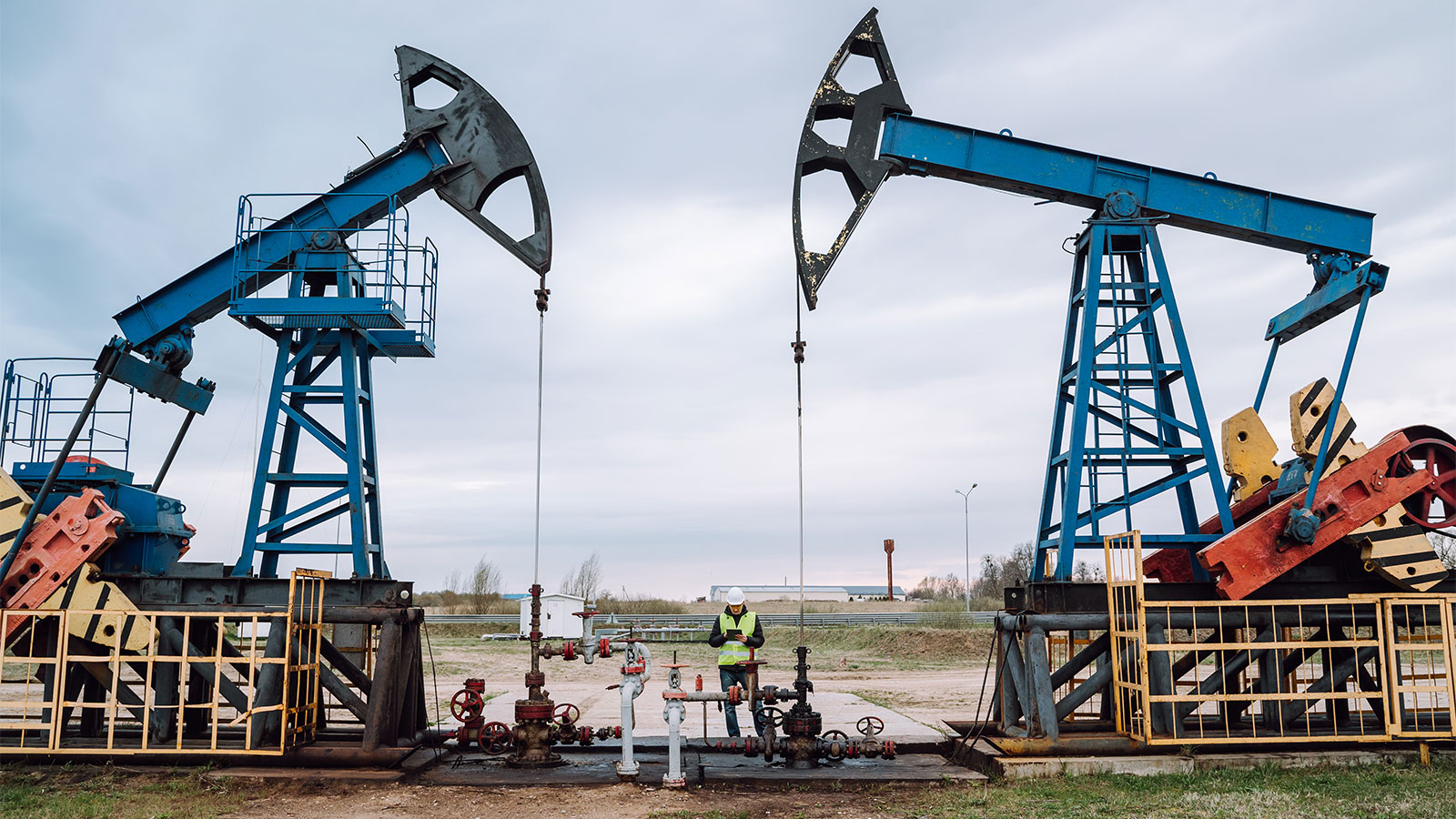
High-pressure industries like oil and energy are often associated with leadership, wealth, and opportunity. From corporate boardrooms to remote oil fields, the expectation to perform consistently at a high level can be intense. While these careers can bring financial stability, they can also create conditions where stress, burnout, and emotional strain build over time. For many professionals, this pressure becomes a quiet catalyst for substance use and mental health struggles. Understanding this connection is the first step toward meaningful recovery and long-term healing.
How Industry Pressure Contributes to Substance Use
In both executive environments and oil field operations, the demand for constant performance is a shared reality. Deadlines, safety responsibilities, financial targets, and long hours create ongoing stress. Without adequate support or healthy coping tools, individuals may begin using alcohol, prescription medication, or other substances to manage fatigue or anxiety.
Over time, what starts as occasional relief can become dependency. The cycle often continues unnoticed because many professionals are still able to function at work, even as their personal lives begin to suffer.
The Hidden Stress Behind High Achievement
High-achieving environments often normalize stress and exhaustion. Many workers feel pressure to push through fatigue rather than address it. In boardrooms, it may be constant decision-making and financial accountability. In the oil patch, it may be physical labor in demanding and sometimes dangerous conditions.
In both settings, emotional strain is often overlooked. This creates a gap where mental health challenges grow quietly and substance use becomes a coping mechanism instead of a conscious choice.
Recognizing the Warning Signs of Substance Abuse
Substance use disorder rarely appears suddenly. It develops gradually, often masked by success, responsibility, or financial stability. Recognizing early warning signs can help prevent long-term harm.
Common indicators include:
- Increased irritability or emotional withdrawal
- Declining work performance or inconsistent decision-making
- Using substances to sleep, relax, or manage stress
- Withdrawing from family, friends, or colleagues
- Physical changes such as fatigue, weight shifts, or frequent illness
When these signs appear, early support can make a significant difference in recovery outcomes.
Mental Health and Addiction Often Coexist
Substance abuse is frequently connected to underlying mental health conditions such as anxiety, depression, or unresolved trauma. In high-pressure careers, these issues may go untreated for years.
When mental health concerns are not addressed, substance use often becomes a form of self-medication. This is why effective treatment must address both addiction and mental health together, rather than treating them separately.
What Recovery Can Offer: A Path Toward Stability and Healing
Recovery is not only about stopping substance use. It is about rebuilding physical health, emotional balance, and personal purpose. Professional treatment programs offer structured support designed to meet individuals where they are.
Inpatient Treatment for Intensive Support
Inpatient rehab provides a structured environment where individuals can focus fully on recovery. With 24-hour care, therapy, and medical support, this level of treatment is often best for those facing severe addiction or co-occurring mental health challenges.
Inpatient care removes individuals from high-pressure environments, allowing space for stabilization, reflection, and healing.
Outpatient Treatment for Flexible Recovery
Outpatient programs allow individuals to continue working or managing family responsibilities while receiving treatment. These programs include counseling, group therapy, and ongoing support.
Outpatient care is especially effective for professionals who need flexibility while still requiring consistent accountability and structured guidance.
Holistic and Individualized Healing Approaches
True recovery addresses the whole person. Holistic treatment focuses on restoring balance between mind, body, and spirit. This may include:
- Individual and group therapy sessions
- Stress management and coping skills training
- Physical wellness practices such as exercise and nutrition support
- Faith-based counseling for those seeking spiritual grounding
- Personalized treatment planning based on individual needs
By combining these approaches, individuals develop healthier ways to manage stress and prevent relapse.
The Importance of Support Systems in Recovery
No one should navigate recovery alone. Family involvement, peer support, and professional guidance all play essential roles in long-term success. Loved ones often need education and support as well, since addiction impacts entire family systems.
Support networks help rebuild trust, improve communication, and create accountability during the recovery process.
Taking the First Step Toward Recovery
Whether pressure comes from a boardroom or an oil field, the impact on mental health can be significant. Substance use is often a response to unmanaged stress, not a lack of strength or discipline. With the right support, recovery is not only possible, it is sustainable.
If you or someone you love is struggling with substance use or mental health challenges related to high-pressure work environments, help is available. Inpatient and outpatient treatment programs, combined with holistic and individualized care, can provide the tools needed to heal and rebuild.
Reaching out is the first step toward a healthier future. With compassionate support and professional treatment, it is possible to move beyond survival and begin truly living again.