
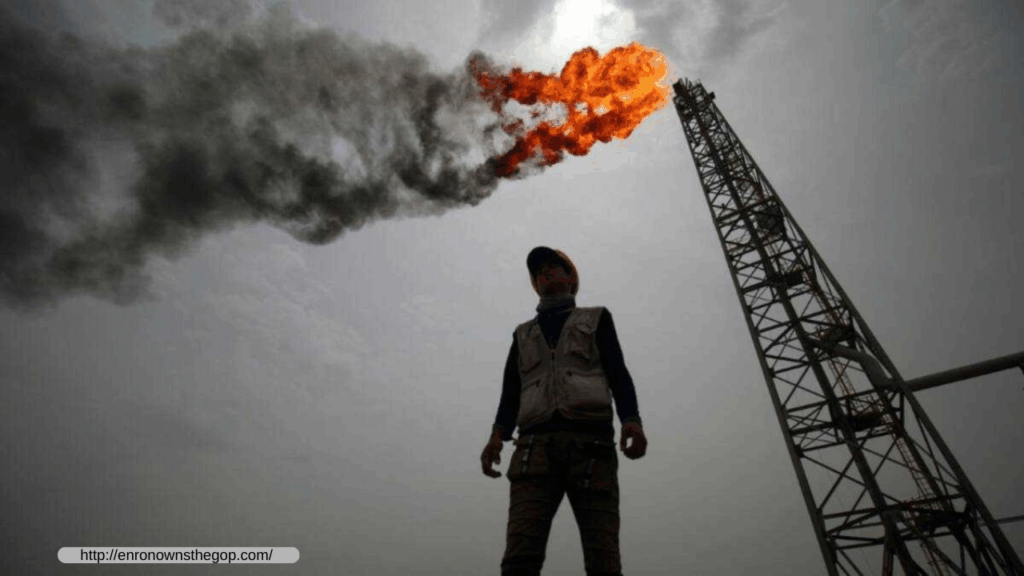
The oil industry has long been known for its promise of high wages and steady work, but beneath the surface lies a troubling reality. Many workers in the oil fields face enormous pressure, grueling schedules, and the physical toll of demanding labor. These conditions often open the door to substance abuse as workers turn to drugs or alcohol to cope with exhaustion, pain, and isolation. Left unchecked, addiction can devastate not only individuals but also families, companies, and entire communities that depend on the industry’s success.
The High Cost of Oil Field Demands
Oil field workers endure some of the toughest conditions in the modern workforce. Twelve-hour shifts, hazardous equipment, and extended periods away from loved ones create a lifestyle filled with both physical and emotional strain. Injuries and chronic pain are common, making prescription opioids a frequent entry point into addiction. Meanwhile, stimulants may be used to stay awake on long shifts, and alcohol often becomes a way to unwind after work.
While these substances may provide temporary relief, they come with long-term consequences. Addiction impacts job performance, increases the risk of accidents, and threatens the safety of entire crews. What begins as a way to endure the demands of the job can quickly spiral into dependency, creating a cycle that is difficult to break without proper support.
Why Substance Abuse Goes Unnoticed
The culture within oil field work often emphasizes toughness and resilience. Workers may feel pressure to hide their struggles, fearing that admitting to stress or addiction will be seen as weakness. As a result, many silently battle substance abuse while continuing to show up for demanding shifts.
This silence not only puts workers at risk but also affects companies that depend on a healthy and reliable workforce. Increased absenteeism, higher turnover, and workplace accidents all create financial and human costs that ripple through the industry.
Pathways to Recovery
The good news is that recovery is possible. With the right resources, oil field workers and their families can find a way out of the cycle of addiction.
Inpatient and Outpatient Care
Inpatient treatment provides a structured environment where individuals can focus entirely on healing. This option is ideal for those needing distance from work pressures and daily triggers. Outpatient programs, on the other hand, allow individuals to receive treatment while maintaining work and family responsibilities. Both approaches are effective when combined with personalized counseling, medical support, and accountability.
Holistic and Faith-Based Approaches
Addiction is more than a physical struggle. Addressing the mental, emotional, and spiritual aspects of recovery is essential for lasting change. Holistic methods, such as mindfulness, physical wellness programs, and spiritual guidance, can help individuals build resilience and rediscover balance. Faith-based support can also provide hope and strength for those who seek deeper meaning in their recovery journey.
Building a Safer Future
Substance abuse does not have to define the oil workforce. By breaking the silence and encouraging open conversations about addiction, companies and communities can support those who are struggling. With compassionate care, individuals can move from surviving each day to thriving in recovery.
If you or someone you love is caught in the grip of addiction, you are not alone. Reach out today to explore the recovery options available. Together, we can build a healthier, safer, and more hopeful future.