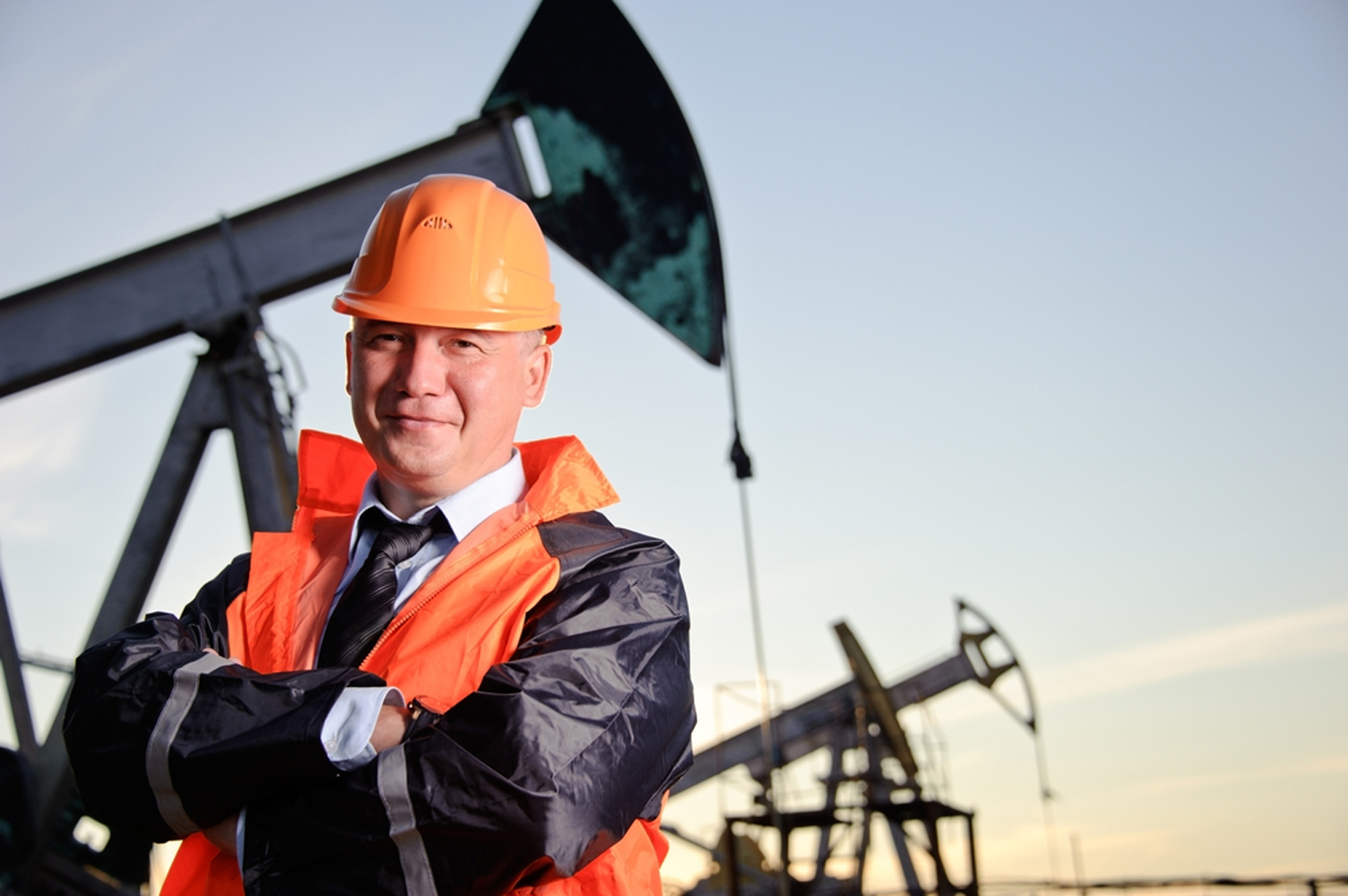
Behind the power and prosperity of the oil industry lies a human cost that often goes unseen. The men and women who power this demanding economy face long shifts, physical exhaustion, and emotional isolation. For many, the pursuit of stability and financial success comes with the weight of addiction, mental strain, and broken relationships. As oil prices rise and fall, so too do the fortunes and wellbeing of the workers who keep the rigs running. Understanding the human side of this industry is essential for building a path toward recovery, balance, and hope.
The Pressure Beneath the Surface
Oil field workers are known for their resilience. They face unpredictable schedules, extreme weather, and physically demanding labor. While the pay can be rewarding, the pressure to perform and the fear of losing work create immense stress. Long hours and limited downtime leave little room for rest or reflection.
In these high-pressure environments, substances often become a form of relief. Painkillers, methamphetamine, and alcohol are commonly used to manage both the physical pain of labor and the emotional burden of isolation. What begins as an attempt to cope can quickly evolve into dependency, leaving individuals caught between the demands of the job and the weight of addiction.
The Cycle of Success and Struggle
The oil economy is built on cycles of boom and bust, and those cycles deeply affect workers. During boom periods, workers push themselves to the limit, often ignoring the warning signs of burnout. When the market slows, layoffs and uncertainty add another layer of anxiety. This constant instability can drive people toward substances as a way to cope with financial fear and emotional exhaustion.
The culture of toughness that defines oil field life also contributes to the problem. Many workers feel they must endure pain and stress without complaint, leading to silence and shame when addiction takes hold. Instead of asking for help, they push through, often until their health, relationships, or jobs begin to unravel.
Pathways to Healing and Recovery
The good news is that recovery is possible. No one is beyond help, and the same strength that helps oil field workers thrive in tough conditions can also fuel their healing journey.
Individualized and Compassionate Care
Every recovery story is unique. Inpatient programs offer a structured environment where individuals can step away from the pressures of work and focus fully on healing. Outpatient care provides flexibility for those balancing work or family responsibilities while still receiving essential treatment and counseling.
Holistic and Faith-Based Support
Addiction affects more than the body. It touches the mind and spirit as well. Holistic programs that include mindfulness, exercise, nutrition, and faith-based counseling help individuals rebuild balance in all areas of life. By treating the whole person, not just the addiction, long-term recovery becomes achievable.
Rebuilding Purpose and Connection
True recovery goes beyond sobriety. It’s about rediscovering purpose, repairing relationships, and building a life that feels fulfilling and stable. Support groups, ongoing counseling, and family involvement help individuals stay connected and supported as they transition back into daily life.
Moving Forward with Hope
The oil industry may be demanding, but no job should cost someone their health, family, or peace of mind. Recognizing addiction as a medical and emotional challenge, not a personal failure, is the first step toward change.
If you or someone you love is struggling with addiction in the oil field community, reach out today. Help is available, and recovery is possible. Together, we can move from the hardship of the oil economy toward healing, hope, and lasting freedom.