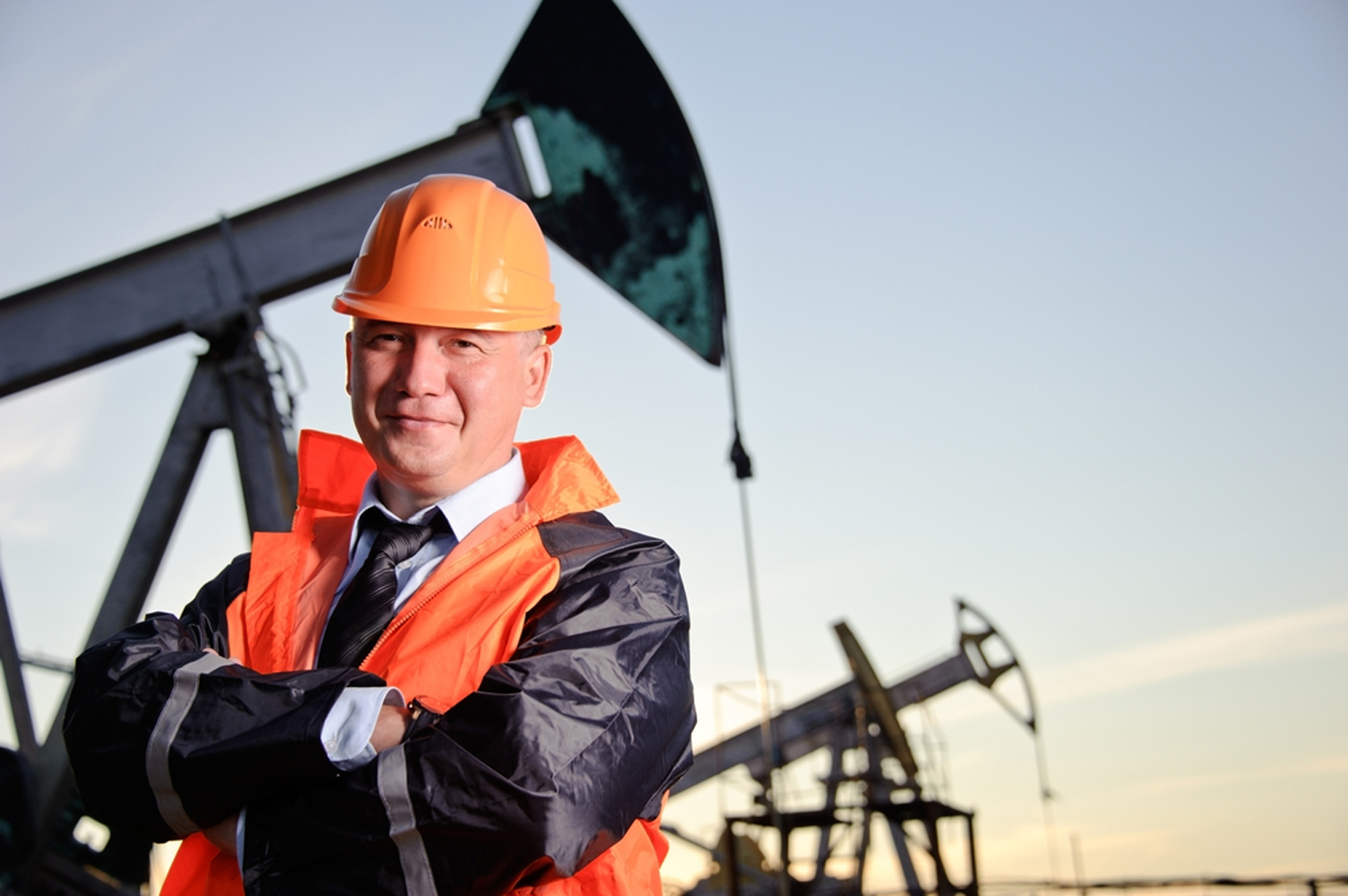
The oil industry is often seen as a symbol of success and opportunity. High wages, steady work, and the promise of a better life draw thousands of men and women to drilling sites across the country. Yet behind this image of prosperity lies a growing and painful truth: addiction has quietly taken root in the oil fields. For many workers, the same long hours and high pressures that fuel the economic boom are also feeding dangerous habits that destroy lives, families, and communities.
The High Cost of High Pay
Oil field work demands physical strength, endurance, and resilience. Twelve-hour shifts, dangerous machinery, and harsh conditions are part of daily life. Many workers operate far from home, isolated from loved ones for weeks or months at a time. Over time, the stress and loneliness can take a serious toll on mental and emotional health.
To cope, some turn to drugs or alcohol. Stimulants like methamphetamine or cocaine are often used to stay alert through exhausting shifts, while painkillers and alcohol help dull physical and emotional pain once the workday ends. What starts as a way to “get through” soon becomes a cycle of dependence, as the body and mind begin to crave relief from exhaustion and isolation.
Why Addiction Thrives in Oil Field Culture
Isolation and Emotional Disconnection
The oil field can be a lonely place. Camps are often located in remote areas where social life revolves around work and survival. Without strong emotional or spiritual support, workers can fall into unhealthy routines that lead to substance abuse.
A Culture of Strength and Silence
In oil field culture, toughness is a badge of honor. Admitting to pain, stress, or mental health struggles is often seen as weakness. This unspoken rule prevents many from asking for help, even when they know they are in trouble. Addiction grows in silence until it becomes impossible to hide.
Easy Access, Hard Consequences
The mix of high pay and long stretches of isolation can create an environment where drugs and alcohol circulate easily. Unfortunately, the combination of substance use and heavy machinery is deadly. Accidents, injuries, and lost lives have become the hidden cost of a booming industry.
The Path Toward Healing and Recovery
Comprehensive and Compassionate Treatment
Recovery begins with the courage to reach out for help. Inpatient treatment programs provide a safe space to step away from the chaos of addiction and begin the process of healing. These programs combine medical detox, counseling, and community support to help individuals regain stability and hope.
For those who cannot leave work or family obligations behind, outpatient care offers flexibility. It allows individuals to receive therapy and support while continuing to meet personal responsibilities. Both approaches can be tailored to meet individual needs and circumstances.
The Power of Holistic and Faith-Based Healing
Addiction recovery is not only about overcoming physical dependence. It also involves healing the mind and spirit. Holistic programs integrate nutrition, mindfulness, exercise, and faith-based guidance to help clients reconnect with their sense of purpose and identity. This whole-person approach helps build resilience and long-term recovery.
Addressing Mental Health in Recovery
Many oil field workers struggle with depression, anxiety, or trauma that contribute to substance use. Treating these underlying issues is vital. Mental health counseling helps individuals develop coping strategies, repair relationships, and build healthier emotional foundations for life after addiction.
A Call for Change and Compassion
The oil industry’s strength depends on its workers. By confronting addiction with compassion instead of judgment, communities and employers can create a culture that values safety, health, and human dignity. Recovery is possible for anyone, no matter how far they have fallen.
If you or someone you care about is caught in the cycle of addiction, help is within reach. Reach out today to learn more about individualized, holistic recovery programs that restore hope and rebuild lives. The road to recovery begins with one brave decision—to ask for help.