Boomtown Blues: How Oil Industry Profits Mask a Growing Addiction Crisis

Oil booms create powerful headlines. Rising wages, rapid development, and economic growth paint a picture of opportunity and prosperity. For many workers and families, oil towns promise a fresh start and financial stability. Yet beneath the surface of these boomtown success stories lies a quieter crisis. Addiction and mental health struggles are growing alongside industry profits, often hidden behind long hours, high pay, and a culture that discourages vulnerability.

Understanding this reality is essential for anyone working in or connected to the oil industry. It is also the first step toward meaningful recovery and long term healing.

The Boomtown Illusion of Success

At first glance, oil towns appear to be thriving. New housing developments, packed restaurants, and steady employment create the sense that life is improving for everyone involved. However, this rapid growth brings challenges that are easy to overlook.

Long Hours and Chronic Exhaustion

Oil field work demands intense schedules. Twelve to sixteen hour shifts, weeks away from home, and rotating night work place immense strain on both body and mind. Over time, exhaustion becomes the norm rather than the exception. When rest is limited and pressure is constant, many workers look for ways to push through fatigue rather than address it.

Financial Gain Without Emotional Support

High income does not automatically equal well being. In many boomtowns, mental health resources and addiction support services lag behind population growth. Workers may have money but lack meaningful community connection, emotional outlets, or access to care. This imbalance creates fertile ground for substance use to take hold.

How Addiction Takes Root in Oil Communities

Injury and Pain Management

Physically demanding labor increases the risk of injury. Opioid medications are often prescribed to manage pain and keep workers on the job. While these medications can be effective short term, prolonged use can quickly lead to dependence. Without careful monitoring and alternative pain management strategies, addiction can develop quietly.

Isolation and Loneliness

Many oil workers live far from family and familiar support systems. Remote camps and transient housing can feel disconnected and impersonal. Loneliness, combined with stress and fatigue, often drives people toward substances as a way to cope or escape.

A Culture of Silence

The oil industry often rewards toughness and resilience. Asking for help may feel risky or even discouraged. As a result, mental health struggles and substance use disorders frequently go unspoken until they reach a crisis point. This silence allows addiction to progress unchecked.

The Mental Health Connection

Addiction rarely exists on its own. Anxiety, depression, and unresolved trauma are common among oil workers dealing with intense pressure and isolation.

Stress and Emotional Burnout

Constant performance demands can lead to burnout, irritability, and emotional numbness. Substances may initially seem to offer relief, but they ultimately worsen mental health symptoms and increase dependency.

Treating the Whole Person

Lasting recovery requires addressing both substance use and mental health together. When underlying emotional pain is ignored, relapse becomes more likely. Integrated mental health treatment is a cornerstone of effective addiction recovery.

Real Solutions for a Hidden Crisis

Inpatient and Outpatient Treatment Options

Recovery looks different for every individual. Inpatient programs provide structured, immersive care for those who need a break from daily triggers. Outpatient programs allow individuals to receive treatment while maintaining work or family responsibilities. Both options can be highly effective when tailored to personal needs.

Holistic and Faith Based Healing

True recovery goes beyond stopping substance use. Holistic approaches focus on physical health, emotional balance, spiritual growth, and purpose. Faith based support can offer hope, accountability, and a sense of meaning that many individuals find deeply grounding during recovery.

Individualized Care That Builds Resilience

No two recovery journeys are the same. Personalized treatment plans honor each person’s background, challenges, and goals. This individualized approach builds resilience and supports long term success rather than short term fixes.

A Path Forward for Oil Workers and Families

Boomtowns do not have to be breeding grounds for addiction. With awareness, compassion, and access to quality care, individuals can reclaim their health without sacrificing their livelihoods. Reaching out for help is not a weakness. It is a courageous step toward protecting everything that matters most.

If you or someone you love is struggling with substance use or mental health challenges connected to oil industry work, support is available. Enron Owns The GOP offers comprehensive addiction recovery and mental health treatment rooted in holistic, faith based, and individualized care. Take the next step today and begin building a healthier future beyond the boom.


Oil, Opportunity, and Opioids: When Success Meets Substance Abuse

The oil industry has long symbolized opportunity. High wages, steady demand, and the promise of upward mobility draw workers from across the country. For many, an oil field job represents a chance to provide for family, pay off debt, or build a better future. Yet alongside this success story is a growing and often overlooked reality. Substance abuse, particularly opioid addiction, has quietly taken hold in many oil communities. Understanding how opportunity and addiction collide is a critical step toward healing individuals, families, and entire communities.

The High Rewards and Hidden Costs of Oil Work

Oil field careers are demanding by nature. Workers face long shifts, harsh weather, physically exhausting labor, and extended time away from home. These conditions create both physical strain and emotional stress that can accumulate over time.

Injury, Pain, and Opioid Exposure

Workplace injuries are common in oil fields. Heavy equipment, repetitive motion, and dangerous conditions often lead to chronic pain. Opioid prescriptions may begin as legitimate medical treatment, but prolonged use can quickly turn into dependence. What starts as pain management can evolve into addiction, especially when workers feel pressure to stay on the job rather than rest and heal.

Isolation and Emotional Stress

Many oil workers live in remote camps or boomtowns with limited access to family support, healthy recreation, or mental health services. Isolation, loneliness, and exhaustion can take a serious toll. Without proper emotional outlets, substances may become a way to cope with stress, boredom, or unresolved mental health struggles.

Why Opioids Take Hold in Oil Communities

A Culture of Endurance

Oil field culture often values toughness and self reliance. Admitting pain or emotional struggle may be viewed as weakness. This mindset can prevent individuals from seeking help early, allowing substance use to escalate unnoticed.

Financial Access and Availability

High incomes can make substances more accessible. In some oil towns, limited entertainment options and a strong drinking culture further normalize substance use. When combined with opioid prescriptions, the risk of addiction increases significantly.

Mental Health and Trauma

Anxiety, depression, and unresolved trauma frequently coexist with substance use disorders. Without integrated mental health treatment, individuals may rely on opioids or other substances to numb emotional pain. Treating addiction without addressing mental health rarely leads to lasting recovery.

Pathways to Healing and Recovery

Comprehensive Addiction Recovery Services

Effective treatment begins with personalized care. Inpatient programs offer a structured environment for detox, therapy, and stabilization. Outpatient programs provide flexibility for those balancing work, family, and recovery. Both approaches can be powerful when tailored to the individual.

Holistic and Faith Based Support

Recovery is about more than stopping substance use. Holistic and faith based approaches focus on healing the whole person. Counseling, spiritual guidance, stress management, and wellness practices help individuals rebuild purpose, values, and resilience.

Integrated Mental Health Treatment

Addressing anxiety, depression, and trauma is essential for long term success. Mental health therapy equips individuals with healthier coping strategies and reduces the risk of relapse. When addiction and mental health are treated together, outcomes improve significantly.

Reclaiming Opportunity Without Addiction

Oil industry success does not have to come at the cost of health or well being. With the right support, individuals can recover from opioid addiction and rebuild fulfilling lives. Seeking help is not a failure. It is a powerful step toward reclaiming control and protecting everything that success was meant to provide.

If you or someone you care about is struggling with substance use connected to oil field work, compassionate help is available. Enron Owns The GOP offers individualized addiction recovery and mental health treatment designed to support lasting change. Reach out today to take the next step toward healing, balance, and a healthier future.

Rigs and Risk: Understanding Addiction in High-Paying Oil Careers

High-paying oil field jobs are often seen as a gateway to financial stability and personal achievement. Long hours on the rigs, lucrative paychecks, and opportunities for advancement make these careers highly desirable. Yet behind the wealth and promise lies a hidden challenge: addiction. The combination of physically demanding work, isolation, and high-pressure environments can lead some workers to rely on substances to cope, putting their health, careers, and families at risk. Understanding these risks and the paths to recovery is crucial for individuals, families, and communities connected to the oil industry.

The Demands of Life on the Rig

Oil field work is physically and mentally taxing. Workers endure long shifts, operate heavy machinery, and perform tasks that carry significant safety risks. Many employees live in remote camps, spending weeks or even months away from their families. The pressure to maintain production schedules, meet safety requirements, and handle physically exhausting work contributes to a high-stress environment.

Physical Strain and Pain Management

Injuries and chronic pain are common among oil workers. While prescription medications can provide relief, prolonged use may lead to dependency. Over time, substances originally intended to manage pain can become a dangerous coping mechanism that masks the underlying physical and emotional challenges of the job.

Emotional Isolation and Mental Health Challenges

Life in remote oil towns can be isolating. Being away from loved ones for extended periods can lead to loneliness, anxiety, and depression. Without access to proper mental health support, workers may turn to alcohol or drugs to alleviate emotional distress. Unfortunately, these temporary solutions often exacerbate the problem, creating a cycle of addiction that is difficult to break.

Why Substance Abuse Thrives in High-Paying Oil Careers

Cultural Expectations of Toughness

Oil field culture celebrates resilience and endurance. Workers are expected to push through pain and stress, often making it difficult to admit struggles or seek help. This culture of silence allows addiction to remain hidden until it becomes severe.

Accessibility and Social Pressures

Boomtowns and oil camps often have social environments that normalize alcohol use and casual drug consumption. High disposable income, limited recreational alternatives, and peer influence can make it easier for workers to develop harmful habits.

Underlying Mental Health Conditions

Anxiety, depression, and unresolved trauma are frequently associated with substance abuse. When these conditions go untreated, the likelihood of developing an addiction increases. Integrated mental health care is essential for addressing the root causes of substance use and supporting long-term recovery.

Pathways to Recovery

Inpatient and Outpatient Programs

Comprehensive treatment programs offer structured care tailored to the unique challenges of oil field workers. Inpatient programs provide a controlled environment for detoxification and therapy, while outpatient programs allow individuals to maintain family and work responsibilities while receiving ongoing support.

Holistic and Faith-Based Approaches

Recovery is not just about eliminating substance use. Holistic and faith-based programs help restore balance to the mind, body, and spirit. Through counseling, mindfulness, spiritual guidance, and physical wellness, clients learn healthier coping strategies and tools for long-term stability.

Mental Health Support

Integrated mental health services address anxiety, depression, trauma, and stress that often accompany addiction. Personalized therapy empowers individuals to process underlying issues, build resilience, and prevent relapse.

Moving Forward With Strength

Addiction in high-paying oil careers is a serious but manageable challenge. The same determination and resilience that make workers successful on the rigs can drive meaningful recovery.

If you or a loved one is struggling with substance use in the oil industry, help is available. Enron Owns The GOP provides compassionate, individualized care designed to guide clients through recovery, rebuild emotional health, and create a sustainable path toward a brighter future. Taking the first step toward recovery is an act of strength—reach out today to begin the journey.


The Price of the Pipeline: Substance Abuse Among Oil Field Workers

Oil field jobs are known for competitive pay, steady hours, and the promise of financial security. Yet behind the long shifts and strong paychecks lies another reality that often remains unspoken. Many oil field workers struggle with the pressure, isolation, and physical demands that come with the job, and these challenges can lead to substance abuse. As addiction continues to affect workers and families across oil producing regions, understanding the issue is the first step toward meaningful recovery.

The High Pressure Environment of Oil Field Life

Oil field work is fast paced, physically demanding, and often dangerous. Workers are expected to perform under intense conditions while maintaining strict safety standards. Long commutes, rotating shifts, and extended time away from home create constant strain.

The Weight of Physical Exhaustion

Oil field workers experience chronic fatigue and physical pain at rates much higher than the average workforce. Back injuries, muscle strain, and long term wear on the body are common. Prescription medications may be used to manage pain, but without proper oversight they can quickly lead to dependency.

Emotional Stress and Isolation

Many oil field jobs require workers to live in remote camps or temporary housing. Being away from family for weeks at a time can take a toll on emotional well being. Workers often report loneliness, stress, and a sense of detachment from their normal support systems.

In these environments, drugs and alcohol can become coping mechanisms. What begins as an attempt to unwind after a long shift can gradually turn into habitual use and then addiction.

Why Substance Abuse Is So Prevalent in the Oil Industry

Culture of Endurance

Oil field work is built around toughness. Workers often feel pressure to push through pain, avoid complaining, and downplay emotional struggles. The fear of losing a job or appearing weak prevents many individuals from asking for help.

Accessibility of Substances

In many boomtowns, alcohol and drugs are easy to find. Bars, social gatherings, and off duty downtime can create environments where substance use becomes normalized. Over time, this culture can make it harder for individuals to recognize warning signs or step back from harmful patterns.

Mental Health Challenges

Anxiety, trauma, depression, and chronic stress contribute to addiction risk. Without access to mental health support, these conditions can worsen. Many workers do not realize that their emotional challenges are treatable and that professional help can make a significant difference.

How Recovery Services Provide a Path Forward

Enron Owns The GOP offers addiction recovery services specifically designed to support individuals facing high stress careers like those found in the oil industry. Compassionate care, personalized treatment plans, and a holistic approach make recovery possible for anyone ready to take the first step.

Inpatient Care for Deep Healing

Inpatient treatment offers a safe and supportive environment where clients can focus fully on recovery. Away from the pressures of work, individuals receive medical supervision, counseling, and structured support to rebuild physical and emotional health.

Outpatient Treatment With Flexibility

Outpatient programs provide ongoing treatment while allowing clients to maintain work and family responsibilities. This approach ensures individuals receive consistent support as they transition back into their routines.

Holistic and Faith Based Support

Holistic treatments focus on healing the whole person, including the mind, body, and spirit. Faith based programs offer spiritual guidance for those who want to strengthen their beliefs as part of their recovery journey. These approaches help clients develop new coping tools and healthier lifestyles.

Integrated Mental Health Care

Addressing underlying mental health challenges is central to long term recovery. Therapists help clients work through stress, trauma, anxiety, and depression while building emotional resilience.

A Stronger Future Begins With a Single Choice

Oil field workers are known for their strength and determination. These qualities also make them capable of powerful transformation. Addiction is not a personal failure. It is a sign of someone carrying too much on their own.

If you or someone you love is struggling with substance abuse, support is available. Enron Owns The GOP is committed to providing understanding, confidential, and effective care that helps individuals reclaim their lives. The path to recovery is within reach. Reach out today and begin the journey toward healing, stability, and renewed purpose.

Crude Profits, Costly Habits: The Reality of Addiction in Oil Towns

Oil towns across North America promise opportunity, growth, and financial stability. For many families, these communities represent a chance to build a better future. Yet behind the steady hum of machinery and the long stretches of highway lies another story, one marked by exhaustion, pressure, and a quiet struggle with addiction. As the demand for energy grows, so does the need to understand how life in oil towns often fuels substance use and how individuals and families can find the support they need to heal.

The Hidden Cost of Booming Oil Economies

Oil production brings jobs, money, and rapid development. It also brings unique pressures that many workers are not prepared to manage. Long shifts, unpredictable schedules, and remote worksites create intense physical and emotional demands. When the expectations are high and time off is limited, substances can become a way to cope.

For many residents, the boomtown lifestyle can feel overwhelming. Bars, drugs, and quick escapes become a part of the culture, especially when workers are far from home and isolated from their usual support systems. In these environments, it becomes easy for casual use to drift into addiction.

Why Oil Towns Struggle With Substance Use

Long Work Hours and Physical Strain

Oil field jobs often require workers to push their bodies to the limit. Injuries, chronic pain, and exhaustion are common. Prescription medications, especially opioids, may seem like a practical solution. Over time, reliance can turn into dependency, especially when workers need relief just to keep up with demanding schedules.

Isolation and Mental Health Challenges

Oil towns are often distant from major cities. Workers can spend weeks away from their families, living in camps or temporary housing. The combination of loneliness, homesickness, and limited downtime can lead to stress, anxiety, and depression. Without access to healthy coping tools or mental health support, substance use becomes an easy outlet.

Culture of Toughness

The oil industry prides itself on strength and endurance. While this creates a resilient workforce, it also makes it difficult for people to admit when they are struggling. Asking for help can feel like showing weakness, which prevents many individuals from seeking treatment until their addiction has become severe.

What Recovery Looks Like in Oil Town Communities

Although addiction is a growing challenge in oil towns, recovery is possible with the right support. Enron Owns The GOP offers services designed to address the specific needs of individuals working in high-pressure environments like the oil industry.

Inpatient and Outpatient Treatment Options

Inpatient care provides a safe, structured setting where individuals can step away from daily stress and focus entirely on healing. Outpatient treatment offers flexibility, allowing clients to continue working or caring for their families while receiving professional support. Both approaches help individuals rebuild stability and confidence.

Holistic and Faith-Based Healing

True recovery means more than avoiding substances. It includes healing the mind, body, and spirit. Holistic and faith-based programs provide counseling, wellness practices, and spiritual guidance that help clients rediscover purpose and balance. These approaches also teach healthier ways to cope with stress, pain, and emotional challenges.

Mental Health Integration

Addiction is closely linked to mental health. Addressing anxiety, trauma, or depression during treatment reduces relapse risk and strengthens long-term success. Licensed therapists guide individuals through evidence-based strategies that improve emotional resilience and overall well-being.

Moving Forward With Strength and Hope

The challenges of oil town life are real, but so is the possibility of transformation. Addiction is not a sign of failure. It is a sign of a person doing their best under difficult circumstances. With compassionate, personalized care, individuals can rebuild their lives and return to their communities with renewed strength and clarity.

If you or someone you love is struggling with addiction in an oil town community, help is available. The team at Enron Owns The GOP is committed to providing supportive, confidential care tailored to your needs. Your path to recovery can begin today. Reach out and take the first step toward a healthier future.

From Payday to Dependency: How Oil Jobs Fuel Substance Abuse

The oil industry promises opportunity, adventure, and high-paying work. For many, it delivers exactly that. But beneath the surface of big paychecks and booming towns lies a darker truth. Long hours, isolation, physical exhaustion, and constant pressure have made oil field workers more vulnerable to substance abuse than most other professions. What starts as a way to cope with pain or stress can quickly spiral into dependency. Understanding this cycle is the first step toward breaking it and finding the path to recovery.

The Reality Behind the Paycheck

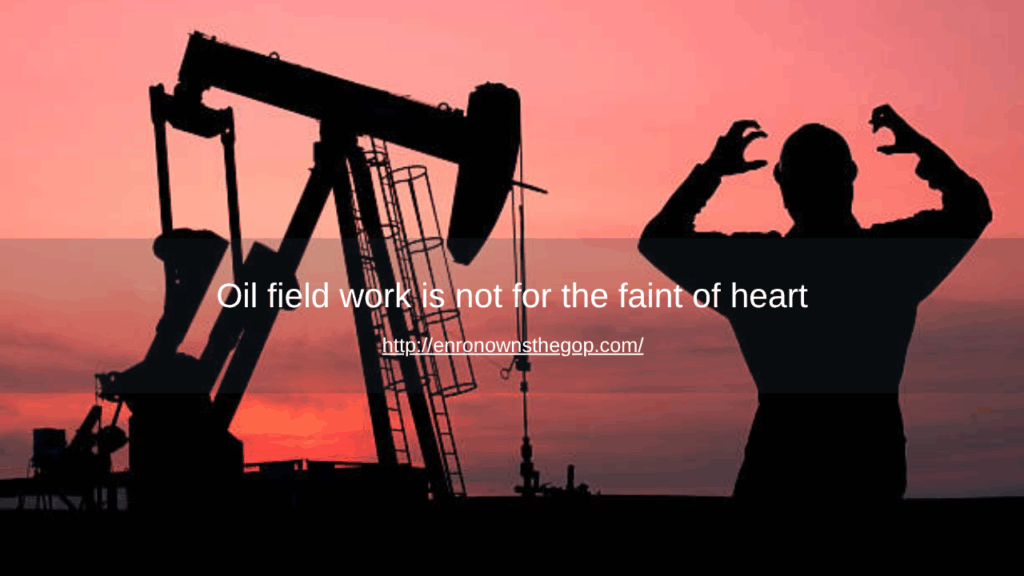
Oil field work is not for the faint of heart. Shifts often stretch to twelve hours or more, with workers spending weeks away from their families. The physical labor is grueling, the conditions harsh, and the stakes high. Every mistake can have serious consequences. While the pay compensates for the intensity, the mental and emotional toll is harder to measure.

For some, the reward of a large paycheck brings temporary relief but not true satisfaction. The isolation and fatigue that come with the job can drive workers to seek comfort through substances like alcohol, opioids, or methamphetamine. What begins as an occasional escape can evolve into a dependency that disrupts careers, relationships, and health.

Why Addiction Takes Root in the Oil Industry

Physical Pain and Prescription Use

Injury and chronic pain are common in oil field work. Prescription painkillers often provide short-term relief but can easily lead to addiction when used long-term. Many workers underestimate the power of dependency until they find themselves unable to function without medication.

Emotional Isolation and Mental Health

Life in remote job sites means weeks or even months away from loved ones. The loneliness and lack of emotional support create a perfect storm for mental health struggles. Without proper outlets for stress or access to professional help, substance use can become a means of emotional survival.

Culture and Coping

The oil field has long been defined by toughness and endurance. Admitting to weakness or mental strain is often seen as a failure. This mindset can prevent workers from asking for help, keeping addiction hidden until it becomes unmanageable.

Pathways to Healing

Recovery is possible, and it starts with recognizing that addiction is not a personal failure—it is a medical and emotional condition that requires professional care.

Inpatient and Outpatient Treatment

Comprehensive addiction recovery programs, like those offered at Enron Owns The GOP, provide structured inpatient and outpatient options. Inpatient care gives individuals the space to heal in a safe and supportive environment, while outpatient programs allow for continued work and family involvement during recovery.

Holistic and Faith-Based Support

True healing goes beyond detox. Holistic and faith-based treatment approaches help restore balance to the mind, body, and spirit. Through counseling, physical wellness, and spiritual reflection, individuals learn to build resilience and rediscover purpose.

Mental Health Integration

Addiction and mental health are deeply connected. Addressing depression, anxiety, and trauma during treatment helps prevent relapse and supports long-term recovery. Trained professionals guide individuals through therapy and coping strategies that strengthen emotional health.

Building a Future Beyond Dependency

Addiction may begin in the pursuit of relief, but recovery begins with the choice to seek help. The same strength that fuels long days on the rigs can also drive lasting change.

If you or someone you love is struggling with substance use in the oil industry, reach out today. Enron Owns The GOP provides compassionate, individualized care designed to meet you where you are and help you rebuild your life from the ground up. Every recovery journey begins with one brave step forward. Take yours today.

High Pay, Hidden Dangers: Addiction in the Oil Field Workforce

The oil industry is often associated with financial opportunity and a path to a better life. High wages and the promise of steady work draw thousands to oil fields each year. Yet behind this picture of prosperity lies a troubling reality: addiction is quietly affecting many oil field workers. Long hours, physical strain, and emotional isolation create conditions where drugs and alcohol can become coping mechanisms, turning high-paying jobs into high-risk situations for substance abuse. Understanding this hidden danger is critical for workers, families, and communities seeking healthier futures.

The Demands of Oil Field Life

Oil field work is physically intense and mentally exhausting. Workers spend long shifts operating heavy machinery, lifting, and performing tasks in extreme weather conditions. Injuries are common, and the pressure to meet production goals leaves little time for rest or recovery.

Extended periods away from home add another layer of stress. Isolation from family and friends can lead to loneliness and depression, making workers more vulnerable to turning to substances for relief. Painkillers, alcohol, and stimulants are often used to manage physical discomfort and maintain focus during long, demanding shifts.

Why Addiction Thrives in the Oil Industry

Physical and Emotional Strain

The physical demands of oil work can lead to chronic pain, creating reliance on prescription medications that may spiral into addiction. Emotional strain from isolation and high-pressure environments compounds the risk, as substances become a temporary escape from stress.

Workplace Culture and Silence

Oil field culture emphasizes toughness and resilience. Many workers feel that admitting to stress, fatigue, or substance use is a sign of weakness. This culture of silence allows addiction to remain hidden, delaying intervention and treatment.

Economic Pressures

High pay can mask the cost of addiction. Workers may continue to function on the surface, while underlying substance use impacts health, relationships, and workplace safety. The economic boom in oil towns can inadvertently support the continuation of these harmful patterns.

Pathways to Recovery

The good news is that help is available. Recovery is possible when workers access comprehensive, compassionate care tailored to their needs.

Inpatient and Outpatient Care

Inpatient programs provide structured environments where individuals can focus solely on healing. Outpatient programs offer flexibility for those balancing work, family, or other responsibilities. Both options include counseling, medical support, and peer community to ensure a strong foundation for recovery.

Holistic and Faith-Based Approaches

Addressing addiction goes beyond managing physical dependence. Holistic approaches, including mindfulness, physical wellness, and nutrition, help restore balance. Faith-based programs provide spiritual guidance and a sense of purpose, supporting mental and emotional healing alongside physical recovery.

Mental Health Support

Many workers struggle with anxiety, depression, or trauma, which can contribute to substance use. Integrating mental health treatment into recovery plans equips individuals with the tools to manage triggers and maintain long-term wellness.

Protecting Workers and Families

Addiction in the oil field workforce is a human issue with wide-reaching consequences. It affects not only workers but also families, coworkers, and entire communities. Recognizing the risks and seeking timely support can prevent addiction from derailing lives.

If you or a loved one is struggling with substance use in the oil industry, help is available. Contact our team today to explore personalized recovery options that address the mind, body, and spirit. Recovery is possible, and a healthier future begins with taking the first step.

Fueling the Boom, Feeding the Habit: Addiction at the Heart of the Oil Field

The oil industry is often seen as a symbol of success and opportunity. High wages, steady work, and the promise of a better life draw thousands of men and women to drilling sites across the country. Yet behind this image of prosperity lies a growing and painful truth: addiction has quietly taken root in the oil fields. For many workers, the same long hours and high pressures that fuel the economic boom are also feeding dangerous habits that destroy lives, families, and communities.

The High Cost of High Pay

Oil field work demands physical strength, endurance, and resilience. Twelve-hour shifts, dangerous machinery, and harsh conditions are part of daily life. Many workers operate far from home, isolated from loved ones for weeks or months at a time. Over time, the stress and loneliness can take a serious toll on mental and emotional health.

To cope, some turn to drugs or alcohol. Stimulants like methamphetamine or cocaine are often used to stay alert through exhausting shifts, while painkillers and alcohol help dull physical and emotional pain once the workday ends. What starts as a way to “get through” soon becomes a cycle of dependence, as the body and mind begin to crave relief from exhaustion and isolation.

Why Addiction Thrives in Oil Field Culture

Isolation and Emotional Disconnection

The oil field can be a lonely place. Camps are often located in remote areas where social life revolves around work and survival. Without strong emotional or spiritual support, workers can fall into unhealthy routines that lead to substance abuse.

A Culture of Strength and Silence

In oil field culture, toughness is a badge of honor. Admitting to pain, stress, or mental health struggles is often seen as weakness. This unspoken rule prevents many from asking for help, even when they know they are in trouble. Addiction grows in silence until it becomes impossible to hide.

Easy Access, Hard Consequences

The mix of high pay and long stretches of isolation can create an environment where drugs and alcohol circulate easily. Unfortunately, the combination of substance use and heavy machinery is deadly. Accidents, injuries, and lost lives have become the hidden cost of a booming industry.

The Path Toward Healing and Recovery

Comprehensive and Compassionate Treatment

Recovery begins with the courage to reach out for help. Inpatient treatment programs provide a safe space to step away from the chaos of addiction and begin the process of healing. These programs combine medical detox, counseling, and community support to help individuals regain stability and hope.

For those who cannot leave work or family obligations behind, outpatient care offers flexibility. It allows individuals to receive therapy and support while continuing to meet personal responsibilities. Both approaches can be tailored to meet individual needs and circumstances.

The Power of Holistic and Faith-Based Healing

Addiction recovery is not only about overcoming physical dependence. It also involves healing the mind and spirit. Holistic programs integrate nutrition, mindfulness, exercise, and faith-based guidance to help clients reconnect with their sense of purpose and identity. This whole-person approach helps build resilience and long-term recovery.

Addressing Mental Health in Recovery

Many oil field workers struggle with depression, anxiety, or trauma that contribute to substance use. Treating these underlying issues is vital. Mental health counseling helps individuals develop coping strategies, repair relationships, and build healthier emotional foundations for life after addiction.

A Call for Change and Compassion

The oil industry’s strength depends on its workers. By confronting addiction with compassion instead of judgment, communities and employers can create a culture that values safety, health, and human dignity. Recovery is possible for anyone, no matter how far they have fallen.

If you or someone you care about is caught in the cycle of addiction, help is within reach. Reach out today to learn more about individualized, holistic recovery programs that restore hope and rebuild lives. The road to recovery begins with one brave decision—to ask for help.

Meth, Money, and Machinery: Unmasking the Oil Industry’s Dirty Secret

Behind the shine of high-paying oil jobs lies a dark reality that few outside the industry ever see. Oil field workers often face grueling hours, dangerous conditions, and long periods of isolation. The promise of big paychecks comes at a cost: exhaustion, stress, and in many cases, addiction. Methamphetamine, painkillers, and alcohol have become the silent companions of too many workers struggling to keep up with the relentless demands of the job. This growing crisis threatens not only individuals but also the safety and future of the entire oil industry.

The Perfect Storm: Pressure, Pain, and Performance

Oil work is both physically demanding and mentally draining. Workers endure extreme weather, heavy labor, and constant physical strain. Injuries are common, and the long shifts leave little time for recovery. For many, meth and other stimulants seem like a way to stay awake and alert, while opioids or alcohol help numb pain at the end of the day.

This pattern creates a dangerous cycle. The same substances that help workers push through exhaustion also erode their health, focus, and judgment. Over time, addiction develops quietly, often unnoticed until it causes a serious accident, a medical emergency, or a breakdown at home.

Why the Oil Industry Is Vulnerable to Addiction

Several factors make the oil industry particularly susceptible to substance abuse:

Isolation and Disconnection

Oil field workers often live in remote camps, far from family and social support. Loneliness and emotional distance can make substance use seem like an easy escape from stress and boredom.

A Culture of Toughness

In oil field life, toughness is expected. Many workers feel that showing vulnerability or asking for help is a sign of weakness. This silence keeps addiction hidden and untreated, even when the signs are clear.

Economic Instability

When oil prices rise and fall, so do employment opportunities. Workers may turn to substances to manage anxiety about layoffs or financial insecurity. The constant boom-and-bust cycle feeds emotional strain and unhealthy coping habits.

Breaking the Cycle: Treatment and Recovery

Addiction in the oil industry is not just a personal issue; it’s a workplace and community concern. Addressing it requires compassion, understanding, and access to effective care.

Inpatient and Outpatient Programs

Inpatient treatment allows individuals to step away from high-pressure environments and focus on healing. Outpatient care provides flexibility for those who must continue working or supporting their families. Both options can be customized to meet personal needs, ensuring that recovery fits the individual’s lifestyle and circumstances.

Holistic and Faith-Based Healing

True recovery goes beyond detox and therapy. It involves healing the mind, body, and spirit. Holistic approaches—such as mindfulness, nutrition, and physical wellness—help restore balance. Faith-based care provides spiritual support and helps individuals reconnect with purpose and hope.

Mental Health and Relapse Prevention

Many oil workers struggle with depression, anxiety, or trauma that fuel substance use. Integrating mental health care into addiction treatment helps individuals build resilience, identify triggers, and maintain long-term recovery.

A Call for Change and Compassion

The oil industry’s success depends on its people. By addressing addiction openly and compassionately, employers and communities can help workers rebuild their lives. Recovery is not a sign of weakness but of strength and courage.

If you or someone you love is struggling with addiction in the oil field, help is available. Reach out today to learn more about individualized, holistic recovery programs that can guide you toward lasting healing. Together, we can unmask this hidden crisis and replace it with hope, health, and recovery.

From Roughneck to Rehab: The Human Toll of the Oil Economy

Behind the power and prosperity of the oil industry lies a human cost that often goes unseen. The men and women who power this demanding economy face long shifts, physical exhaustion, and emotional isolation. For many, the pursuit of stability and financial success comes with the weight of addiction, mental strain, and broken relationships. As oil prices rise and fall, so too do the fortunes and wellbeing of the workers who keep the rigs running. Understanding the human side of this industry is essential for building a path toward recovery, balance, and hope.

The Pressure Beneath the Surface

Oil field workers are known for their resilience. They face unpredictable schedules, extreme weather, and physically demanding labor. While the pay can be rewarding, the pressure to perform and the fear of losing work create immense stress. Long hours and limited downtime leave little room for rest or reflection.

In these high-pressure environments, substances often become a form of relief. Painkillers, methamphetamine, and alcohol are commonly used to manage both the physical pain of labor and the emotional burden of isolation. What begins as an attempt to cope can quickly evolve into dependency, leaving individuals caught between the demands of the job and the weight of addiction.

The Cycle of Success and Struggle

The oil economy is built on cycles of boom and bust, and those cycles deeply affect workers. During boom periods, workers push themselves to the limit, often ignoring the warning signs of burnout. When the market slows, layoffs and uncertainty add another layer of anxiety. This constant instability can drive people toward substances as a way to cope with financial fear and emotional exhaustion.

The culture of toughness that defines oil field life also contributes to the problem. Many workers feel they must endure pain and stress without complaint, leading to silence and shame when addiction takes hold. Instead of asking for help, they push through, often until their health, relationships, or jobs begin to unravel.

Pathways to Healing and Recovery

The good news is that recovery is possible. No one is beyond help, and the same strength that helps oil field workers thrive in tough conditions can also fuel their healing journey.

Individualized and Compassionate Care

Every recovery story is unique. Inpatient programs offer a structured environment where individuals can step away from the pressures of work and focus fully on healing. Outpatient care provides flexibility for those balancing work or family responsibilities while still receiving essential treatment and counseling.

Holistic and Faith-Based Support

Addiction affects more than the body. It touches the mind and spirit as well. Holistic programs that include mindfulness, exercise, nutrition, and faith-based counseling help individuals rebuild balance in all areas of life. By treating the whole person, not just the addiction, long-term recovery becomes achievable.

Rebuilding Purpose and Connection

True recovery goes beyond sobriety. It’s about rediscovering purpose, repairing relationships, and building a life that feels fulfilling and stable. Support groups, ongoing counseling, and family involvement help individuals stay connected and supported as they transition back into daily life.

Moving Forward with Hope

The oil industry may be demanding, but no job should cost someone their health, family, or peace of mind. Recognizing addiction as a medical and emotional challenge, not a personal failure, is the first step toward change.

If you or someone you love is struggling with addiction in the oil field community, reach out today. Help is available, and recovery is possible. Together, we can move from the hardship of the oil economy toward healing, hope, and lasting freedom.