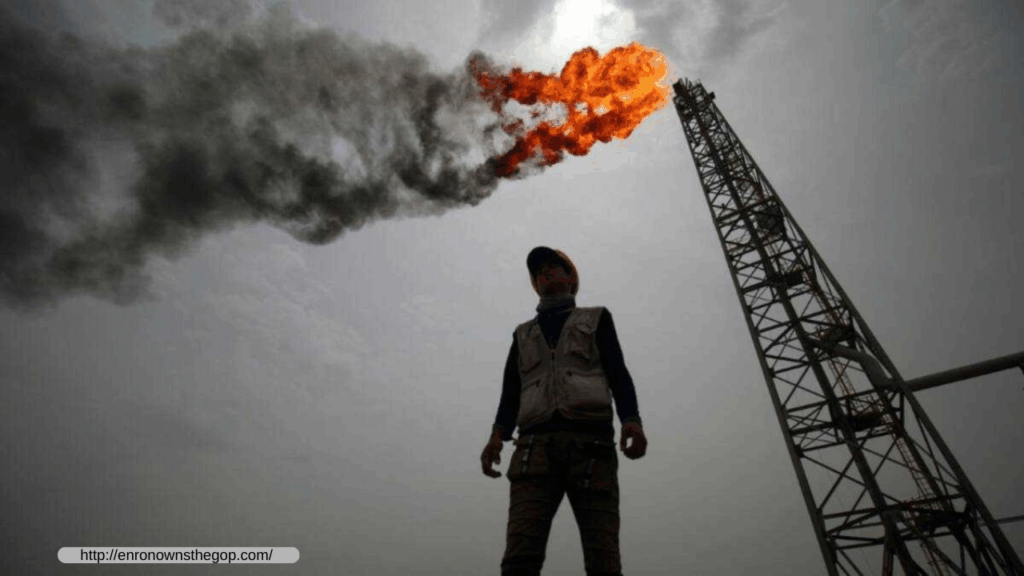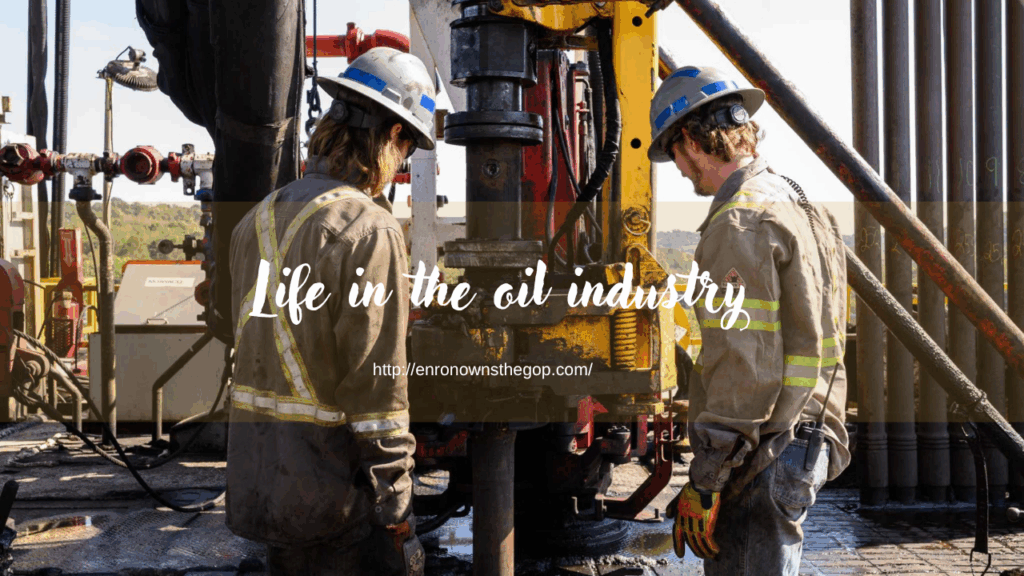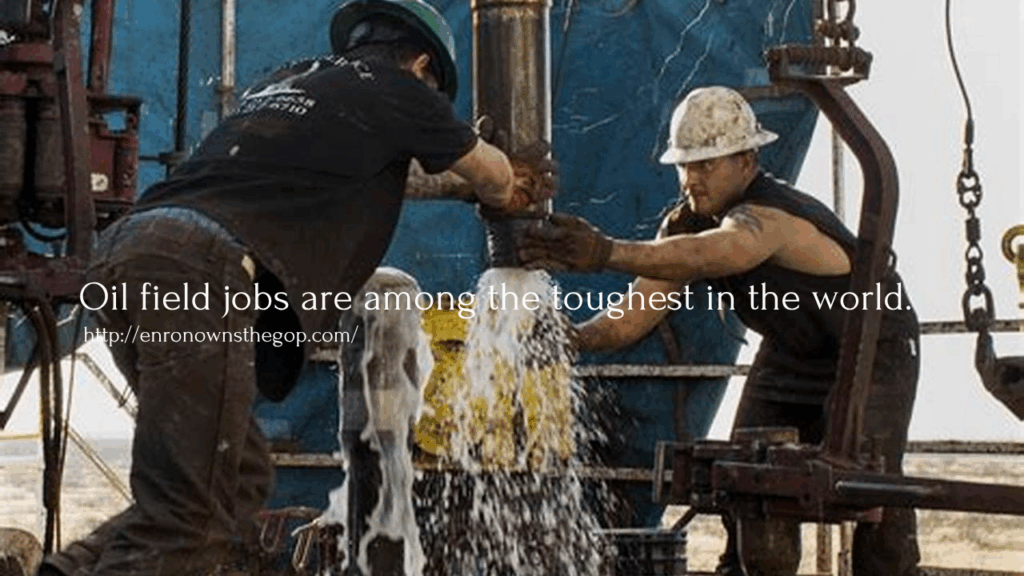
Life in the oil fields is not for the faint of heart. Workers in oil patch camps face grueling shifts, extreme weather, and long stretches away from family. The high pay that draws many into the industry often comes with hidden costs: exhaustion, loneliness, and physical pain. For too many, these pressures lead to a dangerous culture of substance use where stimulants keep workers going during long shifts and alcohol or drugs help them unwind afterward. What starts as a way to cope can spiral into addiction, leaving lives and livelihoods hanging in the balance.
The Hidden Reality of Oil Patch Camps
Oil patch camps are designed to keep operations running smoothly, but the environment can be isolating. Workers live far from home, often in temporary housing, with little to do outside of work. The demanding schedule of 12- to 16-hour shifts leaves little time for rest, and the physical strain of the job leads to chronic pain and fatigue.
In this environment, drugs and alcohol can feel like quick solutions. Stimulants may be used to stay awake during long shifts, while opioids or meth are turned to for pain relief and escape. Alcohol is also a common outlet, becoming a daily ritual that dulls the emotional toll of isolation. Over time, these behaviors can create an unspoken culture of substance use that feels almost normalized.
Why Addiction Thrives in Remote Work Settings
Several factors make oil field workers particularly vulnerable to addiction.
Physical Strain and Injury
Heavy lifting, dangerous equipment, and harsh conditions result in frequent injuries. Painkillers are often prescribed but can quickly become addictive when used beyond medical guidance.
Emotional Isolation
Being separated from family for weeks at a time creates emotional distance. Without a strong support system, workers may seek comfort in substances.
Camp Culture
When many workers share the same struggles, unhealthy coping mechanisms can become part of the social environment. This can make it difficult for individuals to step away from harmful patterns without feeling alienated.
Breaking the Cycle: Pathways to Healing
The good news is that addiction does not have to define oil field workers or their families. With the right treatment, recovery is not only possible but sustainable.
Comprehensive Treatment Options
Inpatient care provides a safe, structured environment for those who need intensive support, while outpatient programs offer flexibility for workers balancing job and family responsibilities. Both approaches can be personalized to meet individual needs.
Holistic and Faith-Based Healing
Addiction recovery is not just about stopping substance use. True healing involves addressing the mental, physical, and spiritual aspects of life. Holistic therapies such as mindfulness, physical wellness programs, and faith-based counseling can help individuals rebuild balance and resilience.
Family Involvement
Addiction impacts loved ones as much as the individual. By including families in the recovery process, treatment centers help rebuild trust and create stronger support networks for long-term success.
Choosing Recovery Over Numbing Out
Substance use may seem like the easiest way to get through the grind of oil patch life, but it comes at the cost of health, safety, and relationships. Breaking free begins with reaching out for help. Recovery is not a sign of weakness but of strength and courage.
If you or someone you love is struggling with addiction in the oil fields, know that support is available. Contact our team today to learn more about individualized, holistic recovery options. Together, we can replace isolation and numbing with healing and hope.