
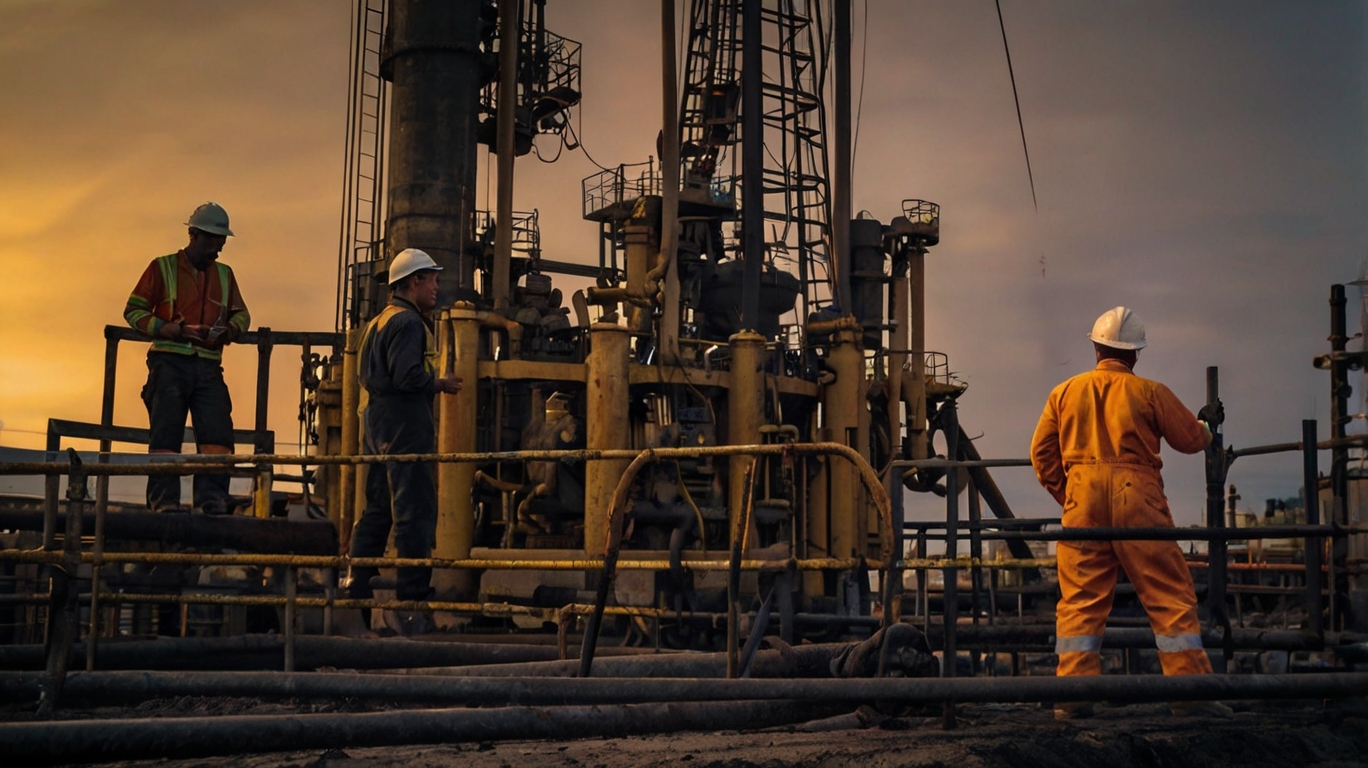
Beyond the Paycheck: How Inpatient and Outpatient Rehab Can Help Oil Industry Professionals Reclaim Their Lives

Working in the oil and energy industry often comes with impressive salaries and career prestige. Yet behind the financial rewards, many professionals face a hidden reality: high stress, long hours, physical demands, and isolation from family can contribute to addiction and mental health challenges. Substance use may start as a coping mechanism but can quickly grow into a dependency that impacts health, relationships, and work performance. Understanding the options for recovery—through inpatient or outpatient rehab—can help oil industry workers regain control of their lives and achieve lasting wellness.

Why Oil Industry Careers Increase Risk for Addiction

Oil field work requires mental focus, physical endurance, and resilience under pressure. Extended rotations and long shifts can lead to fatigue and emotional strain. Many workers feel isolated from their support networks, which can amplify stress, anxiety, and depression. In this environment, substances such as alcohol, prescription medications, or stimulants may become tools for temporary relief.

Over time, reliance on these substances can escalate, impacting professional performance, personal relationships, and physical health. Early recognition of stress and substance use is crucial to preventing long-term consequences and beginning the journey to recovery.

Identifying the Warning Signs

Recognizing addiction in yourself or a colleague is the first step toward meaningful help. Common indicators include:

  • Sudden mood swings or irritability
  • Withdrawal from coworkers, friends, or family
  • Declining work performance or repeated safety concerns
  • Increased reliance on alcohol or medication to manage stress
  • Physical changes such as fatigue, weight fluctuations, or poor hygiene

Acknowledging these signs and taking action early can greatly improve recovery outcomes.

Understanding Inpatient and Outpatient Rehab

Effective recovery programs are designed to meet the unique needs of each individual. Oil industry professionals have options depending on the severity of their addiction and their lifestyle requirements.

Inpatient Rehab: Intensive, Structured Support

Inpatient treatment provides a highly structured environment with 24-hour care. This setting allows individuals to step away from workplace pressures and focus entirely on healing. Inpatient programs offer:

  • Comprehensive medical and psychological support
  • Individual and group therapy sessions
  • Peer support from others in similar situations
  • Holistic activities that address mind, body, and spirit

This immersive approach is particularly beneficial for those with severe addiction, co-occurring mental health conditions, or limited personal support.

Outpatient Rehab: Flexibility With Accountability

Outpatient programs allow participants to continue work or family responsibilities while attending therapy sessions and support groups. These programs offer:

  • Individual counseling tailored to personal challenges
  • Group therapy for peer connection and accountability
  • Holistic and faith-based support strategies
  • Skills for coping with stress in real-world situations

Outpatient care works well for individuals with less severe addiction or for those transitioning from inpatient programs, helping to reinforce recovery skills in everyday life.

Holistic Approaches for Long-Term Success

Reclaiming life after addiction requires attention to the whole person. Holistic recovery programs integrate mental health counseling, physical wellness, and spiritual guidance to build resilience. Mindfulness practices, stress management techniques, and faith-based support help oil industry professionals manage future challenges without relying on substances.

Family involvement is also critical. Supportive loved ones can strengthen recovery, rebuild trust, and provide accountability. Combining personalized treatment, peer support, and family engagement enhances long-term outcomes and overall well-being.

Taking the First Step Toward Reclaiming Your Life

Substance use and stress do not have to define life in the oil industry. Recovery is possible with compassionate, client-centered care that addresses both addiction and mental health. Whether through inpatient or outpatient programs, individuals can regain stability, improve relationships, and build a sustainable path forward.

If you or a loved one are struggling with addiction or stress-related challenges in the energy sector, seeking professional help is the first step toward meaningful change. Holistic rehab programs offer individualized guidance, faith-based support, and evidence-based therapy to restore health, purpose, and hope. Taking action today is the start of reclaiming your life beyond the paycheck.

Under Pressure in the Patch: Recognizing Substance Use and Finding Real Help Through Holistic Treatment

Life in the oil patch demands strength, endurance, and constant focus. Workers often face long shifts, physically demanding tasks, and extended time away from home. While the energy sector offers strong financial rewards, the intense pressure of these careers can also contribute to substance use and mental health struggles. Many individuals begin using alcohol, prescription medications, or other substances as a way to manage stress or fatigue. Over time, what once seemed like a temporary solution can grow into a serious addiction. Recognizing the warning signs and understanding the value of holistic treatment can help oil field workers and their families find a path toward lasting recovery.

Why Oil Field Work Creates Unique Stress

The oil and energy industry operates in high stakes environments where mistakes can have serious consequences. Workers are often expected to remain alert and productive during long shifts, sometimes in remote locations far from family support. The pressure to perform at a high level every day can build emotional strain over time.

In many cases, individuals push through exhaustion or stress without addressing the underlying mental health challenges. Eventually, substances may become a coping tool. Alcohol, stimulants, or prescription medications might be used to relax after work, manage pain, or stay awake during demanding shifts. While this may feel manageable at first, the risk of dependency grows quickly when stress and substance use combine.

Isolation and Emotional Strain

Isolation is another factor that affects many oil field workers. Rotational schedules can mean weeks away from home and limited contact with loved ones. Over time, this separation can increase feelings of loneliness, anxiety, and depression.

Without healthy coping strategies, emotional strain can push individuals toward substance use. Recognizing this connection between stress, isolation, and addiction is an important step in creating effective recovery solutions.

Recognizing the Warning Signs of Substance Use

Substance use disorders rarely appear overnight. Instead, they develop gradually through patterns of behavior and emotional change. Early awareness allows individuals and families to take action before addiction becomes more severe.

Common warning signs may include:

  • Increased irritability or mood swings
  • Declining job performance or safety concerns
  • Withdrawal from friends, coworkers, or family
  • Changes in sleep patterns or physical health
  • Growing reliance on alcohol or medications to cope with stress

If these signs appear, seeking professional guidance can make a significant difference in recovery outcomes.

The Connection Between Mental Health and Addiction

Mental health challenges often exist alongside addiction. Anxiety, depression, trauma, and chronic stress can all contribute to substance use. When individuals rely on substances to manage emotional pain, both issues become intertwined.

Comprehensive recovery programs address mental health and addiction together. Therapy helps individuals understand the underlying causes of substance use while developing healthier coping strategies. By treating the whole person, recovery becomes more sustainable.

Holistic Treatment That Supports Lasting Recovery

Holistic treatment approaches recognize that addiction affects every part of a person’s life. True healing requires attention to the mind, body, and spirit. This is especially important for individuals who have experienced long periods of stress or emotional strain in demanding careers.

Holistic recovery programs often include:

  • Individual counseling and therapy
  • Group support sessions
  • Stress management techniques
  • Faith based guidance for spiritual support
  • Wellness activities that strengthen physical health

These methods work together to build resilience and restore balance. Rather than focusing only on substance use, holistic treatment helps individuals rediscover purpose, stability, and emotional strength.

Inpatient and Outpatient Recovery Options

Every recovery journey is unique. Some individuals benefit from inpatient treatment, which provides a structured environment with continuous support. This level of care allows people to step away from workplace stress and focus fully on healing.

Others may choose outpatient treatment, which offers flexibility while still providing professional counseling and support. Outpatient programs allow participants to continue meeting family or work responsibilities while developing recovery skills in real-world situations.

Both options can be highly effective when tailored to the individual’s needs.

Building a Strong Support System

Recovery does not happen in isolation. Support from family members, peers, and professionals plays a critical role in long-term success. For oil field workers, connecting with others who understand the pressures of the industry can be especially helpful.

Support groups, counseling, and community resources provide encouragement and accountability. They remind individuals that they are not alone in their journey.

Taking the First Step Toward Healing

Substance use in high pressure energy careers is more common than many people realize. The good news is that recovery is always possible with the right support. By recognizing the warning signs and seeking holistic treatment, oil field workers and their families can break the cycle of stress and addiction.

If you or someone you care about is struggling with substance use or mental health challenges, reaching out for help is a powerful first step. Compassionate recovery programs offer individualized care, faith based support, and both inpatient and outpatient treatment options. With the right guidance, it is possible to regain balance, restore relationships, and build a healthier future.

No matter how intense the pressure may feel today, healing and hope are within reach. The journey toward recovery can begin with a single step toward support and professional care.

When Wealth Masks the Warning Signs: Addiction Recovery Options for Oil Field Workers and Families

High-paying oil and energy careers often come with prestige, financial rewards, and professional recognition. Yet beneath the surface of wealth and success, many workers face hidden risks. Stress, isolation, and physical demands can create conditions that lead to addiction and mental health struggles. Wealth and outward stability can mask warning signs, delaying intervention and making recovery more challenging. Recognizing these risks and understanding available treatment options is essential for oil field workers and their families seeking lasting support.

How Wealth Can Conceal Addiction Risks

Financial security often gives a sense of control and independence. While income can provide comfort, it may also make it easier for workers to access substances, hide usage, or delay seeking help. Oil field workers who appear successful may struggle privately with alcohol, prescription medications, or other drugs, while colleagues and family members remain unaware.

The Role of High-Stress Work Environments

Oil and energy careers demand long hours, physical labor, and time away from home. Extended rotations, remote worksites, and high-pressure safety expectations contribute to chronic stress. Without healthy coping strategies, individuals may turn to substances to manage fatigue, anxiety, or emotional strain. Over time, what starts as occasional use can develop into dependency, affecting relationships, work performance, and overall well-being.

Identifying the Warning Signs

Early recognition of substance use and mental health issues is key to effective recovery. Families and employers should look for signals such as:

  • Sudden mood changes, irritability, or emotional withdrawal
  • Increased secrecy around personal routines or finances
  • Declining performance or repeated safety incidents on the job
  • Physical changes such as weight fluctuation, fatigue, or poor hygiene

Understanding these signs allows timely intervention before challenges escalate.

Mental Health and Addiction: A Dual Challenge

Substance abuse frequently co-occurs with mental health conditions such as anxiety, depression, and stress-related disorders. Addressing both addiction and mental health simultaneously improves long-term recovery outcomes. Comprehensive care includes individual therapy, group counseling, and holistic approaches that foster emotional, physical, and spiritual well-being.

Personalized Addiction Recovery Options

Effective recovery requires individualized treatment plans that reflect each person’s unique circumstances. Options include inpatient and outpatient programs tailored to the severity of addiction and lifestyle considerations.

Inpatient Programs for Intensive Support

Inpatient treatment offers a structured environment with 24-hour supervision and professional care. Individuals benefit from medical support, therapy, and peer engagement while stepping away from workplace pressures. This immersive approach is particularly effective for severe addiction or co-occurring mental health conditions.

Outpatient Programs for Flexible Care

Outpatient care allows participants to continue work or family responsibilities while attending counseling, group therapy, and educational sessions. This option provides accountability and professional support while integrating recovery strategies into daily life, which is critical for individuals in high-demand careers.

Holistic and Faith-Based Approaches

Holistic treatment focuses on healing the mind, body, and spirit. Faith-based counseling and spiritual support can provide comfort and motivation, while mindfulness practices, wellness activities, and stress management techniques build resilience. By combining these strategies with individualized therapy, oil field workers and their families can create sustainable recovery pathways.

The Role of Family and Peer Support

Addiction affects more than the individual; it impacts families and communities. Involving loved ones in therapy and educational programs strengthens communication and trust, and reinforces accountability. Peer groups comprised of industry colleagues provide understanding and encouragement, which can enhance long-term recovery.

Taking the First Step Toward Recovery

Wealth and professional success should not hide the struggles that many oil field workers face. Recovery is possible when compassionate, client-centered care addresses both addiction and mental health. Whether through inpatient or outpatient programs, holistic therapy, or faith-based support, individuals and families can find the guidance needed to reclaim their health, restore relationships, and achieve lasting well-being.

If you or a loved one are struggling with addiction related to high-stress energy careers, reaching out for help is the first and most important step. Professional recovery programs provide individualized, supportive, and holistic care designed to foster meaningful and sustainable change.

The Cost of the Oil Boom: Why Substance Abuse Is Rising in High-Stress Energy Careers

The oil boom has brought economic growth, high salaries, and expanded opportunity across the energy sector. Yet beneath the surface of financial success lies a growing concern. Substance abuse in high-stress energy careers is rising, and the personal cost can be devastating. Long shifts, physical danger, time away from family, and a culture that rewards toughness over vulnerability create an environment where addiction and mental health struggles can quietly take hold. Recognizing this pattern is not about assigning blame. It is about offering hope, practical solutions, and compassionate pathways to recovery.

Why High-Stress Energy Careers Increase Addiction Risk

Oil field and energy sector professionals often work in demanding conditions. Extended rotations, unpredictable schedules, and physically exhausting labor can take a toll on both the body and the mind. Over time, stress builds. Without healthy coping tools, many individuals turn to alcohol, prescription painkillers, or other substances for relief.

Substance use may begin as a way to manage physical pain or unwind after a long shift. However, repeated use can quickly evolve into dependency. When access to income is high and time off is limited, substance abuse can escalate before anyone recognizes the warning signs.

The Role of Isolation and Workplace Culture

Isolation is a powerful driver of addiction. Many energy workers spend weeks away from home, separated from their support systems. This distance can intensify loneliness, anxiety, and depression. At the same time, workplace cultures that value resilience may discourage open conversations about mental health.

As a result, individuals may hide their struggles. They may continue performing at work while their personal lives begin to unravel. Over time, substance abuse affects safety, productivity, and overall well-being.

Recognizing the Warning Signs of Substance Abuse

Early intervention significantly improves recovery outcomes. In high-stress energy careers, the following signs may indicate a developing substance use disorder:

  • Increased irritability or mood swings
  • Withdrawal from family, friends, or coworkers
  • Declining job performance or safety concerns
  • Changes in sleep patterns or physical health
  • Reliance on alcohol or medication to relax or function

Families and employers who notice these patterns should approach the situation with compassion rather than judgment. Addiction is a medical and psychological condition, not a moral failure.

The Connection Between Mental Health and Addiction

Substance abuse rarely exists on its own. Anxiety, depression, trauma, and chronic stress frequently contribute to addiction. In high-pressure industries, untreated mental health conditions can intensify over time.

Comprehensive mental health treatment is essential for long-term recovery. Therapy helps individuals understand the root causes of their substance use. Counseling provides tools to manage stress, regulate emotions, and rebuild confidence. When mental health and addiction are treated together, recovery becomes more stable and sustainable.

Personalized Treatment Options That Support Lasting Recovery

Every recovery journey is different. That is why individualized treatment plans are critical. Effective addiction recovery programs assess each person’s history, mental health needs, and lifestyle responsibilities before recommending a level of care.

Inpatient Treatment for Intensive Support

Inpatient care offers a structured, supportive environment where individuals can focus entirely on healing. With around-the-clock supervision, therapy, and medical support, inpatient treatment is often recommended for severe addiction or co-occurring mental health conditions. This setting allows individuals to step away from workplace pressures and begin rebuilding their health safely.

Outpatient Treatment for Flexible Care

Outpatient programs provide professional support while allowing individuals to maintain work or family commitments. Through scheduled counseling sessions, group therapy, and ongoing accountability, outpatient treatment helps participants apply recovery tools in real-world settings. This option can be especially valuable for energy professionals who need flexibility without sacrificing quality care.

Holistic and Faith-Based Approaches to Healing

True recovery addresses more than substance use. It involves healing the whole person. Holistic treatment models incorporate physical wellness, emotional counseling, stress management, and spiritual support when desired. Faith-based counseling can provide comfort and renewed purpose for individuals seeking spiritual grounding during recovery.

Mindfulness practices, healthy lifestyle habits, and peer support groups further strengthen resilience. Together, these approaches help individuals develop healthier coping strategies that replace substance use.

Supporting Families Affected by Substance Abuse

The cost of the oil boom extends beyond the individual. Families often experience confusion, fear, and emotional exhaustion. Involving loved ones in counseling and education can rebuild trust and improve communication. Family support not only benefits the individual in treatment but also strengthens long-term recovery outcomes.

Taking the First Step Toward Change

Substance abuse in high-stress energy careers is a serious issue, but it is not a hopeless one. Recovery is possible with compassionate, professional support. By addressing addiction and mental health together, individuals can regain clarity, restore relationships, and rebuild their sense of purpose.

If you or someone you love is struggling with substance abuse related to the demands of the energy sector, reaching out for help is a powerful first step. Personalized inpatient and outpatient programs, holistic therapies, and faith-based support are available to guide you toward lasting recovery. The cost of waiting is high, but the reward of healing is even greater. Help is here, and a healthier future can begin today.

Big Oil, Bigger Consequences: How High-Paying Energy Jobs Can Fuel Addiction and Mental Health Struggles

The oil and energy sector is often associated with high salaries, prestige, and career advancement. Behind the surface, however, lies a hidden reality. The intense pressures, long hours, and physical demands of these careers can contribute to addiction and mental health challenges. Workers and their families often struggle in silence, unsure where to turn. Understanding the risks and seeking compassionate, individualized care is essential for breaking the cycle of dependency and rebuilding a healthy, balanced life.

Understanding the Stress of Energy Careers

Working in the oil field or other high-paying energy sectors requires resilience, technical skill, and mental focus. Long shifts, physically demanding work, and extended time away from home can create significant emotional strain. The combination of stress, isolation, and workplace hazards increases the likelihood that individuals may turn to substances such as alcohol, prescription medications, or illicit drugs to cope.

How Stress and Wealth Intersect with Addiction

While high salaries provide financial security, they can also mask underlying struggles. Wealth may make access to substances easier, and the culture of high performance can discourage workers from seeking help. Over time, what starts as occasional stress relief can develop into addiction, negatively impacting health, relationships, and professional performance.

Recognizing the Signs of Addiction

Early detection is critical for effective recovery. Common indicators that someone may be struggling with addiction include:

  • Withdrawal from colleagues, friends, or family
  • Sudden mood swings or irritability
  • Physical changes such as fatigue, weight fluctuations, or frequent illness
  • Declining work performance or repeated safety incidents

Family members, friends, and employers who recognize these signs can play a vital role in encouraging intervention and support.

Mental Health Considerations

Addiction often co-occurs with mental health challenges such as anxiety, depression, or post-traumatic stress disorder. Comprehensive recovery addresses both substance use and emotional well-being. Holistic approaches may include therapy, faith-based counseling, mindfulness practices, and personalized treatment plans designed to meet the unique needs of each individual.

Treatment Options for Recovery

Recovery programs vary depending on the severity of addiction and individual circumstances.

Inpatient Care

Inpatient programs provide structured, round-the-clock support. This environment is ideal for individuals facing severe addiction or significant mental health challenges. The intensive care and supervision offered in these programs ensure safety while promoting recovery skills and emotional growth.

Outpatient Care

Outpatient programs offer flexibility for those balancing work, family, or other responsibilities. Participants receive counseling, group therapy, and support while maintaining their daily routines. Outpatient care is effective for individuals who need guidance and accountability while integrating recovery into their lives.

The Importance of Support Networks

Recovery is strengthened by family, friends, and peer support. For workers in high-stress energy careers, connecting with others who understand the unique pressures of the field can be particularly valuable. Support networks provide encouragement, accountability, and a sense of community, all of which are critical for sustaining long-term recovery.

Building Resilience Through Holistic Approaches

Holistic and individualized treatment addresses mind, body, and spirit. Integrating mental health therapy, physical wellness, and faith-based counseling fosters emotional balance and resilience. This comprehensive approach not only helps individuals overcome addiction but also equips them with the tools to handle future stressors without relying on substances.

Moving Toward Recovery and Hope

Acknowledging addiction is the first step toward healing. With professional guidance and compassionate care, energy sector workers and their families can reclaim control over their lives. Recovery programs that combine individualized treatment, mental health support, and holistic approaches provide a path to lasting change and emotional wellness.

Take the First Step Today

If you or a loved one are struggling with addiction related to high-stress energy careers, help is available. Compassionate treatment centers offer inpatient and outpatient care, personalized recovery plans, and holistic support designed to foster lasting health. Reaching out today is the first step toward a brighter, healthier future.

Fueling Change: Stories of Recovery and Hope from Individuals Who Escaped the Grip of Big Oil‑Linked Addictions

Behind the strong paychecks and demanding schedules of the oil industry lies a reality many workers quietly face. High stress, physical strain, long rotations, and extended time away from family can create the perfect environment for addiction and mental health struggles. Yet there is hope. Across the industry, individuals are stepping forward, seeking treatment, and rebuilding their lives through compassionate, personalized care. Their stories reveal that recovery is possible with the right support, structure, and holistic approach.

The Hidden Reality of Addiction in High Stress Energy Careers

Oil field work requires resilience, endurance, and mental focus. Workers often operate under intense pressure while managing fatigue and isolation. These challenges can increase vulnerability to substance use as individuals search for ways to cope with emotional and physical stress. What begins as occasional relief can develop into dependency that impacts health, relationships, and professional performance.

Common Triggers That Lead to Substance Use

Many individuals in the energy sector face unique triggers that increase the risk of addiction. Long shifts and demanding schedules can lead to burnout. Isolation from loved ones may intensify anxiety and depression. Workplace injuries sometimes result in prescription medication use that can evolve into dependency. Recognizing these patterns is an important step toward prevention and healing.

Stories of Recovery and Renewal

Every recovery journey is unique, but many individuals share similar turning points. Some reached out after noticing declining work performance or strained family relationships. Others sought help following safety concerns or health scares. Through inpatient and outpatient treatment programs, individuals found structure, guidance, and compassionate care that helped them rediscover purpose and balance.

Rebuilding Life Through Holistic Treatment

Holistic recovery programs focus on healing the whole person. Therapy addresses underlying emotional challenges such as trauma, stress, and anxiety. Faith based counseling offers spiritual encouragement and a renewed sense of hope. Mindfulness practices and wellness strategies support emotional regulation and physical health. By combining these elements with individualized treatment plans, individuals can build sustainable recovery skills.

The Role of Mental Health Treatment in Long Term Recovery

Substance use and mental health are often closely connected. Depression, anxiety, and post traumatic stress disorder can contribute to addictive behaviors. Comprehensive care addresses both conditions simultaneously. Individual counseling, group therapy, and family support help individuals explore underlying issues while developing healthier coping mechanisms. When mental health is prioritized, recovery becomes more stable and lasting.

Choosing the Right Level of Care

Recovery programs should be tailored to each person’s needs. Inpatient treatment offers a structured environment with round the clock support, which can be beneficial for individuals facing severe addiction. Outpatient programs allow participants to continue work or family responsibilities while attending therapy and support sessions. Both options provide opportunities for growth, accountability, and connection.

Families as Partners in Healing

Addiction affects not only the individual but also loved ones. Families often carry emotional burdens and uncertainty. Including family members in counseling and education can strengthen communication and rebuild trust. When families understand the recovery process, they become powerful allies in maintaining long term sobriety and emotional wellness.

Building Support Systems That Last

Support networks play a crucial role in sustaining recovery. Peer groups create safe spaces where individuals can share experiences without judgment. Professional counselors offer ongoing guidance and encouragement. Faith based communities can provide a sense of belonging and hope. Together, these resources create a strong foundation for lifelong healing.

Moving Forward With Hope and Purpose

Stories of recovery from oil industry related addiction highlight resilience, courage, and the power of compassionate care. Individuals who once felt trapped by stress and substance use are now rebuilding careers, restoring relationships, and discovering new purpose. Through individualized treatment plans, holistic healing, and dedicated mental health support, lasting change becomes achievable.

Take the Next Step Toward Recovery

If you or someone you love is struggling with addiction connected to high stress energy careers, help is available. Compassionate treatment programs offer inpatient and outpatient care designed to meet each person where they are. With personalized plans, faith based support, and holistic therapy options, recovery is not only possible but sustainable. Reaching out for help today can be the beginning of a healthier future filled with clarity, strength, and renewed hope.

More than Dollars and Barrels: Exploring How Wealth, Stress, and Addiction Intersect in the Oil Field

The oil industry is often associated with high salaries, prestige, and influence, but behind the financial rewards lies a hidden struggle. Workers in high-stakes energy careers face immense pressure, long hours, and frequent time away from family. These stressors can increase the risk of addiction, mental health challenges, and personal strain. Understanding how wealth, stress, and substance use intersect is essential for workers, families, and communities seeking lasting recovery and support.

The Hidden Pressures of Oil Industry Careers

Oil field work requires physical endurance, technical expertise, and the ability to navigate unpredictable and sometimes hazardous conditions. Long shifts and extended periods away from home can create emotional strain and isolation. Many workers cope with this pressure by turning to alcohol, prescription medications, or other substances. While these behaviors may temporarily relieve stress, they often evolve into dependency, affecting health, relationships, and work performance.

How Stress and Isolation Contribute to Addiction

Stress is a well-documented trigger for substance use. In energy careers, workers face unique challenges including high-risk operations, performance expectations, and workplace hazards. Isolation from social support and family further increases the vulnerability to addiction. Over time, coping mechanisms become habitual, making it difficult to recognize the problem or seek help.

Recognizing Addiction in the Oil Field

Early intervention is key to successful recovery. Signs that a worker may be struggling with addiction include:

  • Withdrawal from colleagues, friends, or family
  • Sudden mood swings or irritability
  • Physical changes such as fatigue, weight fluctuations, or frequent illness
  • Declining work performance or repeated safety incidents

Awareness of these warning signs allows families and employers to support individuals before challenges escalate.

Mental Health and Holistic Recovery Approaches

Addiction often co-occurs with mental health conditions such as anxiety, depression, or post-traumatic stress disorder. Comprehensive recovery programs address both mental health and substance dependency. Holistic and faith-based approaches can include therapy, spiritual counseling, mindfulness techniques, and personalized care plans. These strategies not only help individuals overcome addiction but also strengthen emotional resilience for long-term wellness.

Treatment Options: Inpatient and Outpatient Care

Recovery programs vary depending on the severity of addiction and personal circumstances. Inpatient treatment provides structured, round-the-clock care, ideal for individuals with severe substance use issues. Outpatient programs allow flexibility for those balancing work or family commitments while still receiving therapy, group support, and counseling. Both approaches emphasize individualized care, ensuring that treatment aligns with each person’s unique needs.

Building Support Networks

Recovery is strengthened by strong support systems. Family, friends, and peer groups play a crucial role in maintaining sobriety. For oil industry workers, connecting with peers who understand the pressures of the field can provide guidance, encouragement, and accountability. These networks help individuals navigate recovery and rebuild trust within their personal and professional lives.

Moving Forward: Taking the First Step Toward Healing

Acknowledging addiction and seeking help is the most important step toward recovery. With compassionate, client-centered care, oil industry workers can break free from dependency and restore balance in their lives. Holistic programs address the mind, body, and spirit, empowering individuals to regain control, rebuild relationships, and sustain long-term wellness.

Reach Out Today

If you or a loved one are struggling with addiction or mental health challenges related to high-stress energy careers, professional guidance is available. Recovery programs provide individualized, faith-based, and holistic support designed to help individuals overcome addiction and achieve lasting health. Taking the first step may feel daunting, but it is also the most powerful step toward a brighter, healthier future.

Breaking the Pipeline of Pain: Compassionate Paths to Healing for Oil Industry Workers and Families

The oil and energy sector is often associated with wealth, influence, and hard work. Yet behind the surface lies a hidden reality: high-stress work environments, long hours, and constant performance pressure can lead to addiction and mental health challenges. These struggles affect not only employees but also their families and communities. Recognizing the signs of addiction and embracing compassionate, holistic recovery is essential for breaking this cycle of pain.

Understanding the Challenges Faced by Oil Industry Workers

Working in oil fields or energy-related industries demands endurance, focus, and resilience. Employees often face extended shifts, hazardous conditions, and time away from home. These pressures can increase stress levels and create emotional strain. Many workers may turn to alcohol, prescription medications, or other substances as a way to cope. While these behaviors may provide temporary relief, they can quickly develop into serious addiction, affecting health, relationships, and career stability.

How Workplace Stress Contributes to Addiction

Stress is a leading factor in substance use. In high-pressure industries, employees may feel isolated or unable to discuss their struggles. Fatigue, performance expectations, and workplace hazards can intensify anxiety and depression. Over time, turning to substances for relief can become habitual, making it harder to recognize the problem or seek help.

Signs That Addiction May Be Present

Early recognition of addiction is crucial for effective intervention. Key indicators may include:

  • Increased secrecy or social withdrawal
  • Sudden mood changes or irritability
  • Physical symptoms such as fatigue, tremors, or weight changes
  • Declining work performance or repeated safety concerns

Family members and colleagues who understand these signs can encourage timely support and professional guidance.

Addressing Co-Occurring Mental Health Conditions

Addiction often overlaps with other mental health concerns, including anxiety, depression, or post-traumatic stress. Effective recovery programs address both addiction and mental health, ensuring individuals receive the comprehensive care they need. Holistic and faith-based approaches can support emotional, spiritual, and physical healing, fostering long-term wellness.

Recovery Options for Oil Industry Workers and Families

Treatment programs can be tailored to individual needs, with inpatient or outpatient options available depending on severity and personal circumstances. Inpatient programs provide a structured environment with 24-hour support, ideal for those facing severe addiction. Outpatient programs offer flexibility for individuals balancing work, family, or other responsibilities, while still providing counseling, therapy, and group support.

Building a Support Network

Recovery is not a journey that needs to be taken alone. Families, friends, and peers play a critical role in supporting individuals through treatment and long-term sobriety. Peer groups specific to the energy sector can provide understanding, guidance, and encouragement. Strengthening these networks can improve recovery outcomes and help rebuild trust and connection within families.

Moving Toward Healing and Hope

Acknowledging addiction is the first step toward recovery. With professional guidance and compassionate care, oil industry workers and their families can overcome addiction and reclaim their lives. Holistic treatment programs offer a safe, individualized, and client-centered path to healing, combining therapy, spiritual support, and practical coping strategies.

Take the First Step Today

If you or a loved one are struggling with addiction or mental health challenges related to the oil industry, help is available. Reaching out to a professional recovery program is the most important step toward a healthier, more balanced life. Recovery is possible, and support is ready to guide you every step of the way.

When Big Oil Meets Big Addiction: Recognizing the Hidden Toll on Mental Health and Recovery

The oil and energy industry is often celebrated for its high salaries, career growth, and influence on the global economy. Behind the surface, however, many workers face a hidden reality. The intense pressures, long hours, and high-risk work environments can contribute to addiction and mental health challenges. Recognizing these risks is essential for those in the industry and for their families. Understanding the connection between Big Oil and Big Addiction is the first step toward healing and recovery.

The Link Between High-Stress Work and Addiction

Working in oil fields or energy sectors demands resilience, focus, and physical endurance. Many employees spend weeks away from home, operate in physically demanding environments, and face constant performance pressure. Such conditions can increase stress and anxiety, creating a fertile ground for substance use. Workers may turn to alcohol, prescription medications, or other substances to cope with the demands of their job, and over time, occasional use can evolve into addiction.

Stress, Isolation, and Substance Dependence

Isolation is a common challenge in energy careers. Long shifts away from family and social support, coupled with the expectation to perform without showing vulnerability, can amplify stress. When emotional struggles are ignored, substances may become a way to self-medicate. Over time, this reliance can affect relationships, physical health, and career stability. Recognizing the signs early is critical to preventing long-term consequences.

Identifying the Signs of Addiction

Early detection of addiction is key to successful intervention. Common indicators include:

  • Emotional volatility or sudden mood swings
  • Increased secrecy or withdrawal from colleagues and loved ones
  • Declining work performance or frequent absences
  • Physical signs such as fatigue, weight changes, or unexplained injuries

For families and coworkers, awareness of these signs can make a meaningful difference in prompting intervention and support.

Understanding Co-Occurring Mental Health Conditions

Addiction rarely exists in isolation. Anxiety, depression, and post-traumatic stress disorder often accompany substance dependency. Comprehensive treatment addresses both mental health and addiction, ensuring individuals receive the support they need to recover fully. Holistic approaches may include therapy, stress management techniques, faith-based counseling, and mindfulness practices, all tailored to the individual’s needs.

Inpatient and Outpatient Recovery Options

Recovery programs vary depending on the severity of the addiction. Inpatient treatment provides 24-hour support and structure, ideal for individuals who need intensive care. Outpatient programs offer flexibility, allowing participants to maintain work and family commitments while receiving counseling and group support. Both options prioritize personalized care, ensuring each individual receives a program suited to their circumstances.

Building a Support Network

Recovery is a journey that requires support. Family, friends, and professionals all play a vital role in helping someone regain stability. Peer support groups, particularly those familiar with the unique stresses of the energy industry, provide understanding, guidance, and encouragement. A strong network can help individuals sustain long-term recovery and rebuild confidence in both personal and professional life.

Moving Forward: Taking the First Step Toward Recovery

Acknowledging addiction and seeking help is the most important step toward recovery. With compassionate, client-centered care, individuals in the energy sector can overcome addiction, rebuild mental health, and regain balance in their lives. Recovery is possible, and support is available.

If you or a loved one are facing addiction related to high-stress energy careers, reaching out for professional guidance is the first step toward healing. Recovery programs are designed to provide safe, individualized, and holistic care, helping individuals transform their lives and achieve long-term wellness.

From the Oil Patch to the Recovery Path: How High‑Stress Energy Careers Fuel Big Money and Big Addictions

The oil and energy industry is known for its high stakes, long hours, and lucrative rewards. But behind the promise of wealth and career advancement, many workers face an often-overlooked risk: addiction. From prescription medications to alcohol and illicit substances, the pressures of the oil field can create a perfect storm for mental health challenges and dependency. Understanding this connection is the first step toward recovery and a healthier future.

The Pressure Cooker of Energy Careers

Working in the oil industry demands resilience, endurance, and a willingness to navigate unpredictable and sometimes dangerous conditions. Long shifts, extended time away from home, and constant performance expectations can take a toll on mental health. Workers often turn to substances as a coping mechanism, seeking relief from stress, anxiety, and fatigue. Unfortunately, what starts as occasional use can quickly escalate into addiction, affecting both personal and professional life.

How Workplace Stress Contributes to Addiction

Stress is one of the leading triggers for substance use. In high-stakes energy careers, employees face physical danger, strict deadlines, and intense performance monitoring. These factors can exacerbate anxiety and depression. Without proper support, workers may rely on alcohol, opioids, or other substances to manage emotional and physical strain. This cycle can create dependency, impacting relationships, safety, and overall quality of life.

Recognizing the Signs of Addiction in the Energy Sector

Early recognition of addiction is crucial for recovery. Signs may include:

  • Increased secrecy or withdrawal from colleagues and family
  • Mood swings, irritability, or sudden changes in behavior
  • Physical changes such as weight loss, fatigue, or tremors
  • Declining work performance and safety concerns

Employers and colleagues who understand these indicators can encourage individuals to seek help before addiction escalates.

Mental Health and Holistic Recovery Approaches

Addiction does not exist in isolation. It often co-occurs with mental health challenges such as depression, anxiety, or PTSD. Effective treatment addresses both the physical and emotional aspects of dependency. Holistic recovery programs may include:

  • Individual and group therapy
  • Faith-based support and spiritual counseling
  • Mindfulness and stress-reduction practices
  • Personalized treatment plans tailored to each person’s needs

Combining these approaches helps individuals not only break free from addiction but also build resilience for long-term mental wellness.

Inpatient and Outpatient Options for Energy Workers

Depending on the severity of the addiction, treatment can take place in an inpatient or outpatient setting. Inpatient programs provide 24/7 support, medical supervision, and structured routines, which can be especially beneficial for those coming directly from high-stress work environments. Outpatient care offers flexibility, allowing individuals to continue working while participating in therapy, support groups, and recovery programs.

The Role of Support Networks

Recovery is rarely a solo journey. Family, friends, and professional counselors play a critical role in sustaining sobriety. For energy sector workers, peer support groups comprised of colleagues who understand industry-specific stressors can be particularly valuable.

Taking the First Step Toward Recovery

Acknowledging addiction is often the hardest step. Once a person decides to seek help, recovery becomes a realistic and achievable goal. Comprehensive treatment programs that address both addiction and mental health provide the tools, guidance, and support needed to rebuild a balanced, fulfilling life.

Reach Out Today

If you or a loved one is struggling with addiction related to high-stress energy careers, help is available. Professional recovery centers offer compassionate, client-centered care designed to meet each individual where they are. Taking the first step may be daunting, but it is also the most powerful step toward lasting health and wellness.