
Drilling by Day, Numbing by Night: The Addiction Crisis in the Oil Fields

In the vast, rugged landscapes where oil rigs dominate the horizon, a quieter crisis unfolds after the sun goes down. While roughnecks and oil field workers push through grueling shifts in pursuit of prosperity by day, many are left battling personal demons at night—using drugs and alcohol to cope with the physical pain, mental strain, and emotional void of life in the oil fields. This growing addiction crisis is a hidden cost of an industry built on hard labor and high stakes.

A Demanding Day’s Work

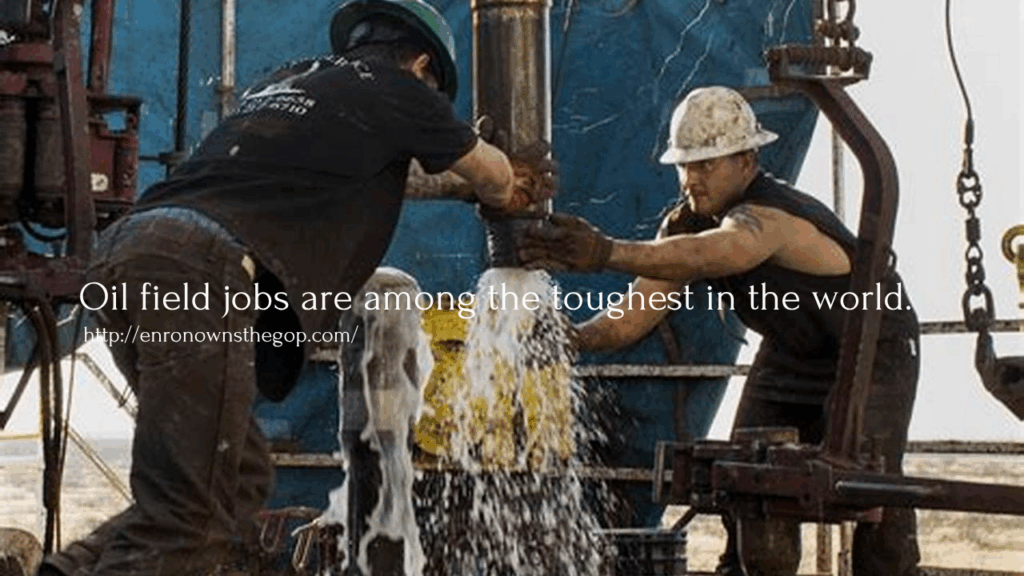
Oil field jobs are among the toughest in the world. Workers endure extreme temperatures, long hours—often 12 to 16 per day—and physically taxing tasks that leave bodies worn and minds frayed. Many are stationed far from home, isolated in temporary housing camps or remote towns where access to family, recreation, and support systems is limited.

The relentless grind takes a toll. The high pay may ease financial burdens, but it doesn’t address the mental and emotional needs of workers. As the pressure builds, many look for an escape—something to dull the pain, fight off loneliness, or simply help them sleep.

The Nighttime Escape

After the shift ends, the real struggle begins for many oil field workers. Alcohol often becomes the first refuge, an accepted part of off-duty culture in many boomtowns. Bars near drilling sites stay busy, and drinking is normalized—even celebrated—as a way to unwind.

But alcohol isn’t the only substance used to cope. Methamphetamine and cocaine are frequently used to stay alert during long workdays, while opioids—prescription or illicit—help manage chronic pain and mental exhaustion. Over time, what starts as a way to get through the day or decompress at night becomes a cycle of dependence and addiction.

The Hidden Toll

Addiction in the oil fields doesn’t just impact individuals; it reverberates through families and communities. Workers struggling with substance use may miss work, suffer injuries, or make critical errors on dangerous job sites. At home, relationships falter under the weight of addiction, and children suffer from unstable family environments.

Boomtowns, once thriving from the economic influx, often see rising crime rates, overwhelmed healthcare systems, and under-resourced addiction treatment facilities. As the addiction crisis deepens, the shine of the oil industry begins to dim.

Breaking the Cycle

Addressing addiction in the oil fields requires more than drug testing or disciplinary measures. It calls for a shift in workplace culture and proactive support systems. Employers must invest in mental health resources, confidential counseling, and substance abuse treatment. Educational programs can help workers recognize the signs of addiction and know where to turn for help.

Community support is also crucial. Local governments and healthcare providers must work to expand access to addiction treatment, provide affordable housing, and create safe recreational alternatives for workers.

Drilling by day and numbing by night doesn’t have to be the norm. With compassionate intervention, education, and proper support, the oil industry can begin to heal its workforce and create a more sustainable, humane future for those who power it.

Fat Paychecks, Empty Lives: How Addiction Thrives in Remote Oil Towns

In remote oil towns, where the scent of crude and the promise of quick wealth fill the air, life can seem golden—at least from the outside. Workers rake in fat paychecks, often earning more in a few months than many do in a year. But behind this financial allure lies a haunting truth: addiction festers in the shadows of prosperity, transforming booming communities into battlegrounds for survival.

Isolation and Opportunity

Oil towns are typically located far from urban centers, surrounded by miles of wilderness or desert. These outposts exist solely for extraction, attracting a transient workforce lured by high wages and the promise of economic mobility. But isolation brings its own challenges. With few entertainment options and limited social structures, workers often turn inward—or toward substances—to cope with the monotony and emotional strain.

High stress, long hours, and dangerous conditions create a perfect storm for substance use. Methamphetamine, opioids, and alcohol are among the most commonly abused substances. Meth provides the energy needed for grueling shifts, while opioids numb chronic pain and emotional distress. Alcohol, readily available and culturally ingrained, serves as both a social lubricant and an escape.

Fast Money, Fast Living

The sudden influx of wealth can be overwhelming. Many workers, especially those unaccustomed to managing large sums of money, find themselves swept up in a whirlwind of spending. New trucks, expensive toys, gambling, and nightlife quickly drain bank accounts. In the absence of financial guidance or stability, drugs and alcohol often become tools to fill the emotional void.

This cycle of consumption and escape is intensified by the “work hard, play hard” mentality prevalent in oil culture. In off-hours, parties and substance use are commonplace. The stigma around addiction remains strong, and asking for help is often viewed as a sign of weakness.

Cracks in the Community

Addiction doesn’t just affect the individual—it ripples through families and communities. Domestic violence, absentee parenting, and mental health issues rise alongside substance abuse. Local healthcare systems, often underfunded and underprepared, struggle to keep up. Law enforcement deals with a surge in drug-related crimes and overdoses, turning once-thriving boomtowns into public health crises.

Even the economic benefits of the oil industry can’t outweigh the social costs when addiction takes hold. Communities built on high earnings and promise can crumble under the weight of dependency, leaving behind a population that feels empty despite the money in their pockets.

Building Support, Not Just Infrastructure

To combat this epidemic, stakeholders must prioritize the health and well-being of oil town residents. Oil companies should implement robust wellness programs, provide access to mental health and addiction services, and foster a culture where seeking help is encouraged. Local and state governments must also invest in healthcare infrastructure, addiction recovery centers, and preventive education.

Financial success should not come at the cost of human lives. Remote oil towns can thrive, not just economically but socially and emotionally, if we begin to treat addiction not as a personal failing, but as a systemic issue tied to the very nature of the industry.

Only then can fat paychecks lead to full, meaningful lives instead of empty ones.