
Breaking the Cycle: Holistic and Faith-Based Treatment Options for Oil Industry Professionals

Oil industry professionals work in some of the most demanding environments in the workforce. Long shifts, physical danger, isolation from family, and constant performance pressure can slowly take a toll on mental health and emotional stability. For many workers, these pressures can lead to substance use as a way to cope. Over time, what begins as temporary relief can develop into addiction, impacting health, relationships, and career stability. The good news is that recovery is possible. Holistic and faith-based treatment options offer meaningful, compassionate pathways to break the cycle and rebuild a healthier life.

Understanding the Pressures Behind Addiction in the Oil Industry

The oil and energy sector requires resilience, focus, and physical endurance. Workers often spend extended periods away from home, operating in remote or hazardous conditions. This environment can create chronic stress and emotional fatigue.

Without adequate support, many individuals begin using alcohol, prescription medication, or other substances to manage exhaustion, pain, or anxiety. While these substances may provide short-term relief, they can quickly lead to dependency and long-term health consequences.

Isolation and Emotional Strain

Isolation is one of the most overlooked challenges in oil industry careers. Time away from family and limited social support can increase feelings of loneliness and depression. When combined with high-pressure work demands, this emotional strain can become overwhelming.

In many cases, individuals do not recognize how deeply stress is affecting their mental health until substance use begins interfering with daily life.

Why Holistic Treatment Matters in Addiction Recovery

Holistic treatment focuses on healing the whole person rather than just treating symptoms of addiction. This approach recognizes that substance use is often connected to physical, emotional, and spiritual imbalances.

For oil industry professionals, holistic care provides tools to manage stress, rebuild emotional resilience, and develop healthier coping strategies.

Key Components of Holistic Recovery

Holistic treatment programs may include:

  • Individual therapy to address underlying emotional challenges
  • Group counseling for shared support and accountability
  • Stress management and mindfulness practices
  • Physical wellness activities such as exercise and nutrition guidance
  • Spiritual support for individuals seeking deeper meaning and direction

By addressing multiple aspects of well-being, holistic treatment helps individuals build long-term stability in recovery.

The Role of Faith-Based Treatment in Healing

Faith-based treatment offers an additional layer of support for individuals who want to incorporate spiritual growth into their recovery journey. Many people find strength, hope, and purpose through spiritual guidance during difficult times.

Spiritual Support in Recovery

Faith-based programs may include prayer, spiritual counseling, scripture reflection, and community support. These elements can help individuals reconnect with their values and develop a stronger sense of purpose beyond addiction.

For many oil industry professionals, faith-based recovery provides comfort during moments of uncertainty and reinforces the belief that healing and change are possible.

Inpatient and Outpatient Care Options

Recovery is not a one-size-fits-all process. Treatment must be tailored to each individual’s needs, responsibilities, and severity of addiction.

Inpatient Treatment for Structured Healing

Inpatient programs provide 24-hour care in a structured environment. This level of treatment is ideal for individuals who need intensive support or who are struggling with severe substance use. It removes external stressors and allows individuals to focus fully on recovery.

Outpatient Treatment for Flexible Support

Outpatient programs allow individuals to continue working or managing family responsibilities while receiving care. These programs include therapy sessions, group support, and ongoing counseling. Outpatient care is effective for those with mild to moderate addiction or as a step-down option after inpatient treatment.

Building a Strong Foundation for Long-Term Recovery

Recovery is most successful when individuals have access to ongoing support and healthy coping tools. Combining holistic and faith-based approaches with professional treatment creates a strong foundation for lasting change.

Family involvement also plays an important role. When loved ones participate in the recovery process, communication improves and trust can be rebuilt. This support system helps individuals stay grounded and motivated throughout their healing journey.

Taking the First Step Toward Recovery

Breaking the cycle of addiction in the oil industry begins with recognizing the need for help. High-pressure work environments do not have to lead to long-term struggle. With the right treatment, individuals can regain control of their lives and restore both mental and physical health.

Holistic and faith-based programs offer compassionate, individualized care designed to meet the unique challenges of oil industry professionals. Whether through inpatient or outpatient treatment, recovery is possible with the right support system in place.

If you or someone you love is struggling with substance use or mental health challenges, reaching out for help is the first step toward healing. A healthier, more balanced future is within reach, and support is available to guide the journey every step of the way.

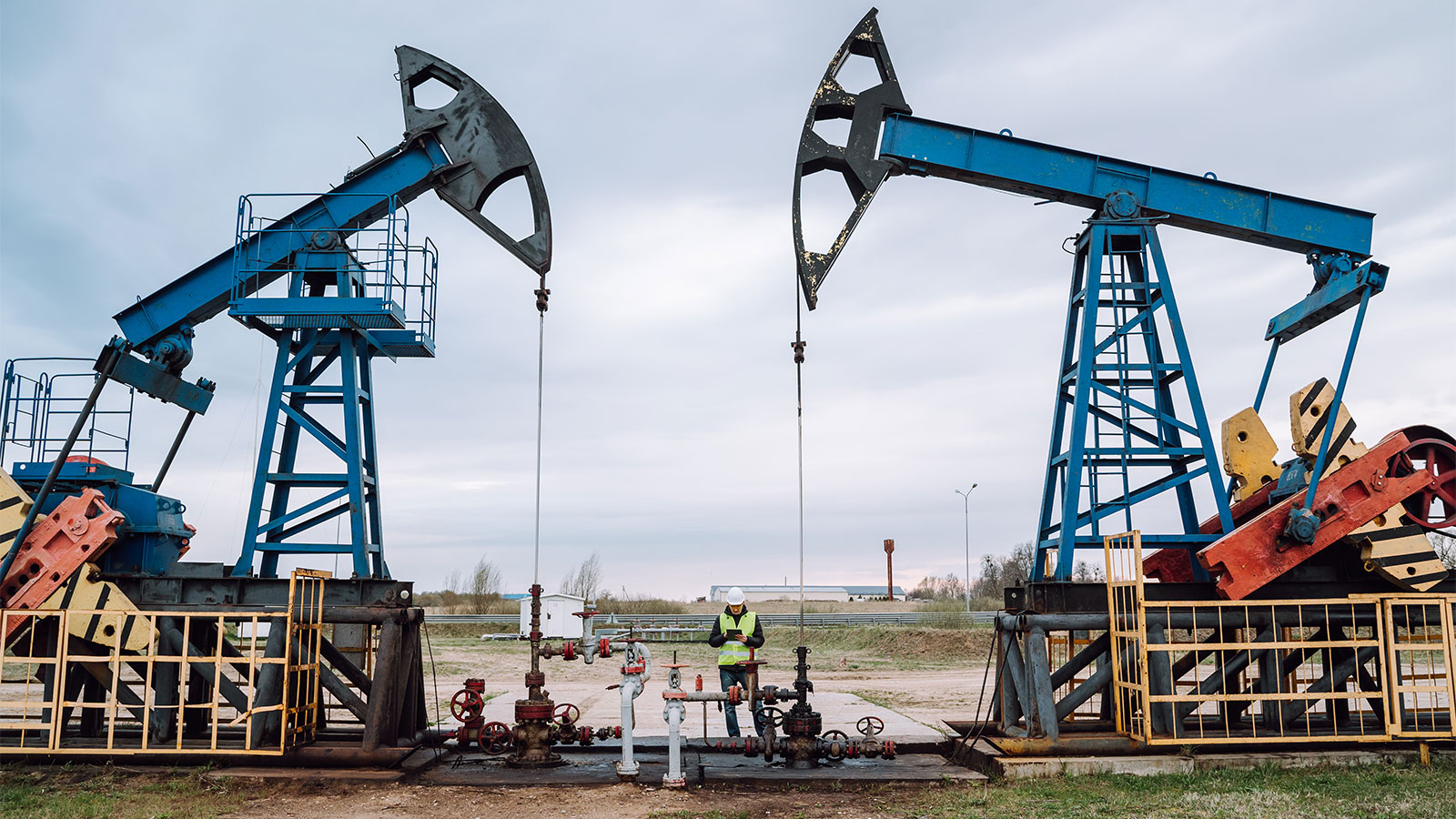
When Big Money Meets Big Risk: Recognizing Addiction in Oil Field Workers and Their Families

High-paying oil field jobs are often seen as a gateway to financial stability and long-term security. For many workers, these careers provide a strong income, steady employment, and opportunities for advancement. However, behind the financial rewards, there is a growing concern that often goes unnoticed until it becomes serious. The combination of high stress, physical demands, isolation, and easy access to substances can increase the risk of addiction. For workers and their families, recognizing the early signs of substance use and understanding available recovery options is essential for protecting long-term health and stability.

Why Oil Field Work Carries a Higher Risk of Addiction

Oil field environments are uniquely demanding. Workers often face long shifts, physically exhausting labor, and hazardous conditions. Many are stationed far from home for extended periods, which can lead to emotional strain and isolation. Over time, these conditions can take a toll on both mental and physical health.

In some cases, substances such as alcohol, prescription pain medication, or stimulants become a way to manage fatigue, stress, or emotional discomfort. While this may begin as occasional use, it can gradually develop into dependency.

The Role of Stress, Isolation, and Culture

The culture in many high-risk energy environments values endurance and toughness. While these traits are essential for safety and performance, they can also discourage individuals from seeking help. Many workers feel pressure to “push through” stress rather than acknowledge it.

At the same time, isolation from family and support systems can intensify emotional challenges. When stress is combined with limited support, substance use may become a coping mechanism rather than a conscious decision.

Recognizing the Warning Signs of Addiction

Addiction often develops gradually, making early recognition critical. Families and coworkers are often the first to notice changes.

Common warning signs include:

  • Increased irritability or sudden mood changes
  • Withdrawal from family, friends, or coworkers
  • Declining job performance or safety concerns
  • Changes in sleep patterns or chronic fatigue
  • Increased secrecy around behavior or finances
  • Regular use of substances to cope with stress or pain

When these signs appear, it is important to respond with compassion rather than judgment. Addiction is a medical and psychological condition that requires professional care.

Understanding the Link Between Mental Health and Substance Use

Addiction rarely exists on its own. Many oil field workers struggling with substance use are also dealing with anxiety, depression, trauma, or chronic stress. These conditions can feed into one another, creating a cycle that is difficult to break without support.

Effective treatment must address both substance use and mental health together. Focusing on only one aspect often leads to incomplete recovery and a higher risk of relapse.

How Families Are Impacted by Addiction

Addiction affects more than the individual. Families often experience emotional stress, financial strain, and breakdowns in communication. Loved ones may feel confusion, frustration, or helplessness as they try to understand what is happening.

However, families also play a critical role in recovery. Support, understanding, and participation in the healing process can significantly improve outcomes for the person struggling with addiction.

Building Healthy Support Systems

Recovery is strengthened through connection. Support systems may include family members, peer groups, counselors, and recovery professionals. These networks help individuals stay accountable while also providing emotional encouragement during difficult stages of recovery.

Treatment Options That Support Long Term Recovery

Recovery from addiction requires more than stopping substance use. It involves healing the mind, body, and emotional well-being through structured and supportive care.

Inpatient Treatment for Stabilization and Focus

Inpatient programs provide a safe, structured environment where individuals can fully focus on recovery. With 24-hour support, therapy sessions, and medical care, inpatient treatment is often recommended for individuals with severe addiction or co-occurring mental health conditions.

Outpatient Treatment for Flexibility and Continuity

Outpatient programs allow individuals to continue working or managing family responsibilities while receiving treatment. These programs include counseling, group therapy, and ongoing support, making them ideal for those who need flexibility while maintaining accountability.

Holistic and Faith-Based Recovery Approaches

Holistic treatment focuses on healing the whole person. This includes mental health counseling, physical wellness practices, stress management techniques, and spiritual or faith-based support when desired. These approaches help individuals develop healthier coping strategies and build resilience for long-term recovery.

Moving Toward Recovery and Stability

Recognizing addiction early creates an opportunity for meaningful change. With the right support, oil field workers and their families can overcome substance use and rebuild their lives. Recovery is not just about stopping harmful behavior. It is about restoring health, repairing relationships, and creating a sustainable path forward.

If you or someone you love is struggling with addiction related to high-stress oil field work, help is available. Compassionate, individualized treatment programs offer inpatient and outpatient care, mental health support, and holistic healing options designed to meet each person’s needs.

Taking the first step toward help can feel overwhelming, but it is also the most important step toward recovery. With professional care and family support, healing is possible and a healthier future is within reach.

From Boardrooms to the Oil Patch: How Industry Pressure Fuels Substance Abuse and What Recovery Can Offer

High-pressure industries like oil and energy are often associated with leadership, wealth, and opportunity. From corporate boardrooms to remote oil fields, the expectation to perform consistently at a high level can be intense. While these careers can bring financial stability, they can also create conditions where stress, burnout, and emotional strain build over time. For many professionals, this pressure becomes a quiet catalyst for substance use and mental health struggles. Understanding this connection is the first step toward meaningful recovery and long-term healing.

How Industry Pressure Contributes to Substance Use

In both executive environments and oil field operations, the demand for constant performance is a shared reality. Deadlines, safety responsibilities, financial targets, and long hours create ongoing stress. Without adequate support or healthy coping tools, individuals may begin using alcohol, prescription medication, or other substances to manage fatigue or anxiety.

Over time, what starts as occasional relief can become dependency. The cycle often continues unnoticed because many professionals are still able to function at work, even as their personal lives begin to suffer.

The Hidden Stress Behind High Achievement

High-achieving environments often normalize stress and exhaustion. Many workers feel pressure to push through fatigue rather than address it. In boardrooms, it may be constant decision-making and financial accountability. In the oil patch, it may be physical labor in demanding and sometimes dangerous conditions.

In both settings, emotional strain is often overlooked. This creates a gap where mental health challenges grow quietly and substance use becomes a coping mechanism instead of a conscious choice.

Recognizing the Warning Signs of Substance Abuse

Substance use disorder rarely appears suddenly. It develops gradually, often masked by success, responsibility, or financial stability. Recognizing early warning signs can help prevent long-term harm.

Common indicators include:

  • Increased irritability or emotional withdrawal
  • Declining work performance or inconsistent decision-making
  • Using substances to sleep, relax, or manage stress
  • Withdrawing from family, friends, or colleagues
  • Physical changes such as fatigue, weight shifts, or frequent illness

When these signs appear, early support can make a significant difference in recovery outcomes.

Mental Health and Addiction Often Coexist

Substance abuse is frequently connected to underlying mental health conditions such as anxiety, depression, or unresolved trauma. In high-pressure careers, these issues may go untreated for years.

When mental health concerns are not addressed, substance use often becomes a form of self-medication. This is why effective treatment must address both addiction and mental health together, rather than treating them separately.

What Recovery Can Offer: A Path Toward Stability and Healing

Recovery is not only about stopping substance use. It is about rebuilding physical health, emotional balance, and personal purpose. Professional treatment programs offer structured support designed to meet individuals where they are.

Inpatient Treatment for Intensive Support

Inpatient rehab provides a structured environment where individuals can focus fully on recovery. With 24-hour care, therapy, and medical support, this level of treatment is often best for those facing severe addiction or co-occurring mental health challenges.

Inpatient care removes individuals from high-pressure environments, allowing space for stabilization, reflection, and healing.

Outpatient Treatment for Flexible Recovery

Outpatient programs allow individuals to continue working or managing family responsibilities while receiving treatment. These programs include counseling, group therapy, and ongoing support.

Outpatient care is especially effective for professionals who need flexibility while still requiring consistent accountability and structured guidance.

Holistic and Individualized Healing Approaches

True recovery addresses the whole person. Holistic treatment focuses on restoring balance between mind, body, and spirit. This may include:

  • Individual and group therapy sessions
  • Stress management and coping skills training
  • Physical wellness practices such as exercise and nutrition support
  • Faith-based counseling for those seeking spiritual grounding
  • Personalized treatment planning based on individual needs

By combining these approaches, individuals develop healthier ways to manage stress and prevent relapse.

The Importance of Support Systems in Recovery

No one should navigate recovery alone. Family involvement, peer support, and professional guidance all play essential roles in long-term success. Loved ones often need education and support as well, since addiction impacts entire family systems.

Support networks help rebuild trust, improve communication, and create accountability during the recovery process.

Taking the First Step Toward Recovery

Whether pressure comes from a boardroom or an oil field, the impact on mental health can be significant. Substance use is often a response to unmanaged stress, not a lack of strength or discipline. With the right support, recovery is not only possible, it is sustainable.

If you or someone you love is struggling with substance use or mental health challenges related to high-pressure work environments, help is available. Inpatient and outpatient treatment programs, combined with holistic and individualized care, can provide the tools needed to heal and rebuild.

Reaching out is the first step toward a healthier future. With compassionate support and professional treatment, it is possible to move beyond survival and begin truly living again.

The Hidden Costs of Oil Wealth: Addiction and Mental Health Struggles in High-Paying Energy Careers

High-paying energy careers offer prestige, financial security, and professional recognition. Yet beneath the lucrative salaries, many oil field workers and energy professionals face hidden challenges. Long hours, physically demanding work, and prolonged time away from home can contribute to chronic stress, anxiety, and depression. In some cases, these pressures lead to substance use as a coping mechanism. What begins as a temporary solution to manage pain or unwind after a shift can develop into addiction, impacting personal health, professional performance, and family relationships. Understanding these risks and exploring recovery options is critical for anyone working in high-stress energy careers.

Why Oil Industry Careers Present Unique Mental Health Challenges

Working in the oil and energy sector often means enduring extended shifts in remote locations, handling physically demanding tasks, and managing high-pressure safety expectations. The combination of fatigue, isolation, and responsibility can create intense stress. Over time, this stress may contribute to mental health struggles such as anxiety, depression, and burnout.

The Link Between Stress and Substance Use

For many energy workers, substances like alcohol, prescription medications, or stimulants may seem like a practical solution to manage stress, sleep disruption, or chronic pain. While these substances may provide temporary relief, reliance can grow quickly, creating a cycle of dependency that impacts personal and professional life. Recognizing the early warning signs of substance use is essential for preventing more severe health and social consequences.

Early Warning Signs of Addiction and Mental Health Struggles

Addiction rarely develops overnight. It usually appears gradually, often masked by wealth, professional success, or a strong work ethic. Key indicators may include:

  • Increased irritability, mood swings, or emotional withdrawal
  • Declining work performance or attention to safety
  • Withdrawal from friends, family, or social activities
  • Growing reliance on alcohol or medications to cope with stress
  • Changes in physical health such as fatigue, weight fluctuation, or poor hygiene

Family members, friends, and coworkers who notice these signs can play a crucial role in encouraging professional support.

Understanding Co-Occurring Disorders

Substance use and mental health challenges often occur together. Stress, anxiety, and depression can contribute to addiction, while addiction can worsen mental health symptoms. Comprehensive treatment that addresses both aspects is essential for lasting recovery. Ignoring mental health challenges while attempting to manage substance use can prolong the cycle of dependence and reduce the effectiveness of treatment.

Inpatient and Outpatient Recovery Options

Recovery programs for energy professionals should be tailored to individual needs, recognizing the unique pressures of the industry.

Inpatient Rehab for Immersive Support

Inpatient programs provide a structured environment where participants can focus solely on recovery. Benefits include 24-hour medical supervision, individual and group therapy, peer support, and holistic wellness activities. Inpatient care is particularly effective for individuals with severe addiction, co-occurring mental health disorders, or limited support networks.

Outpatient Rehab for Flexibility and Integration

Outpatient programs allow participants to maintain work or family responsibilities while receiving professional support. These programs include therapy, group counseling, stress management education, and holistic wellness activities. Outpatient treatment is ideal for those with mild to moderate addiction or as a step-down option after inpatient care, helping individuals apply recovery strategies in real-world situations.

Holistic and Faith-Based Approaches

Healing from addiction involves more than addressing substance use. Holistic and faith-based programs focus on the mind, body, and spirit, providing tools for long-term wellness. Mindfulness, wellness activities, spiritual counseling, and stress management techniques help individuals build resilience, manage triggers, and maintain recovery.

Family involvement is also critical. Support from loved ones strengthens recovery, rebuilds trust, and provides accountability. Including family in therapy sessions and education can improve long-term outcomes and enhance emotional well-being.

Taking the First Step Toward Recovery

The pressures of high-paying energy careers can mask the warning signs of addiction and mental health struggles. Yet recovery is possible with compassionate, client-centered support that addresses both mental health and substance use. Inpatient and outpatient programs, combined with holistic and faith-based approaches, provide the guidance and tools necessary to reclaim health, restore relationships, and rebuild a meaningful life.

If you or someone you care about is struggling with substance use or mental health challenges in the oil and energy sector, reaching out for help is the first step toward lasting change. Professional programs are available to support every stage of recovery, offering individualized care designed to meet the unique demands of high-stress careers. Taking action today can lead to a healthier, more balanced, and fulfilling future.