
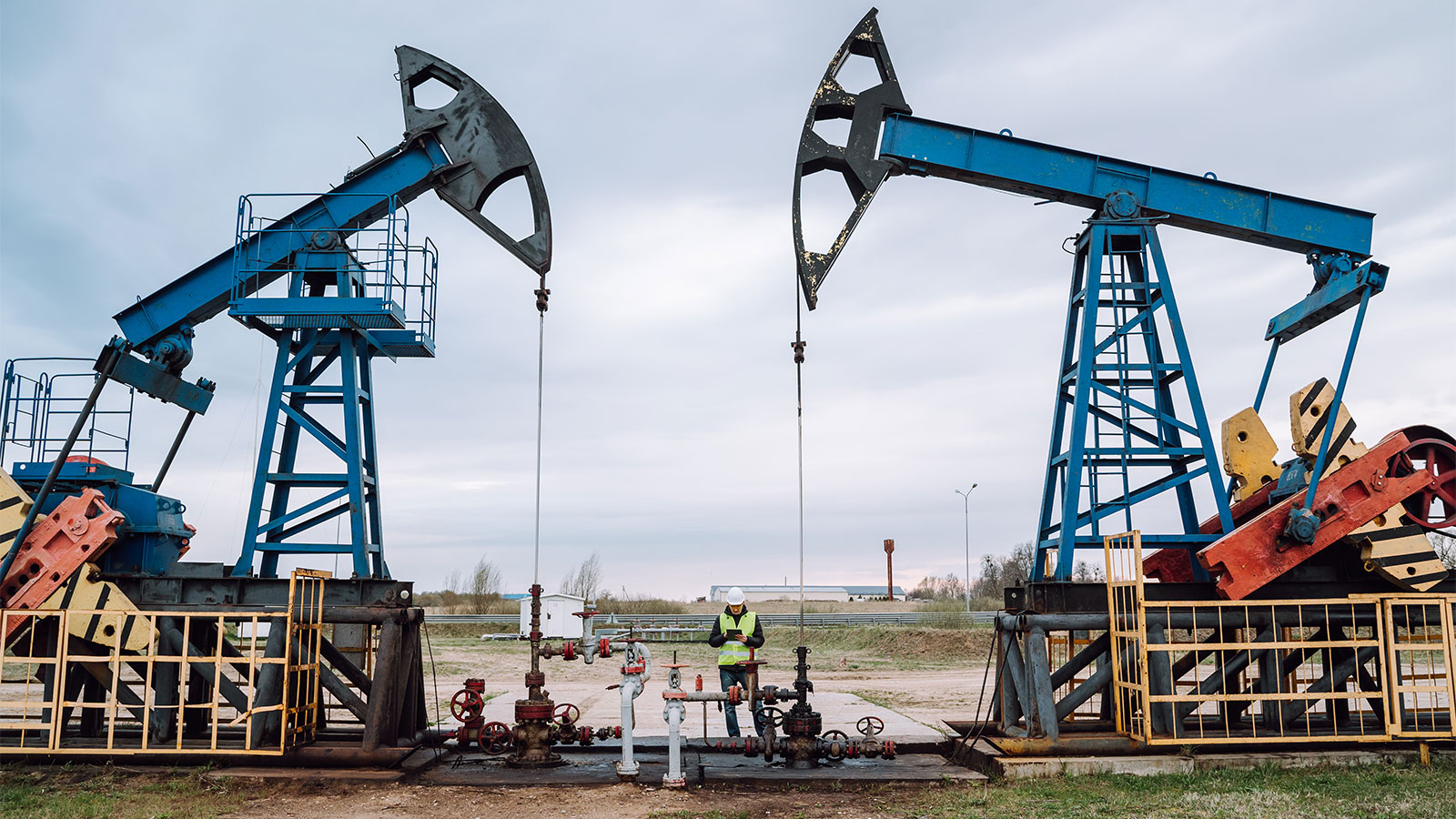
High-paying energy jobs have long been associated with opportunity, stability, and financial success. For many oil field workers, these careers provide a strong income and a clear path forward. However, behind the paychecks and demanding schedules, there is a growing concern that is often overlooked. Substance use disorders are rising among workers in high-stress energy environments. Long hours, physical exhaustion, isolation, and constant pressure can create conditions where addiction quietly develops. Understanding this link is essential for recognizing early warning signs and finding effective recovery solutions.
Why High-Paying Energy Jobs Carry Higher Addiction Risk
Oil field work is physically demanding and mentally intense. Workers often spend extended periods in remote locations, operating heavy machinery and managing high-risk tasks. The pressure to stay alert, productive, and safe at all times can lead to chronic stress.
Over time, this stress does not simply go away. It builds. Many workers turn to alcohol, prescription medications, or stimulants to manage fatigue, pain, or anxiety. While these substances may seem helpful in the short term, they can quickly lead to dependency and long-term health consequences.
The Impact of Isolation and Long Rotations
Isolation plays a major role in substance use among energy workers. Extended time away from family and support systems can lead to loneliness and emotional strain. When combined with physically exhausting work schedules, this isolation increases vulnerability to substance use as a coping mechanism.
Without healthy outlets or emotional support, many individuals struggle to manage stress in a sustainable way.
Recognizing Substance Use Disorders in the Oil Patch
Substance use disorders often develop gradually, making them difficult to detect in high-functioning individuals. Many workers continue performing their duties while quietly struggling with addiction.
Common warning signs include:
- Increased irritability or sudden changes in mood
- Declining job performance or safety issues
- Withdrawal from family, friends, or coworkers
- Changes in sleep patterns or chronic fatigue
- Reliance on substances to manage stress or physical discomfort
Recognizing these signs early can make a significant difference in recovery outcomes. The sooner help is provided, the more effective treatment can be.
Mental Health and Addiction Often Go Hand in Hand
Substance use disorders rarely exist in isolation. Many oil field workers also experience anxiety, depression, trauma, or chronic stress. These mental health challenges can contribute to substance use, while substance use can worsen mental health symptoms.
Effective recovery requires addressing both conditions at the same time. Treating only one aspect often leads to incomplete healing and a higher risk of relapse.
Treatment Options That Support Long-Term Recovery
Recovery is not one-size-fits-all. Individuals in high-stress energy careers benefit from treatment programs that are flexible, structured, and tailored to their needs.
Inpatient Treatment for Intensive Support
Inpatient programs provide a structured environment where individuals can focus entirely on recovery. With 24-hour care, therapy sessions, and medical supervision, inpatient treatment is often best suited for those experiencing severe addiction or co-occurring mental health conditions.
This level of care removes external stressors and allows individuals to begin the healing process in a safe and supportive setting.
Outpatient Treatment for Flexible Care
Outpatient programs allow individuals to continue working or managing personal responsibilities while receiving treatment. These programs include counseling, group therapy, and ongoing support.
Outpatient care is ideal for individuals with moderate substance use disorders or those transitioning from inpatient treatment. It helps reinforce recovery skills while maintaining daily structure.
Holistic and Faith-Based Approaches to Healing
Long-term recovery requires more than stopping substance use. It involves healing the whole person. Holistic treatment approaches focus on physical, emotional, and spiritual well-being.
These programs may include:
- Individual and group counseling
- Stress management and coping skills training
- Physical wellness support such as exercise and nutrition guidance
- Faith-based counseling for spiritual growth and grounding
- Personalized treatment plans based on individual needs
By addressing multiple areas of health, holistic care helps individuals build stronger resilience and healthier coping strategies.
The Importance of Support Systems in Recovery
Recovery is not something anyone should face alone. Family support, peer groups, and professional care all play important roles in long-term success. Strong support systems provide encouragement, accountability, and emotional stability throughout the recovery journey.
When families are involved in the process, communication improves and trust begins to rebuild. This strengthens the foundation for lasting recovery.
Taking the First Step Toward Recovery
Inside the oil patch, many workers are silently struggling with substance use and mental health challenges. High-paying jobs can sometimes mask these struggles, but they do not eliminate them. Recovery is possible with the right support, structure, and care.
If you or someone you love is experiencing substance use or mental health challenges related to high-stress energy work, help is available. Compassionate treatment programs offer inpatient and outpatient care, holistic healing approaches, and individualized support designed to meet each person’s needs.
Taking the first step toward help can feel difficult, but it is also the most important step toward healing. With professional care and ongoing support, individuals can regain stability, restore relationships, and build a healthier future beyond the oil patch.