
From Stress to Support: How Inpatient and Outpatient Treatment Helps Oil Field Workers Rebuild Their Lives

Oil field work is known for its intensity, long hours, and demanding physical labor. While it can provide strong financial stability, it also places workers under constant pressure that builds over time. Chronic stress, isolation, and fatigue can quietly affect mental health and lead some individuals toward substance use as a coping mechanism. What may begin as a way to manage stress or pain can gradually develop into addiction. Fortunately, recovery is possible. Inpatient and outpatient treatment programs offer structured, compassionate support that helps oil field workers regain stability and rebuild their lives.

Understanding the Impact of Oil Field Stress on Mental Health

Oil field environments require workers to stay alert and perform in high-risk conditions for extended periods. This level of responsibility creates ongoing mental and physical strain. Over time, stress that is not addressed can develop into anxiety, depression, or burnout.

Many workers also spend long periods away from family and familiar support systems. This isolation can increase emotional distress and make it harder to maintain healthy coping habits. Without support, some individuals turn to alcohol, prescription medications, or other substances to manage exhaustion or emotional discomfort.

When Stress Becomes a Cycle

Stress in high-pressure environments does not simply disappear with rest. It builds. When workers do not have time or resources to recover emotionally, they may enter a cycle where stress leads to substance use, and substance use increases stress over time.

Recognizing this cycle early is an important step toward breaking it and seeking help.

Recognizing the Signs That Help Is Needed

Addiction and mental health struggles often develop gradually. In many cases, individuals continue working while experiencing internal distress. However, there are warning signs that should not be ignored.

These include:

  • Increased irritability or mood changes
  • Declining work performance or safety concerns
  • Withdrawal from family or social interactions
  • Changes in sleep patterns or chronic fatigue
  • Increased reliance on substances to cope with stress

When these signs appear, early intervention can significantly improve recovery outcomes.

Mental Health and Substance Use Often Overlap

Many oil field workers experiencing substance use challenges are also dealing with underlying mental health conditions such as anxiety, depression, or trauma. These issues are closely connected and must be treated together for recovery to be effective.

Addressing only one aspect often leads to incomplete healing and a higher risk of relapse.

How Inpatient Treatment Supports Full Recovery

Inpatient treatment provides a structured environment where individuals can focus entirely on healing. This level of care is often recommended for those experiencing severe addiction or co-occurring mental health conditions.

Key Benefits of Inpatient Care

Inpatient programs typically include:

  • 24-hour medical and emotional support
  • Individual and group therapy sessions
  • Structured daily routines to promote stability
  • Removal from external stressors and triggers
  • Access to mental health and addiction specialists

By stepping away from the pressures of daily life, individuals are given the space needed to stabilize physically and emotionally. This foundation is critical for long-term recovery.

How Outpatient Treatment Provides Flexible Support

Outpatient treatment is designed for individuals who need ongoing support while continuing to work or manage family responsibilities. It is also commonly used as a step-down option after inpatient care.

The Structure of Outpatient Programs

Outpatient care may include:

  • Regular counseling sessions
  • Group therapy and peer support
  • Mental health education
  • Relapse prevention planning
  • Flexible scheduling to maintain daily responsibilities

This approach allows individuals to apply recovery skills in real-world settings while still receiving consistent professional guidance.

Holistic and Individualized Approaches to Healing

Effective recovery goes beyond stopping substance use. It involves healing the whole person, including physical health, emotional well-being, and personal identity.

Holistic and individualized treatment approaches may include:

  • Stress management techniques and coping strategies
  • Physical wellness support such as exercise and nutrition
  • Therapy focused on emotional regulation and trauma recovery
  • Faith-based or spiritual support when desired
  • Personalized treatment plans based on individual needs

These methods help individuals build healthier habits and strengthen resilience over time.

The Role of Family in Recovery

Family involvement is an important part of the healing process. Addiction affects relationships, communication, and trust. When families participate in recovery, they can better understand the challenges their loved one is facing and learn how to provide meaningful support.

This shared healing process often leads to stronger relationships and better long-term outcomes.

Moving From Stress to Support

Oil field workers face unique pressures that can take a serious toll on mental health. However, stress does not have to lead to long-term struggle. With the right treatment and support, recovery is not only possible but sustainable.

Inpatient and outpatient programs provide structured, compassionate care designed to meet individuals where they are. Whether someone needs intensive support or flexible ongoing treatment, there is a path forward.

If you or someone you love is struggling with substance use or mental health challenges related to oil field work, help is available. Reaching out is the first step toward recovery. With professional support, it is possible to move from stress to stability and rebuild a healthier, more balanced life.
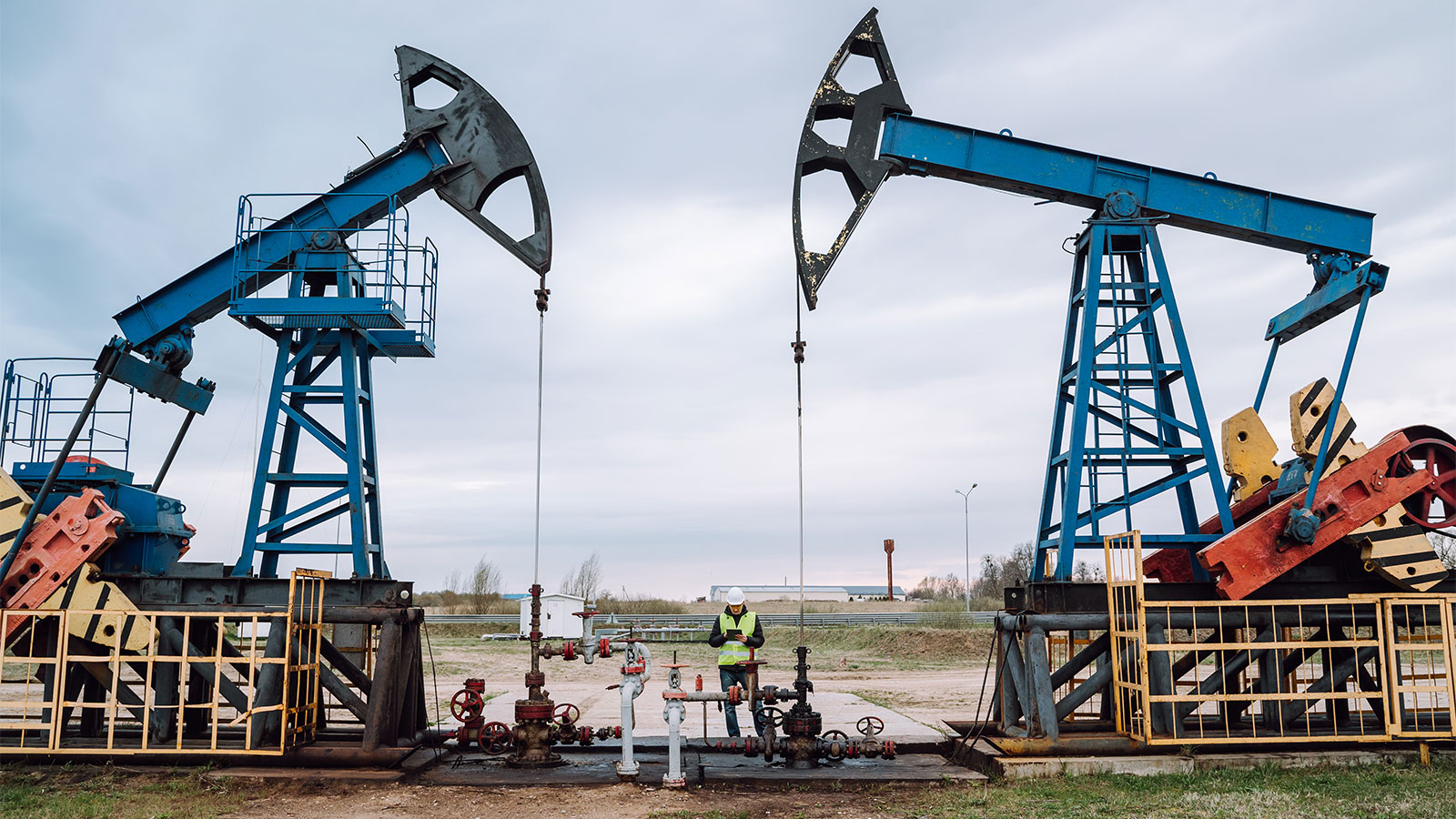
The Pressure Behind the Paycheck: Why Mental Health Challenges Are Growing in the Energy Sector

The energy sector is often viewed as a pathway to stability, strong income, and long-term opportunity. From oil fields to corporate energy offices, these careers provide financial rewards that many other industries cannot match. However, behind the paycheck, there is a growing mental health challenge that is increasingly difficult to ignore. Long hours, high-risk responsibilities, physical exhaustion, and time away from family all contribute to chronic stress. When that stress goes unaddressed, it can develop into anxiety, depression, burnout, and substance use disorders. Understanding this reality is essential for supporting workers and guiding them toward effective treatment and recovery.

Why Mental Health Challenges Are Rising in the Energy Sector

Energy sector work is demanding in both physical and emotional ways. Workers are often required to maintain constant focus in environments where safety is critical and mistakes can have serious consequences. This level of responsibility creates sustained psychological pressure.

In addition, many workers spend extended periods away from home. This separation from family and support systems can lead to isolation, loneliness, and emotional fatigue. Over time, these conditions make it harder to manage stress in healthy ways.

Chronic Stress and Its Long-Term Impact

Chronic stress is one of the most significant contributors to mental health decline in the energy industry. Long shifts, rotating schedules, and physically demanding labor all take a toll on the body and mind.

When stress becomes constant, the nervous system remains in a heightened state of alert. This can lead to sleep problems, irritability, difficulty concentrating, and emotional exhaustion. Without intervention, chronic stress can evolve into more serious mental health conditions.

Common Mental Health Struggles Among Energy Workers

Mental health challenges in the energy sector often go unnoticed because many individuals continue working despite internal struggles. However, there are clear warning signs that should not be ignored.

These include:

  • Ongoing fatigue or low energy levels
  • Mood swings or increased irritability
  • Difficulty sleeping or irregular sleep patterns
  • Withdrawal from social and family relationships
  • Loss of motivation or emotional numbness
  • Increased reliance on substances to cope with stress

Recognizing these signs early can significantly improve recovery outcomes. Early support often leads to more effective and sustainable healing.

The Link Between Mental Health and Substance Use

Substance use and mental health issues often occur together. Many energy workers turn to alcohol, prescription medication, or other substances to manage stress, sleep issues, or emotional discomfort.

While these substances may provide temporary relief, they can quickly lead to dependency. Over time, substance use can worsen mental health symptoms, creating a cycle that becomes increasingly difficult to break without professional help.

The Role of High-Pressure Work Environments

High-pressure environments are common throughout the energy sector. Workers are expected to perform consistently, often under physically demanding and time-sensitive conditions. This constant pressure can lead to burnout.

Burnout is more than just exhaustion. It is a state of emotional and mental depletion that affects motivation, performance, and overall well-being. Many individuals experiencing burnout continue to push through, unaware of how deeply it is affecting their mental health.

Why Early Intervention Matters

Early intervention is one of the most effective ways to prevent long-term mental health decline. When individuals seek support at the first signs of distress, recovery is often faster and more stable.

Support may include therapy, stress management strategies, peer support groups, or professional treatment programs designed specifically for high-stress careers like energy work.

Treatment Options for Mental Health and Recovery

Effective treatment must address both mental health and substance use when they occur together. A comprehensive approach helps individuals build healthier coping strategies and long-term stability.

Inpatient Treatment for Intensive Support

Inpatient programs provide a structured and supportive environment where individuals can focus fully on recovery. With 24-hour care, therapy, and medical supervision, inpatient treatment is ideal for those experiencing severe mental health challenges or substance use disorders.

This level of care removes external stressors and allows individuals to stabilize physically and emotionally.

Outpatient Treatment for Flexible Care

Outpatient programs allow individuals to continue working or managing personal responsibilities while receiving treatment. These programs include counseling, group therapy, and ongoing clinical support.

Outpatient care is often used as a step-down from inpatient treatment or as a primary option for those with moderate symptoms.

Holistic and Individualized Healing Approaches

True recovery requires more than symptom management. Holistic treatment focuses on healing the whole person, including mental, physical, and emotional health.

These approaches may include:

  • Individual and group therapy sessions
  • Stress reduction and coping skills training
  • Physical wellness support such as exercise and nutrition guidance
  • Personalized treatment planning
  • Faith-based or spiritual counseling when appropriate

By addressing multiple areas of well-being, individuals can build stronger resilience and develop healthier long-term habits.

The Importance of Support Systems

Support systems play a vital role in recovery. Family, friends, peers, and professionals all contribute to long-term success. Strong support networks provide encouragement, accountability, and emotional stability throughout the healing process.

When families are involved, communication improves and relationships can begin to heal. This shared support strengthens recovery outcomes and reduces the risk of relapse.

Moving Toward Recovery and Stability

The pressure behind the paycheck in the energy sector is real, but it does not have to lead to long-term mental health struggles. With the right support and treatment, recovery is possible.

If you or someone you love is experiencing mental health challenges or substance use related to high-stress energy work, help is available. Compassionate treatment programs offer inpatient and outpatient care, holistic healing options, and individualized support designed to meet each person’s needs.

Taking the first step toward help can feel difficult, but it is also the most important step toward healing. With professional care and ongoing support, individuals can restore balance, rebuild relationships, and move toward a healthier and more stable future.

When Success Comes With a Cost: Addiction Recovery Paths for Oil Industry Workers and Their Families

Success in the oil industry often comes with strong paychecks, stable employment, and a clear sense of achievement. Yet behind that success, many workers and families are quietly dealing with a different reality. High-pressure environments, long shifts, physical exhaustion, and time away from home can create conditions where stress builds over time. For some, substances become a way to cope. What begins as relief can slowly develop into addiction, affecting health, relationships, and emotional stability. The good news is that recovery is possible through compassionate, structured, and individualized care.

The Hidden Pressure Behind Oil Industry Success

Oil industry careers are demanding in ways that are not always visible from the outside. Workers are expected to stay alert in high-risk environments, often for extended hours. The combination of physical labor and mental focus creates ongoing strain.

While financial success is often a positive outcome, it can also mask underlying struggles. Many individuals continue working effectively while silently dealing with anxiety, depression, or substance use. Because they are still performing their job, the problem often goes unnoticed until it becomes more serious.

Stress, Isolation, and Emotional Burnout

One of the biggest challenges in oil industry work is isolation. Many employees spend weeks away from family and familiar support systems. This separation can lead to loneliness and emotional exhaustion.

When stress is not addressed in healthy ways, individuals may turn to alcohol, prescription medications, or other substances. Over time, this coping mechanism can become dependency, creating a cycle that is difficult to break without support.

How Addiction Impacts Workers and Families

Addiction rarely affects only one person. Families often experience emotional strain, confusion, and breakdowns in communication. Loved ones may notice changes in behavior but struggle to understand what is happening.

Common signs include:

  • Mood changes or increased irritability
  • Withdrawal from family interactions
  • Declining job performance or safety concerns
  • Changes in sleep, energy, or health
  • Secretive behavior or increased substance use

Recognizing these signs early is important. With timely support, recovery becomes more accessible and sustainable.

The Emotional Impact on Families

Families often carry the emotional burden of addiction. They may feel stress, fear, or frustration while trying to support their loved one. Without guidance, this can lead to misunderstanding and conflict.

Involving families in the recovery process can help rebuild trust, improve communication, and create a stronger foundation for healing. Addiction is not just an individual challenge. It is a family experience that requires shared support.

Recovery Paths That Support Real Healing

Effective addiction treatment goes beyond stopping substance use. It focuses on restoring mental health, emotional balance, and physical well-being. For oil industry workers, recovery programs must also account for demanding schedules and high-stress environments.

Inpatient Treatment for Full Immersion Recovery

Inpatient programs provide a structured environment where individuals can focus completely on healing. With 24-hour support, therapy sessions, and medical care, inpatient treatment is ideal for those with severe addiction or co-occurring mental health challenges.

This environment removes external stressors and allows individuals to stabilize physically and emotionally before returning to daily life.

Outpatient Treatment for Flexible Support

Outpatient programs offer structured care while allowing individuals to continue working or caring for family responsibilities. These programs include counseling, group therapy, and ongoing support.

Outpatient treatment is often effective for individuals with moderate substance use issues or as continued care after inpatient treatment. It helps individuals apply recovery tools in real-world situations.

Holistic and Faith-Based Approaches to Recovery

Lasting recovery requires more than clinical treatment alone. Holistic care focuses on healing the whole person, including mental, physical, and spiritual well-being.

These approaches may include:

  • Individual and group therapy
  • Stress management and coping skills development
  • Physical wellness activities such as exercise and nutrition support
  • Faith-based counseling for those seeking spiritual guidance
  • Personalized treatment plans based on individual needs

By addressing multiple aspects of health, holistic care strengthens long-term recovery outcomes and helps individuals build healthier lifestyles.

Building Strong Support Systems

Support systems play a critical role in recovery. Family members, peers, and professionals all contribute to long-term success. Support groups provide accountability and understanding, while therapy offers guidance and structure.

When families are included in the process, healing becomes more complete. Trust can be rebuilt, and communication can improve over time.

Taking the First Step Toward Recovery

Success in the oil industry should not come at the cost of mental health or personal well-being. While the pressures of the job are real, so are the solutions. Recovery is possible with the right support, structure, and care.

If you or someone you love is struggling with substance use or mental health challenges related to oil industry work, help is available. Compassionate treatment programs offer inpatient and outpatient care, holistic healing options, and individualized support designed to meet each person where they are.

Taking the first step may feel difficult, but it is also the most important step toward change. With professional help and ongoing support, individuals and families can move beyond survival and begin building a healthier, more stable future together.

Inside the Oil Patch: The Rising Link Between High-Paying Energy Jobs and Substance Use Disorders

High-paying energy jobs have long been associated with opportunity, stability, and financial success. For many oil field workers, these careers provide a strong income and a clear path forward. However, behind the paychecks and demanding schedules, there is a growing concern that is often overlooked. Substance use disorders are rising among workers in high-stress energy environments. Long hours, physical exhaustion, isolation, and constant pressure can create conditions where addiction quietly develops. Understanding this link is essential for recognizing early warning signs and finding effective recovery solutions.

Why High-Paying Energy Jobs Carry Higher Addiction Risk

Oil field work is physically demanding and mentally intense. Workers often spend extended periods in remote locations, operating heavy machinery and managing high-risk tasks. The pressure to stay alert, productive, and safe at all times can lead to chronic stress.

Over time, this stress does not simply go away. It builds. Many workers turn to alcohol, prescription medications, or stimulants to manage fatigue, pain, or anxiety. While these substances may seem helpful in the short term, they can quickly lead to dependency and long-term health consequences.

The Impact of Isolation and Long Rotations

Isolation plays a major role in substance use among energy workers. Extended time away from family and support systems can lead to loneliness and emotional strain. When combined with physically exhausting work schedules, this isolation increases vulnerability to substance use as a coping mechanism.

Without healthy outlets or emotional support, many individuals struggle to manage stress in a sustainable way.

Recognizing Substance Use Disorders in the Oil Patch

Substance use disorders often develop gradually, making them difficult to detect in high-functioning individuals. Many workers continue performing their duties while quietly struggling with addiction.

Common warning signs include:

  • Increased irritability or sudden changes in mood
  • Declining job performance or safety issues
  • Withdrawal from family, friends, or coworkers
  • Changes in sleep patterns or chronic fatigue
  • Reliance on substances to manage stress or physical discomfort

Recognizing these signs early can make a significant difference in recovery outcomes. The sooner help is provided, the more effective treatment can be.

Mental Health and Addiction Often Go Hand in Hand

Substance use disorders rarely exist in isolation. Many oil field workers also experience anxiety, depression, trauma, or chronic stress. These mental health challenges can contribute to substance use, while substance use can worsen mental health symptoms.

Effective recovery requires addressing both conditions at the same time. Treating only one aspect often leads to incomplete healing and a higher risk of relapse.

Treatment Options That Support Long-Term Recovery

Recovery is not one-size-fits-all. Individuals in high-stress energy careers benefit from treatment programs that are flexible, structured, and tailored to their needs.

Inpatient Treatment for Intensive Support

Inpatient programs provide a structured environment where individuals can focus entirely on recovery. With 24-hour care, therapy sessions, and medical supervision, inpatient treatment is often best suited for those experiencing severe addiction or co-occurring mental health conditions.

This level of care removes external stressors and allows individuals to begin the healing process in a safe and supportive setting.

Outpatient Treatment for Flexible Care

Outpatient programs allow individuals to continue working or managing personal responsibilities while receiving treatment. These programs include counseling, group therapy, and ongoing support.

Outpatient care is ideal for individuals with moderate substance use disorders or those transitioning from inpatient treatment. It helps reinforce recovery skills while maintaining daily structure.

Holistic and Faith-Based Approaches to Healing

Long-term recovery requires more than stopping substance use. It involves healing the whole person. Holistic treatment approaches focus on physical, emotional, and spiritual well-being.

These programs may include:

  • Individual and group counseling
  • Stress management and coping skills training
  • Physical wellness support such as exercise and nutrition guidance
  • Faith-based counseling for spiritual growth and grounding
  • Personalized treatment plans based on individual needs

By addressing multiple areas of health, holistic care helps individuals build stronger resilience and healthier coping strategies.

The Importance of Support Systems in Recovery

Recovery is not something anyone should face alone. Family support, peer groups, and professional care all play important roles in long-term success. Strong support systems provide encouragement, accountability, and emotional stability throughout the recovery journey.

When families are involved in the process, communication improves and trust begins to rebuild. This strengthens the foundation for lasting recovery.

Taking the First Step Toward Recovery

Inside the oil patch, many workers are silently struggling with substance use and mental health challenges. High-paying jobs can sometimes mask these struggles, but they do not eliminate them. Recovery is possible with the right support, structure, and care.

If you or someone you love is experiencing substance use or mental health challenges related to high-stress energy work, help is available. Compassionate treatment programs offer inpatient and outpatient care, holistic healing approaches, and individualized support designed to meet each person’s needs.

Taking the first step toward help can feel difficult, but it is also the most important step toward healing. With professional care and ongoing support, individuals can regain stability, restore relationships, and build a healthier future beyond the oil patch.

Big Money, Hidden Struggles: How Oil Field Wealth Can Mask Addiction and Mental Health Issues

Oil field careers are often associated with financial success, stability, and opportunity. The strong paychecks and steady demand for energy workers can create a sense of security that is difficult to find in other industries. However, behind the financial rewards, many workers face intense pressure, long hours, isolation, and physical strain. These conditions can contribute to substance use and mental health challenges that often remain hidden. Wealth can make it easier to maintain appearances, but it does not remove the underlying struggles. Understanding this reality is an important step toward recognizing addiction early and seeking meaningful recovery.

Why Oil Field Wealth Can Hide Deeper Problems

High income can sometimes disguise the warning signs of addiction and mental health issues. When financial stability is present, individuals may still perform well at work and maintain a lifestyle that appears normal on the surface. This can delay recognition of a developing problem.

In the oil industry, long shifts, remote work locations, and demanding physical labor add another layer of complexity. Workers may feel pressure to keep pushing forward, even when stress and emotional fatigue begin to build.

The Role of High-Stress Work Environments

Oil field work requires constant focus, endurance, and safety awareness. Over time, this level of responsibility can create chronic stress. Many workers do not have enough time to rest, recover, or address emotional strain.

Without healthy coping strategies, substances such as alcohol, prescription medications, or stimulants may be used to manage fatigue, sleep issues, or anxiety. While this may start as occasional use, it can quickly become dependency.

Recognizing the Signs of Addiction and Mental Health Struggles

Addiction does not always look obvious, especially in high-income industries. However, there are common warning signs that families and coworkers should be aware of.

Key indicators include:

  • Increased irritability or sudden mood changes
  • Withdrawal from family, friends, or coworkers
  • Declining performance or safety concerns at work
  • Changes in sleep patterns or energy levels
  • Increased reliance on substances to cope with stress

Early recognition of these signs can make a significant difference in recovery outcomes. The sooner support is provided, the more effective treatment can be.

Mental Health Challenges Behind Substance Use

Addiction is often connected to underlying mental health conditions. Anxiety, depression, trauma, and chronic stress are common among oil field workers. When these issues are not addressed, substance use may become a coping mechanism.

Treating addiction without addressing mental health rarely leads to long-term recovery. A comprehensive approach is essential for lasting change.

Inpatient and Outpatient Treatment Options

Recovery is not one-size-fits-all. Different individuals require different levels of care depending on their situation, environment, and severity of substance use.

Inpatient Treatment for Structured Support

Inpatient programs provide a safe, structured environment where individuals can focus entirely on recovery. These programs offer 24-hour care, therapy sessions, medical support, and peer connection. This level of care is especially helpful for individuals experiencing severe addiction or co-occurring mental health challenges.

Outpatient Treatment for Flexible Recovery

Outpatient programs allow individuals to continue working or managing family responsibilities while attending scheduled treatment sessions. These programs include counseling, group therapy, and ongoing support. Outpatient care is often effective for those with moderate addiction or as a step-down from inpatient treatment.

Holistic and Faith-Based Approaches to Healing

True recovery involves more than stopping substance use. It requires rebuilding emotional, physical, and spiritual well-being. Holistic treatment approaches focus on healing the whole person rather than just the symptoms of addiction.

These programs may include:

  • Individual and group therapy
  • Stress management and mindfulness techniques
  • Physical wellness support such as nutrition and exercise
  • Faith-based counseling for those seeking spiritual guidance
  • Personalized care plans tailored to individual needs

By addressing multiple aspects of health, holistic treatment helps individuals develop stronger coping skills and long-term resilience.

The Importance of Family Support

Addiction affects more than just the individual. Families often experience emotional strain, confusion, and broken trust. Including family members in the recovery process can improve communication and strengthen long-term outcomes.

Support systems provide accountability, encouragement, and stability during recovery. Healing together often leads to more sustainable results.

Taking the First Step Toward Recovery

Big oil wealth may create financial comfort, but it does not protect against addiction or mental health struggles. Many workers suffer in silence, believing they must handle everything on their own. In reality, recovery is possible with the right support.

If you or someone you love is struggling with substance use or mental health challenges in the oil field industry, help is available. Compassionate treatment programs offer inpatient and outpatient care, holistic healing options, and individualized support designed to meet each person where they are.

Reaching out for help is the first step toward change. With professional care and ongoing support, it is possible to regain balance, restore relationships, and build a healthier future beyond the hidden struggles.

Stress, Wealth, and Recovery: How Oil Field Careers Impact Mental Health and Substance Use

Oil field careers are often associated with strong income, steady work, and long-term opportunity. However, behind the financial rewards lies a demanding lifestyle that can affect both mental health and overall well-being. Long rotations, physically intense labor, and extended time away from home can create ongoing stress. For some individuals, substance use becomes a way to cope with that pressure. Over time, this pattern can lead to addiction and deeper mental health challenges. Understanding how stress and wealth intersect in the oil industry is an important step toward recovery and lasting change.

The Reality of Stress in Oil Field Work

Oil field professionals operate in environments that require constant focus and resilience. Shifts can last for extended hours, and the work itself is often physically taxing. In addition, safety expectations are high, and mistakes can have serious consequences. These factors contribute to chronic stress that builds over time.

While financial compensation may be strong, it does not remove the emotional and physical toll of the job. In many cases, workers continue pushing forward without addressing their mental health needs.

How Stress Can Lead to Substance Use

When stress goes unmanaged, individuals often look for quick ways to find relief. Alcohol, prescription medications, and other substances may provide temporary relaxation or help with sleep. However, repeated use can quickly turn into dependence.

This pattern is especially common in high-stress careers where downtime is limited and emotional support may not be readily available. Without healthy coping strategies, substance use can become part of a daily routine, increasing the risk of addiction.

The Role of Wealth in Masking Addiction

High-paying careers can sometimes hide the early warning signs of substance use. Financial stability may allow individuals to maintain appearances even as their struggles grow. Work performance may remain steady for a period of time, making it easier to overlook underlying issues.

At the same time, access to income can increase access to substances. This combination can delay intervention and make addiction more difficult to recognize in its early stages.

Recognizing the Warning Signs

Even when addiction is hidden, there are often clear signals that something is wrong. Common signs include:

  • Increased irritability or mood changes
  • Withdrawal from family or social connections
  • Declining focus or safety concerns at work
  • Changes in sleep patterns or physical health
  • Growing reliance on substances to manage stress

Identifying these signs early can lead to faster intervention and more effective recovery outcomes.

Mental Health and Substance Use Are Closely Connected

Substance use and mental health challenges often occur together. Anxiety, depression, and emotional fatigue are common among oil field workers. When these issues are not addressed, substance use can become a way to self-manage symptoms.

Effective treatment focuses on both mental health and addiction. Addressing only one aspect often leads to incomplete recovery. A comprehensive approach ensures that individuals develop healthier ways to cope with stress and emotional challenges.

The Importance of Individualized Care

Every person experiences stress and addiction differently. Individualized treatment plans are essential for long-term success. By understanding each person’s background, work environment, and personal challenges, treatment providers can create a plan that supports meaningful and lasting recovery.

Inpatient and Outpatient Treatment Options

There are multiple pathways to recovery, and the right option depends on the individual’s needs and level of support required.

Inpatient Care for Focused Healing

Inpatient treatment provides a structured and supportive environment where individuals can fully focus on recovery. With 24-hour care, therapy, and medical supervision, this approach is often best for those dealing with severe addiction or complex mental health concerns.

Outpatient Care for Flexibility

Outpatient programs allow individuals to receive treatment while continuing to meet work and family responsibilities. These programs include counseling, group therapy, and ongoing support, helping individuals apply recovery skills in real-world situations.

Holistic and Faith-Based Approaches to Recovery

Healing from addiction involves more than stopping substance use. It requires rebuilding emotional strength, physical health, and a sense of purpose. Holistic treatment approaches address the whole person through therapy, wellness practices, and stress management techniques.

Faith-based support can also play an important role for individuals seeking spiritual guidance. This approach can provide comfort, structure, and renewed motivation during the recovery process.

Building a Support System

Recovery is not something individuals should face alone. Family involvement, peer support, and professional guidance all contribute to long-term success. Strong support systems provide accountability, encouragement, and stability throughout the recovery journey.

Moving Toward Recovery and Renewal

Oil field careers bring both opportunity and challenge. While the financial rewards can be significant, the impact on mental health and substance use cannot be ignored. Recognizing the connection between stress, wealth, and addiction is the first step toward change.

If you or someone you love is struggling with substance use or mental health challenges, help is available. Compassionate treatment programs offer individualized care, including inpatient and outpatient options, as well as holistic and faith-based approaches. Recovery is possible with the right support, and taking the first step today can lead to a healthier and more balanced future.

Breaking the Cycle: Holistic and Faith-Based Treatment Options for Oil Industry Professionals

Oil industry professionals work in some of the most demanding environments in the workforce. Long shifts, physical danger, isolation from family, and constant performance pressure can slowly take a toll on mental health and emotional stability. For many workers, these pressures can lead to substance use as a way to cope. Over time, what begins as temporary relief can develop into addiction, impacting health, relationships, and career stability. The good news is that recovery is possible. Holistic and faith-based treatment options offer meaningful, compassionate pathways to break the cycle and rebuild a healthier life.

Understanding the Pressures Behind Addiction in the Oil Industry

The oil and energy sector requires resilience, focus, and physical endurance. Workers often spend extended periods away from home, operating in remote or hazardous conditions. This environment can create chronic stress and emotional fatigue.

Without adequate support, many individuals begin using alcohol, prescription medication, or other substances to manage exhaustion, pain, or anxiety. While these substances may provide short-term relief, they can quickly lead to dependency and long-term health consequences.

Isolation and Emotional Strain

Isolation is one of the most overlooked challenges in oil industry careers. Time away from family and limited social support can increase feelings of loneliness and depression. When combined with high-pressure work demands, this emotional strain can become overwhelming.

In many cases, individuals do not recognize how deeply stress is affecting their mental health until substance use begins interfering with daily life.

Why Holistic Treatment Matters in Addiction Recovery

Holistic treatment focuses on healing the whole person rather than just treating symptoms of addiction. This approach recognizes that substance use is often connected to physical, emotional, and spiritual imbalances.

For oil industry professionals, holistic care provides tools to manage stress, rebuild emotional resilience, and develop healthier coping strategies.

Key Components of Holistic Recovery

Holistic treatment programs may include:

  • Individual therapy to address underlying emotional challenges
  • Group counseling for shared support and accountability
  • Stress management and mindfulness practices
  • Physical wellness activities such as exercise and nutrition guidance
  • Spiritual support for individuals seeking deeper meaning and direction

By addressing multiple aspects of well-being, holistic treatment helps individuals build long-term stability in recovery.

The Role of Faith-Based Treatment in Healing

Faith-based treatment offers an additional layer of support for individuals who want to incorporate spiritual growth into their recovery journey. Many people find strength, hope, and purpose through spiritual guidance during difficult times.

Spiritual Support in Recovery

Faith-based programs may include prayer, spiritual counseling, scripture reflection, and community support. These elements can help individuals reconnect with their values and develop a stronger sense of purpose beyond addiction.

For many oil industry professionals, faith-based recovery provides comfort during moments of uncertainty and reinforces the belief that healing and change are possible.

Inpatient and Outpatient Care Options

Recovery is not a one-size-fits-all process. Treatment must be tailored to each individual’s needs, responsibilities, and severity of addiction.

Inpatient Treatment for Structured Healing

Inpatient programs provide 24-hour care in a structured environment. This level of treatment is ideal for individuals who need intensive support or who are struggling with severe substance use. It removes external stressors and allows individuals to focus fully on recovery.

Outpatient Treatment for Flexible Support

Outpatient programs allow individuals to continue working or managing family responsibilities while receiving care. These programs include therapy sessions, group support, and ongoing counseling. Outpatient care is effective for those with mild to moderate addiction or as a step-down option after inpatient treatment.

Building a Strong Foundation for Long-Term Recovery

Recovery is most successful when individuals have access to ongoing support and healthy coping tools. Combining holistic and faith-based approaches with professional treatment creates a strong foundation for lasting change.

Family involvement also plays an important role. When loved ones participate in the recovery process, communication improves and trust can be rebuilt. This support system helps individuals stay grounded and motivated throughout their healing journey.

Taking the First Step Toward Recovery

Breaking the cycle of addiction in the oil industry begins with recognizing the need for help. High-pressure work environments do not have to lead to long-term struggle. With the right treatment, individuals can regain control of their lives and restore both mental and physical health.

Holistic and faith-based programs offer compassionate, individualized care designed to meet the unique challenges of oil industry professionals. Whether through inpatient or outpatient treatment, recovery is possible with the right support system in place.

If you or someone you love is struggling with substance use or mental health challenges, reaching out for help is the first step toward healing. A healthier, more balanced future is within reach, and support is available to guide the journey every step of the way.

When Big Money Meets Big Risk: Recognizing Addiction in Oil Field Workers and Their Families

High-paying oil field jobs are often seen as a gateway to financial stability and long-term security. For many workers, these careers provide a strong income, steady employment, and opportunities for advancement. However, behind the financial rewards, there is a growing concern that often goes unnoticed until it becomes serious. The combination of high stress, physical demands, isolation, and easy access to substances can increase the risk of addiction. For workers and their families, recognizing the early signs of substance use and understanding available recovery options is essential for protecting long-term health and stability.

Why Oil Field Work Carries a Higher Risk of Addiction

Oil field environments are uniquely demanding. Workers often face long shifts, physically exhausting labor, and hazardous conditions. Many are stationed far from home for extended periods, which can lead to emotional strain and isolation. Over time, these conditions can take a toll on both mental and physical health.

In some cases, substances such as alcohol, prescription pain medication, or stimulants become a way to manage fatigue, stress, or emotional discomfort. While this may begin as occasional use, it can gradually develop into dependency.

The Role of Stress, Isolation, and Culture

The culture in many high-risk energy environments values endurance and toughness. While these traits are essential for safety and performance, they can also discourage individuals from seeking help. Many workers feel pressure to “push through” stress rather than acknowledge it.

At the same time, isolation from family and support systems can intensify emotional challenges. When stress is combined with limited support, substance use may become a coping mechanism rather than a conscious decision.

Recognizing the Warning Signs of Addiction

Addiction often develops gradually, making early recognition critical. Families and coworkers are often the first to notice changes.

Common warning signs include:

  • Increased irritability or sudden mood changes
  • Withdrawal from family, friends, or coworkers
  • Declining job performance or safety concerns
  • Changes in sleep patterns or chronic fatigue
  • Increased secrecy around behavior or finances
  • Regular use of substances to cope with stress or pain

When these signs appear, it is important to respond with compassion rather than judgment. Addiction is a medical and psychological condition that requires professional care.

Understanding the Link Between Mental Health and Substance Use

Addiction rarely exists on its own. Many oil field workers struggling with substance use are also dealing with anxiety, depression, trauma, or chronic stress. These conditions can feed into one another, creating a cycle that is difficult to break without support.

Effective treatment must address both substance use and mental health together. Focusing on only one aspect often leads to incomplete recovery and a higher risk of relapse.

How Families Are Impacted by Addiction

Addiction affects more than the individual. Families often experience emotional stress, financial strain, and breakdowns in communication. Loved ones may feel confusion, frustration, or helplessness as they try to understand what is happening.

However, families also play a critical role in recovery. Support, understanding, and participation in the healing process can significantly improve outcomes for the person struggling with addiction.

Building Healthy Support Systems

Recovery is strengthened through connection. Support systems may include family members, peer groups, counselors, and recovery professionals. These networks help individuals stay accountable while also providing emotional encouragement during difficult stages of recovery.

Treatment Options That Support Long Term Recovery

Recovery from addiction requires more than stopping substance use. It involves healing the mind, body, and emotional well-being through structured and supportive care.

Inpatient Treatment for Stabilization and Focus

Inpatient programs provide a safe, structured environment where individuals can fully focus on recovery. With 24-hour support, therapy sessions, and medical care, inpatient treatment is often recommended for individuals with severe addiction or co-occurring mental health conditions.

Outpatient Treatment for Flexibility and Continuity

Outpatient programs allow individuals to continue working or managing family responsibilities while receiving treatment. These programs include counseling, group therapy, and ongoing support, making them ideal for those who need flexibility while maintaining accountability.

Holistic and Faith-Based Recovery Approaches

Holistic treatment focuses on healing the whole person. This includes mental health counseling, physical wellness practices, stress management techniques, and spiritual or faith-based support when desired. These approaches help individuals develop healthier coping strategies and build resilience for long-term recovery.

Moving Toward Recovery and Stability

Recognizing addiction early creates an opportunity for meaningful change. With the right support, oil field workers and their families can overcome substance use and rebuild their lives. Recovery is not just about stopping harmful behavior. It is about restoring health, repairing relationships, and creating a sustainable path forward.

If you or someone you love is struggling with addiction related to high-stress oil field work, help is available. Compassionate, individualized treatment programs offer inpatient and outpatient care, mental health support, and holistic healing options designed to meet each person’s needs.

Taking the first step toward help can feel overwhelming, but it is also the most important step toward recovery. With professional care and family support, healing is possible and a healthier future is within reach.

From Boardrooms to the Oil Patch: How Industry Pressure Fuels Substance Abuse and What Recovery Can Offer

High-pressure industries like oil and energy are often associated with leadership, wealth, and opportunity. From corporate boardrooms to remote oil fields, the expectation to perform consistently at a high level can be intense. While these careers can bring financial stability, they can also create conditions where stress, burnout, and emotional strain build over time. For many professionals, this pressure becomes a quiet catalyst for substance use and mental health struggles. Understanding this connection is the first step toward meaningful recovery and long-term healing.

How Industry Pressure Contributes to Substance Use

In both executive environments and oil field operations, the demand for constant performance is a shared reality. Deadlines, safety responsibilities, financial targets, and long hours create ongoing stress. Without adequate support or healthy coping tools, individuals may begin using alcohol, prescription medication, or other substances to manage fatigue or anxiety.

Over time, what starts as occasional relief can become dependency. The cycle often continues unnoticed because many professionals are still able to function at work, even as their personal lives begin to suffer.

The Hidden Stress Behind High Achievement

High-achieving environments often normalize stress and exhaustion. Many workers feel pressure to push through fatigue rather than address it. In boardrooms, it may be constant decision-making and financial accountability. In the oil patch, it may be physical labor in demanding and sometimes dangerous conditions.

In both settings, emotional strain is often overlooked. This creates a gap where mental health challenges grow quietly and substance use becomes a coping mechanism instead of a conscious choice.

Recognizing the Warning Signs of Substance Abuse

Substance use disorder rarely appears suddenly. It develops gradually, often masked by success, responsibility, or financial stability. Recognizing early warning signs can help prevent long-term harm.

Common indicators include:

  • Increased irritability or emotional withdrawal
  • Declining work performance or inconsistent decision-making
  • Using substances to sleep, relax, or manage stress
  • Withdrawing from family, friends, or colleagues
  • Physical changes such as fatigue, weight shifts, or frequent illness

When these signs appear, early support can make a significant difference in recovery outcomes.

Mental Health and Addiction Often Coexist

Substance abuse is frequently connected to underlying mental health conditions such as anxiety, depression, or unresolved trauma. In high-pressure careers, these issues may go untreated for years.

When mental health concerns are not addressed, substance use often becomes a form of self-medication. This is why effective treatment must address both addiction and mental health together, rather than treating them separately.

What Recovery Can Offer: A Path Toward Stability and Healing

Recovery is not only about stopping substance use. It is about rebuilding physical health, emotional balance, and personal purpose. Professional treatment programs offer structured support designed to meet individuals where they are.

Inpatient Treatment for Intensive Support

Inpatient rehab provides a structured environment where individuals can focus fully on recovery. With 24-hour care, therapy, and medical support, this level of treatment is often best for those facing severe addiction or co-occurring mental health challenges.

Inpatient care removes individuals from high-pressure environments, allowing space for stabilization, reflection, and healing.

Outpatient Treatment for Flexible Recovery

Outpatient programs allow individuals to continue working or managing family responsibilities while receiving treatment. These programs include counseling, group therapy, and ongoing support.

Outpatient care is especially effective for professionals who need flexibility while still requiring consistent accountability and structured guidance.

Holistic and Individualized Healing Approaches

True recovery addresses the whole person. Holistic treatment focuses on restoring balance between mind, body, and spirit. This may include:

  • Individual and group therapy sessions
  • Stress management and coping skills training
  • Physical wellness practices such as exercise and nutrition support
  • Faith-based counseling for those seeking spiritual grounding
  • Personalized treatment planning based on individual needs

By combining these approaches, individuals develop healthier ways to manage stress and prevent relapse.

The Importance of Support Systems in Recovery

No one should navigate recovery alone. Family involvement, peer support, and professional guidance all play essential roles in long-term success. Loved ones often need education and support as well, since addiction impacts entire family systems.

Support networks help rebuild trust, improve communication, and create accountability during the recovery process.

Taking the First Step Toward Recovery

Whether pressure comes from a boardroom or an oil field, the impact on mental health can be significant. Substance use is often a response to unmanaged stress, not a lack of strength or discipline. With the right support, recovery is not only possible, it is sustainable.

If you or someone you love is struggling with substance use or mental health challenges related to high-pressure work environments, help is available. Inpatient and outpatient treatment programs, combined with holistic and individualized care, can provide the tools needed to heal and rebuild.

Reaching out is the first step toward a healthier future. With compassionate support and professional treatment, it is possible to move beyond survival and begin truly living again.

The Hidden Costs of Oil Wealth: Addiction and Mental Health Struggles in High-Paying Energy Careers

High-paying energy careers offer prestige, financial security, and professional recognition. Yet beneath the lucrative salaries, many oil field workers and energy professionals face hidden challenges. Long hours, physically demanding work, and prolonged time away from home can contribute to chronic stress, anxiety, and depression. In some cases, these pressures lead to substance use as a coping mechanism. What begins as a temporary solution to manage pain or unwind after a shift can develop into addiction, impacting personal health, professional performance, and family relationships. Understanding these risks and exploring recovery options is critical for anyone working in high-stress energy careers.

Why Oil Industry Careers Present Unique Mental Health Challenges

Working in the oil and energy sector often means enduring extended shifts in remote locations, handling physically demanding tasks, and managing high-pressure safety expectations. The combination of fatigue, isolation, and responsibility can create intense stress. Over time, this stress may contribute to mental health struggles such as anxiety, depression, and burnout.

The Link Between Stress and Substance Use

For many energy workers, substances like alcohol, prescription medications, or stimulants may seem like a practical solution to manage stress, sleep disruption, or chronic pain. While these substances may provide temporary relief, reliance can grow quickly, creating a cycle of dependency that impacts personal and professional life. Recognizing the early warning signs of substance use is essential for preventing more severe health and social consequences.

Early Warning Signs of Addiction and Mental Health Struggles

Addiction rarely develops overnight. It usually appears gradually, often masked by wealth, professional success, or a strong work ethic. Key indicators may include:

  • Increased irritability, mood swings, or emotional withdrawal
  • Declining work performance or attention to safety
  • Withdrawal from friends, family, or social activities
  • Growing reliance on alcohol or medications to cope with stress
  • Changes in physical health such as fatigue, weight fluctuation, or poor hygiene

Family members, friends, and coworkers who notice these signs can play a crucial role in encouraging professional support.

Understanding Co-Occurring Disorders

Substance use and mental health challenges often occur together. Stress, anxiety, and depression can contribute to addiction, while addiction can worsen mental health symptoms. Comprehensive treatment that addresses both aspects is essential for lasting recovery. Ignoring mental health challenges while attempting to manage substance use can prolong the cycle of dependence and reduce the effectiveness of treatment.

Inpatient and Outpatient Recovery Options

Recovery programs for energy professionals should be tailored to individual needs, recognizing the unique pressures of the industry.

Inpatient Rehab for Immersive Support

Inpatient programs provide a structured environment where participants can focus solely on recovery. Benefits include 24-hour medical supervision, individual and group therapy, peer support, and holistic wellness activities. Inpatient care is particularly effective for individuals with severe addiction, co-occurring mental health disorders, or limited support networks.

Outpatient Rehab for Flexibility and Integration

Outpatient programs allow participants to maintain work or family responsibilities while receiving professional support. These programs include therapy, group counseling, stress management education, and holistic wellness activities. Outpatient treatment is ideal for those with mild to moderate addiction or as a step-down option after inpatient care, helping individuals apply recovery strategies in real-world situations.

Holistic and Faith-Based Approaches

Healing from addiction involves more than addressing substance use. Holistic and faith-based programs focus on the mind, body, and spirit, providing tools for long-term wellness. Mindfulness, wellness activities, spiritual counseling, and stress management techniques help individuals build resilience, manage triggers, and maintain recovery.

Family involvement is also critical. Support from loved ones strengthens recovery, rebuilds trust, and provides accountability. Including family in therapy sessions and education can improve long-term outcomes and enhance emotional well-being.

Taking the First Step Toward Recovery

The pressures of high-paying energy careers can mask the warning signs of addiction and mental health struggles. Yet recovery is possible with compassionate, client-centered support that addresses both mental health and substance use. Inpatient and outpatient programs, combined with holistic and faith-based approaches, provide the guidance and tools necessary to reclaim health, restore relationships, and rebuild a meaningful life.

If you or someone you care about is struggling with substance use or mental health challenges in the oil and energy sector, reaching out for help is the first step toward lasting change. Professional programs are available to support every stage of recovery, offering individualized care designed to meet the unique demands of high-stress careers. Taking action today can lead to a healthier, more balanced, and fulfilling future.