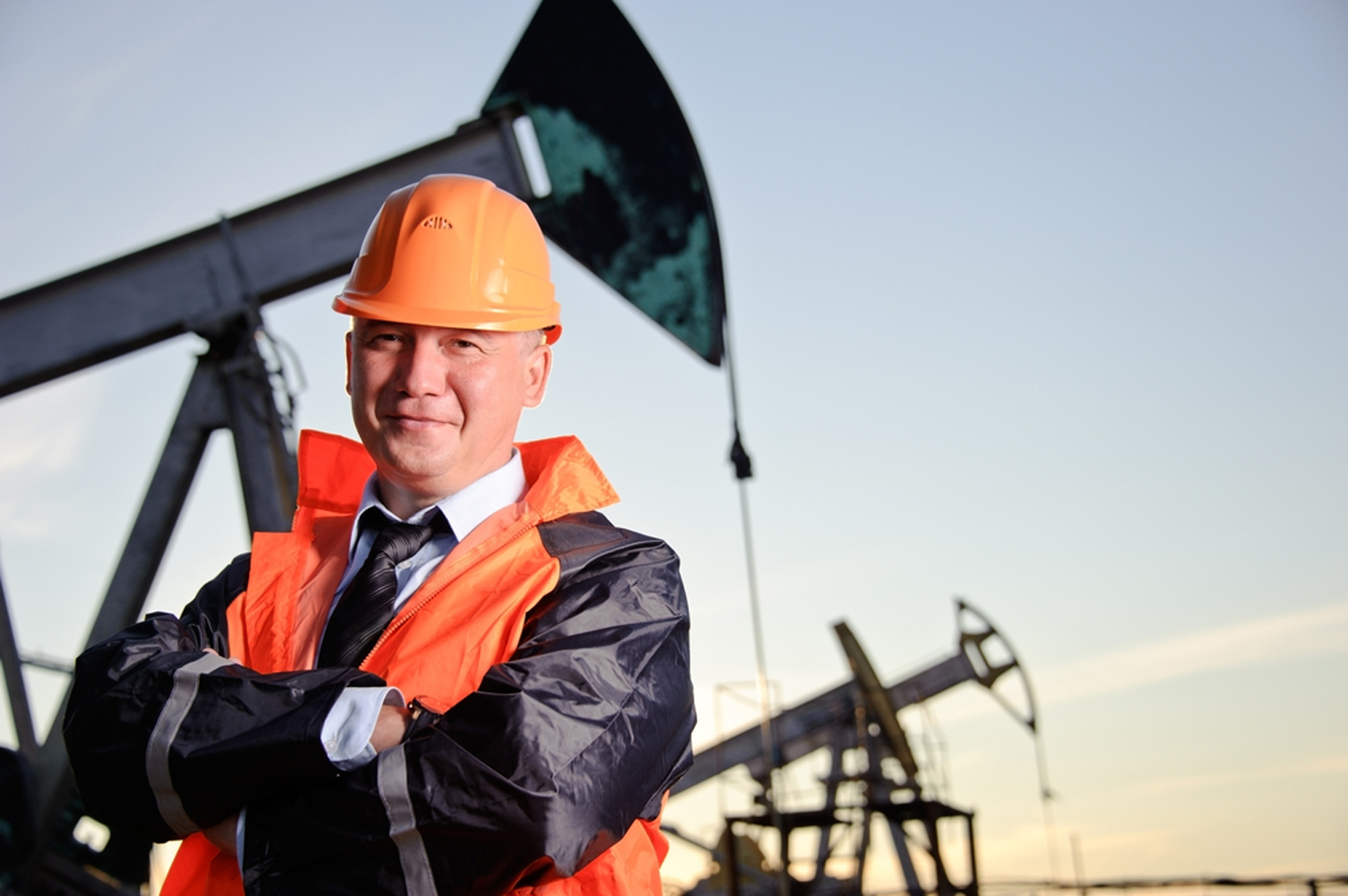

The oil boom has transformed remote regions into booming economic engines, but behind towering rigs and fat paychecks lies a hidden crisis: a drug epidemic fueled by stress, isolation, and unchecked energy growth.
A Boom That Brought More Than Prosperity
As oil fields in West Texas, North Dakota, and the Permian Basin surged with production, vast numbers of workers poured in expecting financial opportunity. Yet this influx also sparked a dramatic rise in drug demand. In the Permian Basin, drug-test positivity rates among workers have reached roughly 18%—nearly twice the national average—and methamphetamine stands out as the most common illicit substance detected CNN+6AP News+6The Washington Post+6Zehl & Associates+1Chron+1.
From Long Hours to Methamphetamine Dependence
Workers frequently endure 36-hour shifts hauling sand, water, and equipment across rugged terrain. To stay awake and perform under extreme pressure, many turn to meth or cocaine. As one driver recounted, “He would often drive 36 hours straight … fueled by cocaine … eventually turning to oxycodone,” illustrating the dangerous progression from stimulants to opioids Chron.
Many areas of Western energy development report that meth has become the drug of choice, producing euphoria and energy to meet relentless work demands—but also leading to addiction, psychosis, and health crises throughout entire communities University of Colorado Boulder.
Crisis on the Reservation: The Tribal Impact
In North Dakota’s Bakken region, oil wealth failed to protect local Indigenous communities from devastation. Meth and heroin flooded the Fort Berthold Reservation, tripling crime rates and making roughly 90% of criminal cases drug-related. Tribal courts and overwhelmed services have struggled to respond to a tidal wave of addiction-related cases CNN Money+5The Washington Post+5Wikipedia+5.
Violent victimization of Indigenous women surged by over 50%, as oil-driven population shifts compounded long-standing vulnerabilities in the region Wikipedia.
A Public Health Emergency in Boomtowns
Boomtowns like Williston and Midland once offered hope, but quickly became scenes of social breakdown. Prescription drug thefts increased, DUI incidents rose at all hours, and emergency services strained under elevated crime rates. In Williston, yearly 9‑1‑1 calls skyrocketed—sometimes 1,000 calls in a single month—while burglaries, drug trafficking, and violent assaults became commonplace CNN Money.
In the Permian Basin, treatment centers like Palmer Drug Abuse Program saw caseloads double in just one year, with one in five patients under 18 Chron+2AP News+2Zehl & Associates+2.
Breaking the Cycle—A Path Forward
Tackling this drug epidemic requires more than drug testing. Employers must foster a supportive work culture that addresses mental health, offers confidential counseling, and provides addiction recovery services on-site. One advocate emphasized the need for open-door policies: “Addicts need to be able to go in and say ‘I’m drinking a lot … I need help’” Zehl & Associates.
Communities and tribal governments must invest in healthcare infrastructure, addiction rehab services, and education aimed at prevention. The legacy of boomtown addiction shouldn’t be tolerated as collateral damage of industrial success.